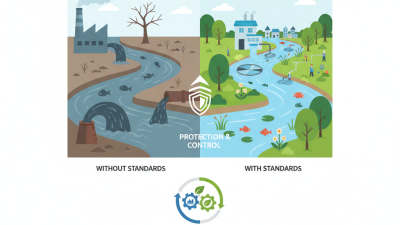
How to Understand Discharge Standards for Global Procurement?
Understanding discharge standards is crucial for global procurement. Compliance with these standards ensures that products meet safety and environmental regulations. This is vital for businesses aiming to operate sustainably across different markets.
Discharge standards dictate how waste materials are managed during product manufacturing and disposal. They vary significantly from one country to another. Organizations must navigate these complexities carefully. Failing to comply can lead to legal issues and damage a company’s reputation.
Companies may struggle with interpreting the specifics of discharge standards. This can result in costly mistakes. Engaging with experts in environmental regulations can provide clarity. Understanding these standards fosters trust with stakeholders. It ultimately enhances corporate responsibility and profitability.
Understanding the Importance of Discharge Standards in Procurement
Discharge standards play a crucial role in global procurement processes. They establish the quality and specifications for goods and services. Understanding these standards helps organizations avoid costly errors and ensure compliance. It is essential for businesses to grasp the nuances of discharge standards to maintain a competitive edge.
In procurement, discharge standards dictate the acceptable limits for materials and services. These regulations can vary significantly across regions. Companies must stay informed about these differences. A lack of knowledge can lead to delays, financial losses, and damaged reputations. Additionally, it is vital to consider the ethical implications of these standards. Companies should reflect on their supplier practices and ensure sustainability.
Many organizations struggle with implementing discharge standards effectively. They might overlook critical elements, leading to misunderstandings. Regular training and updates on these standards can improve awareness. Fostering a culture of compliance can mitigate risks in procurement activities. Engaging stakeholders in discussions about discharge standards can enhance accountability and drive better outcomes.
Key Components of Discharge Standards in Global Supply Chains
Understanding discharge standards is crucial in global supply chains. These standards help ensure that goods comply with environmental and safety regulations. Companies must navigate complex criteria, including temperature limits, chemical restrictions, and waste management practices. Adhering to these standards minimizes the risk of penalties and enhances supply chain integrity.
A key component of discharge standards is the treatment of wastewater. Organizations need to assess how discharging water affects local ecosystems. This evaluation includes sampling techniques and toxicity tests. Communication with local stakeholders is essential. Transparency builds trust, but not all businesses approach this effectively. Improvement in monitoring and reporting could enhance compliance.
Another critical aspect is the classification of materials. Discharge standards may vary based on material types. Industries often struggle with accurately categorizing their products, leading to potential violations. Understanding the classifications can reduce confusion and foster responsibility. It is vital to regularly review and adapt practices as regulations evolve. Scrutinizing existing processes reveals gaps and areas for improvement, promoting a more sustainable future for global procurement.
Regulatory Bodies and Their Role in Discharge Standard Compliance
Understanding discharge standards is crucial for global procurement. Regulatory bodies play a central role in ensuring compliance with these standards. They set the baseline requirements that must be met by organizations around the world. These requirements often vary by region, making it essential to recognize local regulations.
Regulatory bodies conduct audits and implement penalties for non-compliance. They provide guidance documents, which can be dense and complex, complicating understanding for many. Their expertise helps businesses navigate the intricate landscape of discharge standards. Sometimes, their guidelines might conflict with industry practices, leading companies to question the best path forward.
Stakeholders often share their frustrations with changing regulations. The ever-evolving standards challenge suppliers and manufacturers alike. Misinterpretation can occur, leading to costly delays. Companies must invest time in training and consultation to foster a culture of compliance. Reflecting on these challenges can improve understanding, ensuring that all parties are aligned and aware of their responsibilities.
Best Practices for Implementing Discharge Standards in Procurement
Implementing discharge standards in procurement requires careful planning and adherence to best practices. According to the Global Supply Chain Council, about 70% of procurement professionals struggle with compliance due to varying regulations. Understanding these standards is essential for sustainability and risk management. Proper training sessions can bridge the knowledge gap and ensure that all stakeholders are on the same page.
A critical aspect is data transparency. Organizations must track discharge metrics effectively. This includes real-time reporting of pollutants and waste management practices. Research from the World Economic Forum indicates that companies with robust tracking systems enjoy a 33% reduction in environmental impact. However, many companies often overlook the importance of third-party audits. These can reveal inefficiencies and guide improvements.
Collaboration is also vital. Engaging with suppliers to understand their discharge practices fosters better relationships. A recent study showed that up to 40% of supply chain emissions originate from suppliers. Regular workshops can help align goals and address challenges. However, the reality is that not all organizations prioritize these approaches. Regular reflection on practices is crucial to enhance performance over time.
Understanding Discharge Standards in Global Procurement
Common Challenges and Solutions in Meeting Discharge Standards
Navigating discharge standards in global procurement presents several challenges. A 2022 report from the Global Environmental Agency highlighted that 70% of companies struggle to meet these standards. This often stems from a lack of understanding of local regulations and inadequate training for staff. For instance, many procurement teams are not fully aware of specific discharge limits for different materials.
Another common hurdle is the inconsistency in documentation. In a recent industry survey, 65% of firms reported issues with accurate reporting of waste disposal practices. This inconsistency can lead to penalties and damage to reputation. Ensuring that teams are trained properly can mitigate these risks. Additionally, investing in compliance management software can offer reliable tracking and reporting systems.
Moreover, external factors can complicate compliance. For example, fluctuating regulations may require rapid adjustments in procurement strategies. This can cause confusion and delays. Companies need adaptable processes to stay ahead. Regular audits and stakeholder engagements can foster improvement. Building a culture of accountability can also enhance adherence to discharge standards.
How to Understand Discharge Standards for Global Procurement? - Common Challenges and Solutions in Meeting Discharge Standards
| Dimension |
Common Challenges |
Proposed Solutions |
| Understanding Regulations |
Difficulty in interpreting complex regulations |
Engage experts for guidance and clarity |
| Monitoring Practices |
Inconsistent monitoring of discharge levels |
Implement automated monitoring systems |
| Technology Integration |
Challenges in integrating new technologies |
Provide training and support for seamless adoption |
| Compliance Audits |
Underestimating the complexity of compliance audits |
Conduct regular internal audits to prepare |
| Stakeholder Engagement |
Difficulty in aligning stakeholders on standards |
Facilitate clear communication and collaboration |