Top 5 Discharge Standards You Need to Know for Global Trade?
In the realm of global trade, understanding discharge standards is essential for compliance and efficiency. Discharge standards define the acceptable limits for waste output, ensuring environmental protection. Companies must familiarize themselves with these regulations to avoid legal issues.
As trade expands internationally, varying standards arise. Each country may impose different discharge standards based on environmental priorities. This inconsistency can pose challenges for exporters and importers alike. Companies need to adapt to these regulations and make crucial adjustments to operations.
Navigating discharge standards is a continuous journey. Some businesses struggle to keep up with ever-evolving regulations. Ignoring compliance can lead to substantial fines and reputational damage. Thus, staying informed about the top discharge standards is vital for successful global trade.
Top Five Discharge Standards Impacting Global Trade Operations
Understanding discharge standards is essential for businesses engaged in global trade. These regulations impact shipping, customs clearance, and overall market access. Compliance can seem daunting. However, knowing the top standards can streamline operations and reduce risks.
One key standard relates to waste management in shipping. Regulations often require specific disposal methods for hazardous materials. Failure to comply leads to fines and delays. Many companies struggle with this, as procedures can vary widely across regions. Another important aspect is water discharge regulations. These rules govern how ships manage ballast water. They aim to prevent the spread of invasive species.
Moreover, air discharge standards are increasingly stringent. They dictate emissions levels for ships and vehicles. Companies must adapt their practices, often investing in greener technologies. This adaptation requires time and resources, which can be a challenge. Understanding these standards is key to avoiding unexpected disruptions in trade. They shape the logistics landscape in profound ways.
Understanding the Importance of Discharge Standards in the Supply Chain
Understanding discharge standards is crucial in today's global trade landscape. These standards ensure that products are safe and meet regulatory requirements. They help businesses maintain compliance and protect the environment. Ignoring these standards can result in penalties and damage to reputation.
Discharge standards vary by country and product type. It's essential to stay informed and adaptable. Businesses should invest time in understanding local regulations. Simple practices like regular audits and training sessions can minimize risks.
Consider incorporating technology. Automated tools can track compliance and manage documentation efficiently. This approach reduces human error and fosters transparency. Businesses need to prioritize knowledge sharing among teams. Continuous learning is vital, as global trade is ever-evolving.
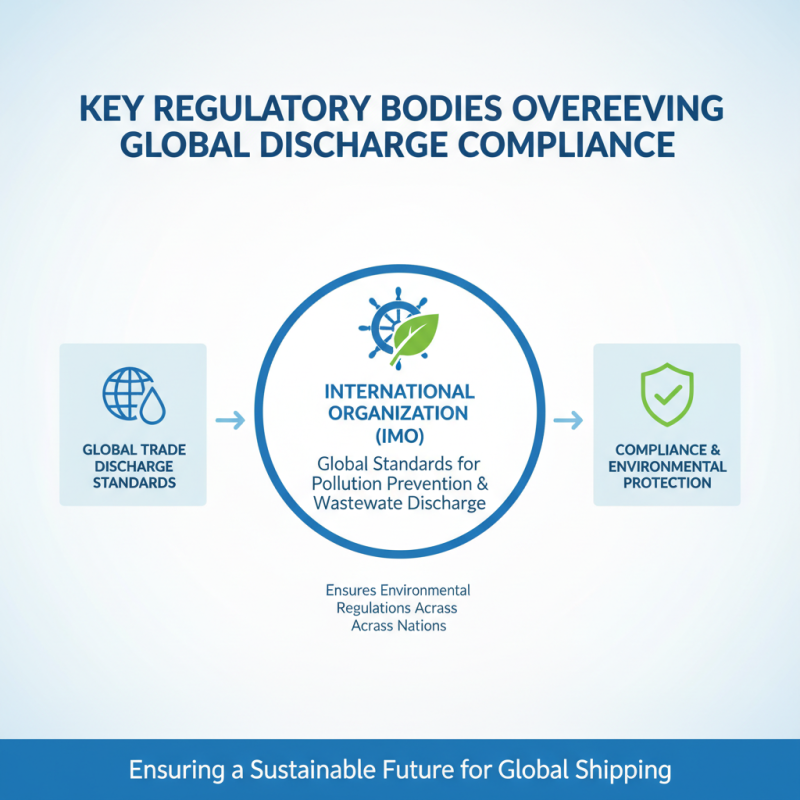
Key Regulatory Bodies Overseeing Global Discharge Compliance
When discussing discharge standards for global trade, several regulatory bodies play pivotal roles. These groups ensure that environmental regulations are met, particularly regarding wastewater discharge. The International Maritime Organization (IMO) sets globally recognized standards, focusing on pollution prevention. Their guidelines are essential for maintaining compliance across nations.
In addition, the U.S. Environmental Protection Agency (EPA) regulates discharges under the Clean Water Act. Recently, they reported that 70% of marine pollution originates from land-based sources. This statistic underscores the significance of adhering to EPA standards. However, challenges remain; compliance is often inconsistent among countries. Many emerging markets struggle to meet these requirements due to limited resources.
The European Union (EU) imposes strict regulations via the Water Framework Directive (WFD). This directive aims to achieve good ecological status for all water bodies by 2027. While this initiative is ambitious, reports show that significant gaps exist in monitoring and reporting among member states. These shortcomings highlight the need for continuous improvement in compliance mechanisms. Engaging with such regulatory bodies is vital for businesses aiming for sustainable operations in a complex global trade environment.
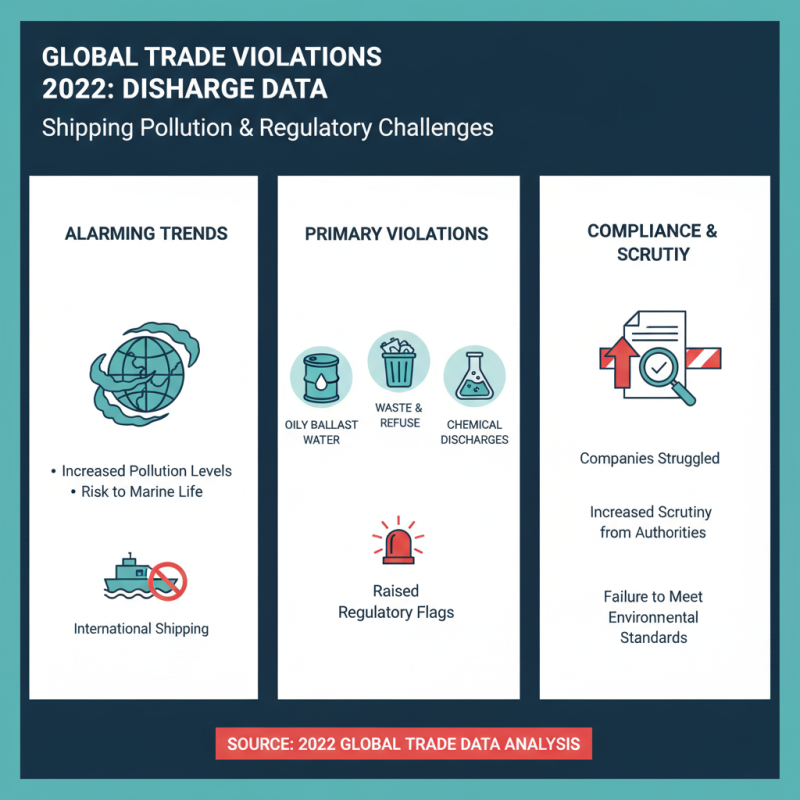
Analyzing the 2022 Data on Global Trade Violations Related to Discharges
In 2022, global trade faced significant challenges related to discharge violations. Data revealed alarming trends in pollution levels associated with international shipping. Discharges such as oily ballast water, waste, and chemicals posed risks to marine life and raised regulatory flags. Many companies struggled to comply with existing environmental standards, leading to increased scrutiny from authorities.
Tips: Always research local discharge regulations before shipping. Compliance can save you from hefty fines and legal issues.
The rise in violations highlights a lack of awareness among businesses. While many aim for profits, sustainability must not be an afterthought. Even minor missteps can lead to larger consequences. Increased penalties for non-compliance are becoming common. It’s essential to invest in staff training and environmental management systems.
Tips: Regular audits of discharge practices can reveal potential issues. Systematic reviews promote better understanding and adherence to regulations.
Navigating discharge standards is complex. Inconsistent regulations across regions complicate compliance efforts. Companies must be proactive in addressing these challenges. Investing in technology that monitors discharges can help maintain standards. However, relying solely on technology is risky without a culture of environmental responsibility.
Best Practices for Businesses to Meet Discharge Standards in Trade
In today's global trade environment, understanding discharge standards is essential. Many businesses struggle to comply with these standards due to lack of knowledge or resources. According to the International Maritime Organization, the shipping industry contributes over 2.5% of global greenhouse gas emissions. Addressing discharge standards is vital for reducing this impact. Companies can enhance their compliance by engaging in regular training. Educating employees about environmental regulations helps foster a culture of awareness.
Implementing best practices will increase efficiency. The World Bank found that firms adopting sustainable practices reduce operational costs by up to 20%. This is significant for small and medium enterprises (SMEs) competing in the global market. Regular audits can highlight areas for improvement. Companies that ignore these may face penalties or reputational damage. Standards evolve, making continuous reassessment necessary.
Businesses can use technology to monitor their discharge levels. Real-time data can identify leaks or inefficiencies quickly. However, many companies don’t fully utilize these tools. They risk overlooking compliance issues, which could become costly. Transparency is key in meeting discharge standards. Regular reporting can build trust with stakeholders, showing a commitment to environmental responsibility.