Top Strategies in Solid Waste Treatment Industry in China?
The Solid Waste Treatment Industry in China is undergoing rapid transformation. As cities grow, so do their waste challenges. Experts stress the need for innovative strategies to manage solid waste effectively. Dr. Wang Li, a noted specialist in this field, emphasizes, "Sustainable solutions are pivotal for our urban future." This highlights a critical perspective on sustainability.
Innovations in waste treatment can lead to significant environmental benefits. For instance, advanced recycling techniques and waste-to-energy conversion are gaining traction. These methods not only reduce landfill use but also generate renewable energy. However, challenges remain. Many facilities struggle with outdated infrastructure and rising costs.
Moreover, public awareness and cooperation are essential. Citizens must actively participate in waste segregation and reduction. Education campaigns can foster a culture of sustainability. Overall, the Solid Waste Treatment Industry faces both opportunities and obstacles. Addressing these issues requires collaboration among government, businesses, and the community.
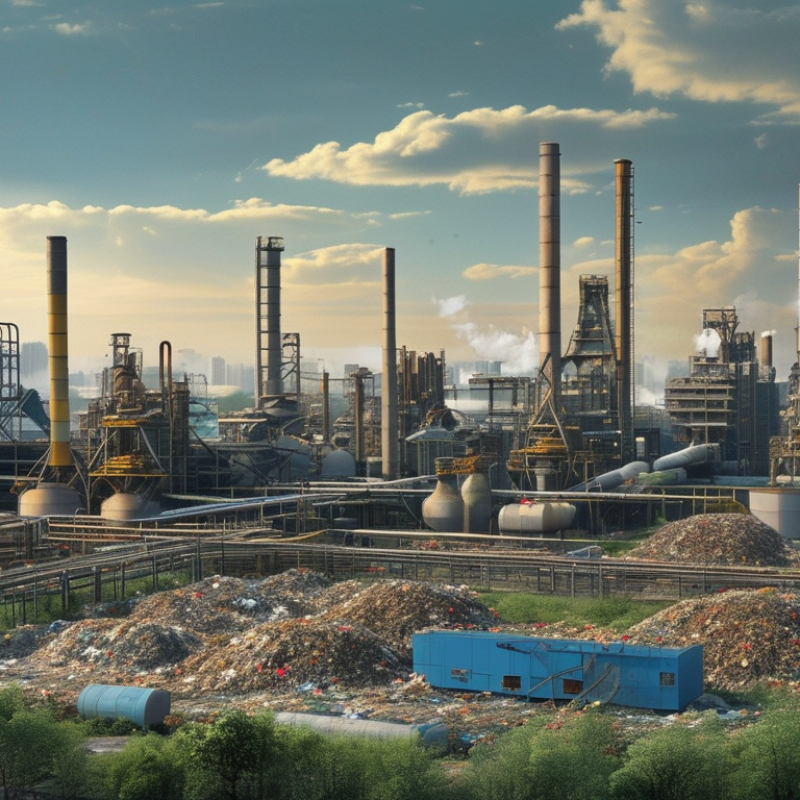
Overview of Solid Waste Treatment Industry in China
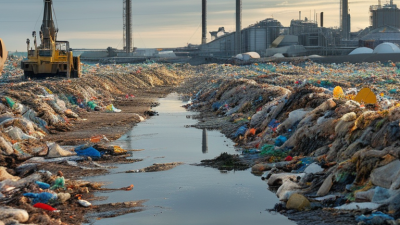
The solid waste treatment industry in China has seen significant growth recently. In 2020, the country produced over 215 million tons of municipal solid waste. Advanced waste management systems are needed to efficiently handle this increasing volume. Recycling rates remain low, around 30%, highlighting a pressing need for improvement.
China is transitioning toward waste-to-energy technologies. In 2021, approximately 70 million tons of waste were diverted to energy recovery. Despite progress, many facilities still lack modern treatment capabilities. This results in inefficiencies and environmental risks.
New regulatory frameworks are emerging. The latest policies aim to enhance waste segregation at the source and promote recycling initiatives. Challenges remain, such as public awareness and engagement in waste separation. Addressing these gaps is crucial for fostering a sustainable waste treatment ecosystem in China.
Top Strategies in Solid Waste Treatment Industry in China
Key Regulations and Policies Impacting Waste Management Practices
China's solid waste treatment industry faces significant challenges. Key regulations and policies play a crucial role in shaping waste management practices. The Circular Economy Promotion Law encourages recycling and waste reduction. Local governments implement stricter waste sorting regulations. These factors push industries to adopt more sustainable practices.
One notable regulation is the waste sorting mandate in urban areas. It places responsibilities on residents and businesses alike. Compliance can be difficult, often resulting in confusion and frustration. Resources for education and training are often limited. This lack of support can hinder effective waste sorting and recycling efforts.
Moreover, the enforcement of penalties for non-compliance varies by region. Some areas are strict, while others show leniency. This inconsistency leads to mixed results in waste management outcomes. The disparity highlights the need for better regulatory frameworks. Clearer communication and unified standards are essential for a cohesive approach to waste management. Without these, achieving sustainability goals remains a challenge.
Innovative Technologies in Solid Waste Treatment Solutions
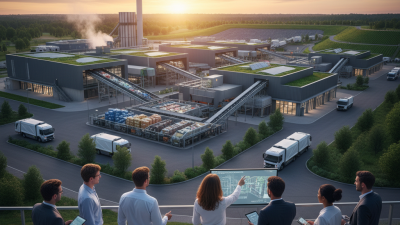
China is rapidly advancing in the solid waste treatment sector, driven by innovative technologies. The country generates over 200 million tons of urban waste annually. This figure underscores the necessity for efficient waste management solutions.
A significant trend is the shift towards mechanized sorting systems. These systems improve separation efficiency, which is vital for maximizing recycling.
Energy recovery technologies are also gaining traction. According to a 2022 report by the Chinese Environment Ministry, over 50% of urban waste is now processed through waste-to-energy plants. This approach not only reduces landfill use but also generates electricity. Yet, this method comes with challenges. High initial costs and emissions concerns require careful management and refinement.
The integration of AI and IoT in waste management is noteworthy. Smart bins, which monitor waste levels, promote timely collection. Yet, successful implementation depends on public participation and education. The gap in tech adoption between urban and rural areas remains a hurdle to overcome. The industry must address these discrepancies to ensure equitable waste management solutions across the country.
Public Awareness and Community Involvement in Waste Management
Public awareness and community involvement play crucial roles in effective waste management in China. As urban areas expand, waste generation increases significantly. Local communities must understand the impact of waste on the environment. Education programs in schools can help foster eco-friendly behaviors from a young age. When people are aware of the consequences of waste mismanagement, they are more likely to participate in recycling initiatives.
Tips for encouraging community involvement include organizing local clean-up events. These gatherings can boost community spirit while addressing waste issues. Additionally, promoting workshops on upcycling can inspire residents to repurpose items creatively. Engaging social media campaigns can also raise awareness and attract volunteers. A well-informed public makes sustainable changes more achievable.
However, challenges remain. Many residents still lack proper information on waste segregation. Misunderstandings about recycling can hinder efforts. Community leaders must address these gaps by providing clear, accessible information. Simple guides can help citizens navigate waste disposal more effectively. Encouraging participation is essential; without it, initiatives may fail to see significant results.
Future Trends and Challenges in China's Waste Treatment Sector
China's waste treatment sector is at a critical juncture. As urbanization accelerates, the volume of solid waste is projected to exceed 500 million tons annually by 2030. The existing infrastructure struggles to keep pace. A report from the Ministry of Ecology and Environment noted that only 35% of waste was effectively recycled in 2022. This highlights a significant gap in efficiency.
Future trends focus on adopting advanced technologies, such as AI and IoT, to enhance waste management. Many industry players are investing in smart sorting systems to improve recycling rates. However, challenges remain. Public awareness about waste segregation is limited. Many citizens still lack proper recycling habits. A mere 20% of households reportedly separate recyclables from general waste. This low engagement is a barrier to achieving a circular economy.
Enhanced regulations are also on the horizon, with stricter penalties for improper waste disposal. Yet, compliance has been inconsistent. A study indicated that 30% of facilities do not adhere to established standards. Improvement in this area requires greater governmental oversight and community initiatives to educate the public on sustainable practices. Addressing these complexities is essential for progress in China's solid waste treatment industry.
Top Strategies in Solid Waste Treatment Industry in China
| Strategy |
Implementation Stage |
Effectiveness (%) |
Challenges |
| Recycling Initiatives |
Ongoing |
75% |
Public Awareness |
| Waste-to-Energy Technologies |
Pilot Projects |
68% |
High Costs |
| Composting Programs |
Established |
80% |
Space Limitations |
| Landfill Diversion Strategies |
Ongoing |
85% |
Regulatory Compliance |
| Smart Waste Management Systems |
Research Stage |
50% |
Technology Integration |