


Leave Your Message

2026 Best Anaerobic Digestion Suppliers for Global Buyers

Choosing an anaerobic digestion supplier in 2026 is not just a matter of comparing equipment prices. Buyers need systems that fit their feedstock, site conditions, operating skills, and local service options. A plant handling food scraps may need different mixing and pretreatment equipment from one processing manure or wastewater sludge. Small details matter. A blocked pipe can interrupt an otherwise well-designed operation.

This guide introduces suppliers serving international buyers and the capabilities worth examining. It considers digester design, gas handling, automation, commissioning, spare-parts access, and support after installation. These factors can shape reliability as much as the reactor itself. Ask for references from facilities using similar feedstock, and check what those plants produce through different seasons. A polished brochure is useful, but it cannot show how quickly a technician responds when a pump fails.

Supplier claims should be checked against project records, documented performance data, and clear service terms. Compare quoted outputs carefully: feedstock quality, temperature, and operating practice can all affect results. Even experienced buyers may overlook training needs or underestimate commissioning time. That is worth admitting. No supplier can remove every operational risk, and a familiar brand is not automatically the right fit for every site. The strongest shortlist balances technical evidence with practical support, transparent assumptions, and a realistic view of what the project team can maintain. This overview offers a starting point, not a substitute for site-specific engineering review.
2026 Best Anaerobic Digestion Suppliers for Global Buyers

Anaerobic Digestion: Process, Feedstocks, and Core Applications

Anaerobic Digestion: Process, Feedstocks, and Core Applications

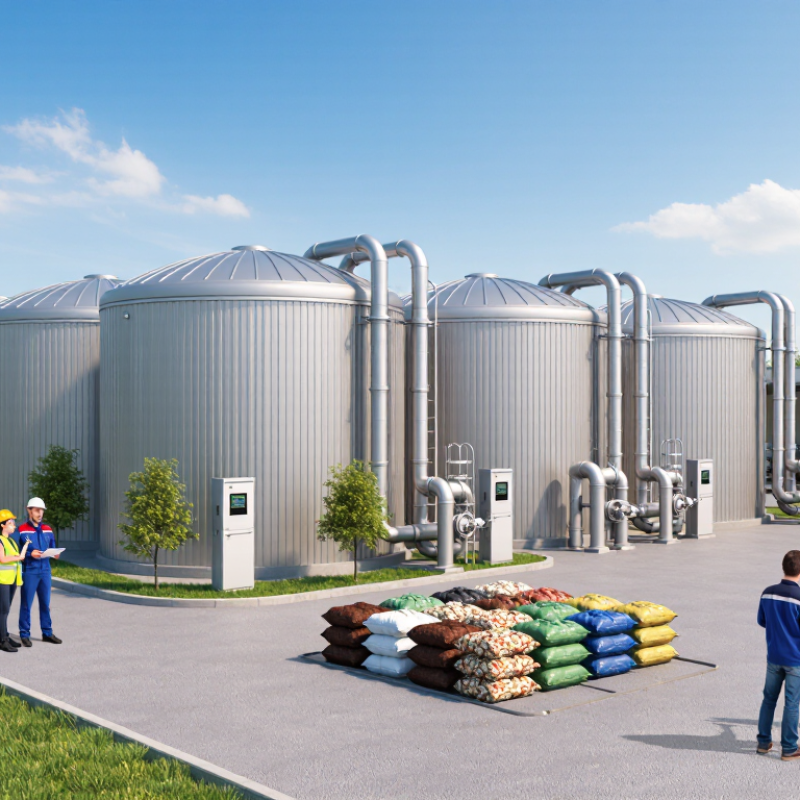
Anaerobic digestion converts organic materials into biogas without oxygen. Microorganisms break down feedstocks inside a sealed, temperature-controlled digester. The process usually includes hydrolysis, acid formation, acetogenesis, and methane production. Small changes matter. Temperature swings can reduce gas output and disturb microbial balance. Operators monitor pH, organic loading, retention time, and methane concentration. Hydrogen sulfide also requires careful control because it can corrode equipment and lower gas quality.

Suitable feedstocks include animal manure, food-processing residues, municipal organic waste, and wastewater sludge. Their moisture, carbon-to-nitrogen ratio, and contamination levels affect performance. Greasy materials may increase gas production, but excessive fats can cause instability. Fibrous waste may need grinding or pre-treatment. Plastic fragments, stones, and cleaning chemicals create avoidable problems. Feedstock testing should happen before equipment selection, not after installation. This is where many project assumptions prove too optimistic.

Biogas can support combined heat and power systems, upgraded renewable gas, or controlled industrial heating. Digestate may serve as a soil amendment when it meets local quality requirements. Global buyers should examine laboratory data, operating records, safety systems, and after-sales maintenance capacity. A reliable supplier should explain expected yields using site-specific inputs. Generic performance numbers are not enough. Real facilities rarely operate perfectly, and seasonal feedstock changes can expose weak designs. Careful commissioning, staff training, and regular sampling remain essential.

Key Equipment and Technologies Used in Digestion Systems

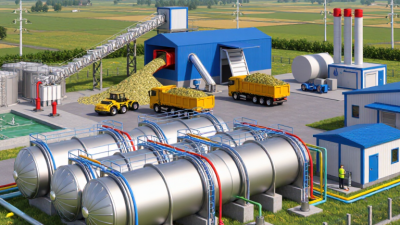
Anaerobic digestion systems depend on more than a sealed tank. Feedstock preparation equipment removes grit and reduces particle size, helping create a more consistent slurry. Pumps move the material, while slow-speed mixers limit settling and floating crusts. Mixing needs vary with solids content; too much can waste power without improving performance.

Heating systems maintain a stable operating range, often using recovered process heat. Gas-handling equipment typically includes moisture removal, pressure control, safety valves, and treatment for hydrogen sulfide. A gas meter helps operators compare production with feed changes. Downstream, a separator can divide digestate into liquid and solid fractions. The right arrangement depends on feedstock, scale, and the intended use of the outputs. A neat process diagram can hide messy realities, such as fibrous material wrapping around pumps.

Tips: Check access for cleaning and maintenance before choosing equipment. Track temperature, gas flow, and mixing energy together. Small trends matter. Allow room for feedstock variation; early estimates are rarely perfect.

Controls and sensors connect these components, but automation cannot replace sound sampling. Operators should verify sensor readings and keep records of feed quality, temperature, and equipment downtime. Commissioning tests can reveal dead zones or uneven heating that drawings miss. Some adjustments take time, and not every first setting will work. A measured trial is more useful than assuming the design performs exactly as planned.

How to Evaluate Anaerobic Digestion Suppliers for Global Projects

For global projects, evaluating an anaerobic digestion supplier requires more than comparing equipment prices. The right partner should understand your feedstock, climate, grid conditions, labor market, and permitting route. Ask for measured results from similar plants, not only projected methane yields. Request operating data covering biogas output, methane percentage, uptime, odor control, and digestate quality. Site conditions matter.

A serious technical review should test the supplier’s assumptions. Check whether the proposed digester matches daily tonnage, solids content, temperature, and seasonal variation. Review hydraulic retention time, organic loading rate, mixing design, heating demand, and gas cleaning limits. Ask how the system handles plastic contamination, foaming, grit, and sudden feedstock changes. Small details often decide whether a plant performs steadily. Require clear drawings, commissioning procedures, performance tests, and data access for independent verification.

Commercial terms deserve the same attention as engineering. Compare warranty boundaries, spare-part availability, training, remote support, and local response times. A low purchase price may hide expensive civil works or difficult maintenance. Speak with operating customers, and inspect one facility if possible. Ask for references. I would not accept guaranteed performance without defined sampling methods and correction rules. That point is easy to overlook. Suppliers can also miss practical realities, including weak roads, unreliable power, or limited operator experience. A transparent supplier admits these risks and adjusts the design before construction. No proposal is perfect.

2026 Best Anaerobic Digestion Suppliers for Global Buyers

Typical methane yield by feedstock for evaluating technology fit in global anaerobic digestion projects

Methane yield is a practical benchmark when comparing anaerobic digestion suppliers. Food waste and energy crops generally provide higher methane potential than manure and sewage sludge, while actual performance depends on solids content, pretreatment, retention time, temperature, and feedstock composition. Values shown are representative midpoints of commonly reported biochemical methane potential ranges in anaerobic digestion engineering literature, including IEA Bioenergy Task 37 references.

Leading Supplier Types and Their Strengths in 2026

In 2026, global buyers will find several anaerobic digestion supplier types, each suited to different project risks. EPC integrators offer complete design, construction, commissioning, and performance testing. Their strength is accountability through one contract. However, their packages may reduce flexibility for unusual feedstocks.

Specialist digester manufacturers focus on tanks, mixing systems, heating, and biological stability. They suit farms, food processors, and municipal plants with predictable organic waste. Gas upgrading suppliers add membrane, pressure-swing, or water-scrubbing systems for biomethane production.

The International Energy Agency estimates sustainable biogas could meet nearly 20% of current global gas demand. That figure shows the market’s potential, but not every project can reach it. Feedstock quality matters more than sales forecasts.

Equipment suppliers for pumps, dewatering, monitoring, and hydrogen sulfide control support modular procurement. Local engineering and operations providers bring permitting knowledge, operator training, and faster maintenance response.

The European Biogas Association’s Statistical Report 2024 records more than 20,000 biogas plants across Europe, showing the value of established operating experience. Still, capacity numbers can hide weak uptime.

Buyers should request verified methane yields, annual availability, digestate test results, and three-year service records. Data matters.

A practical weakness remains: many supplier comparisons emphasize installed capacity, while fewer disclose failed start-ups, seasonal feedstock changes, or actual maintenance costs.

Global Sourcing, Compliance, and Project Delivery Considerations

2026 Best Anaerobic Digestion Suppliers for Global Buyers

Global buyers should evaluate anaerobic digestion suppliers beyond reactor price. Feedstock quality, local permits, and commissioning support often decide project performance. The IEA’s Outlook for Biogas and Biomethane estimates that sustainable biogas could meet around 20% of current global gas demand. That potential depends on reliable collection systems, stable organic inputs, and controlled plant operations.

Supplier due diligence should include audited references, process guarantees, spare-parts planning, and documented safety procedures. Check whether the supplier understands local rules for waste handling, emissions, digestate, pressure equipment, and grid connection. UNEP’s Global Methane Assessment estimates that human-caused methane emissions could fall 45% by 2030 using available measures. Therefore, buyers should request gas-tight equipment, leak detection, and measured methane performance. A perfect tender rarely exists. Project assumptions must be challenged.

Tips: Request a mass-balance model using your actual feedstock data. Require factory acceptance testing before shipment and site acceptance testing after commissioning. Clarify Incoterms, customs documents, training hours, warranty limits, and response times. Use staged payments linked to verified milestones. Local engineering partners can reduce permit delays, but their responsibilities should be written clearly. Delivery schedules often look attractive on paper. Seasonal feedstock changes, port congestion, and civil works can still disrupt them. A short pilot test may reveal problems that a polished proposal hides.