


Choosing an Anaerobic Digestion system is not simply a technology comparison. It is a site-specific engineering decision involving feedstock, temperature, retention time, gas use, and digestate management.
The IEA’s Outlook for Biogas and Biomethane reports that sustainable biomethane could meet nearly 20% of today’s global natural gas demand. That potential is significant, but it does not make every project practical. Feedstock quality changes daily. A food-waste plant may face contamination, while a farm digester may struggle with seasonal manure volumes. These differences affect mixing, pretreatment, loading rates, and process stability.
Start with measurable conditions. Record daily feedstock tonnage, total solids, volatile solids, moisture, contaminants, and expected methane yield. Then compare wet, dry, plug-flow, continuously stirred tank, or covered-lagoon systems against those results. The U.S. EPA AgSTAR program emphasizes reliable feedstock supply, gas utilization, digestate handling, and operator capability during project planning. These factors often matter more than impressive equipment brochures.
Safety and compliance must remain central. Methane is flammable, hydrogen sulfide is toxic, and pressure systems require disciplined monitoring. The Global Methane Assessment from UNEP and the Climate and Clean Air Coalition identifies methane reduction as a major near-term climate opportunity. Yet climate benefits depend on controlling leaks and using the biogas effectively.
A perfect choice is unlikely. No spreadsheet predicts every foaming event. Experienced operators therefore design monitoring, maintenance, backup heating, and emergency-response procedures from the beginning. A smaller system with dependable operation may outperform a larger system that lacks stable feedstock or skilled management. The best decision balances biological performance, capital cost, local regulations, and long-term operational evidence.
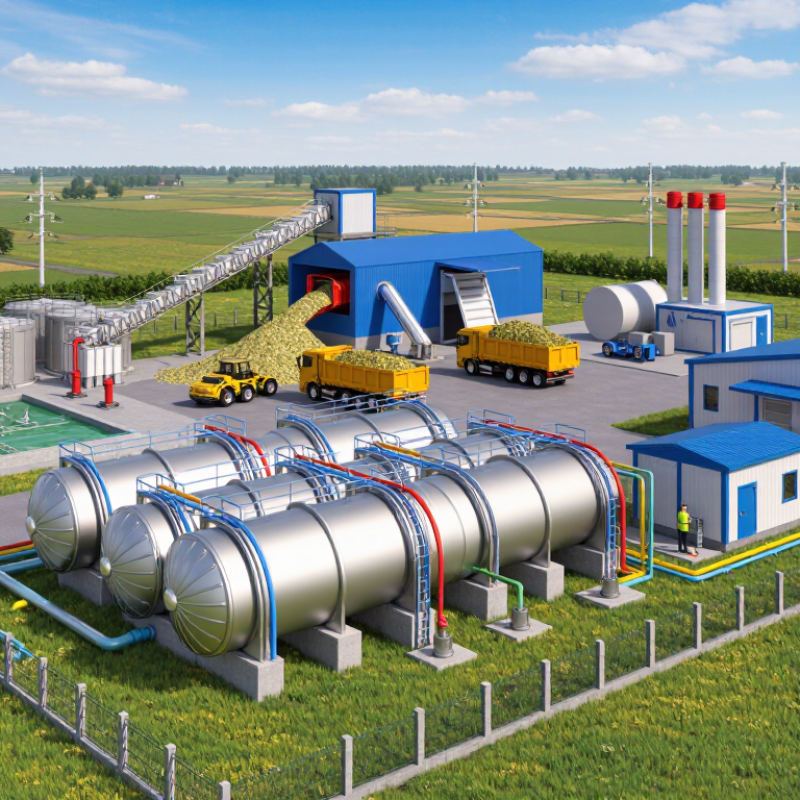
Choosing an anaerobic digestion system starts with the material entering it. Manure, food waste, and crop residues behave differently inside a digester. Measure total solids, volatile solids, moisture, particle size, and organic loading potential. Record seasonal changes as well. A winter feedstock may be thicker and colder than a summer sample. Laboratory biochemical methane potential testing can estimate gas production, but it is not a promise. Samples must represent daily conditions, not only the cleanest batch. This is where early designs often become too optimistic.
Define the digestion goal before comparing equipment. The target may be waste stabilization, heat production, electricity generation, or renewable gas upgrading. Each goal affects mixing, heating, gas treatment, storage, and retention time. If stable operation matters most, a slightly lower gas yield may be acceptable. Operators should also examine pH, alkalinity, ammonia, sulfur, and contamination risks. Small changes can create large process problems. I would not rely on a single test result.
Tips: Build a weekly feedstock log. Note volume, temperature, solids, visible contaminants, and unusual odors. Test blended materials before committing to a full-scale design. Keep a backup plan for low-supply periods, because real farms and facilities rarely operate perfectly. Review the data with a qualified process engineer and experienced operators.
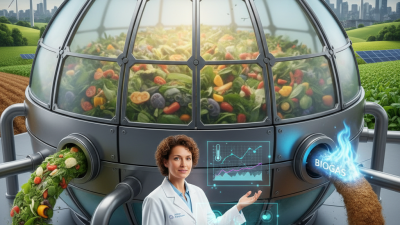
Choosing an anaerobic digestion system starts with the feedstock, not the equipment catalogue. A farm using watery manure needs different handling than a food plant receiving dense slurries. Measure solids, temperature, acidity, grit, and seasonal volume for several weeks. Small errors here can distort the entire design. Wet systems usually tolerate pumpable materials and support continuous mixing. Dry or high-solids systems use less dilution, but loading and unloading demand stronger planning.
Mesophilic digestion, commonly near 35°C, is forgiving and easier to control. Thermophilic operation, near 55°C, can reduce retention time and improve pathogen reduction. It also consumes more heat and reacts faster to process mistakes. Choose carefully. Hydraulic retention time depends on biodegradability, solids concentration, and target gas yield. A rushed design may leave volatile acids in the tank, causing unstable methane production. Monitor pH, alkalinity, gas composition, temperature, and organic loading rate. Numbers reveal trouble before foam reaches the roof.
Plug-flow digesters suit thick, fiber-rich feedstocks with limited free water. Continuously stirred tanks handle more fluid mixtures and allow closer process adjustment. Two-stage systems separate acid formation from methane production, improving control but adding capital and maintenance. In practice, operator skill matters as much as reactor theory. I would not assume laboratory results predict full-scale performance; mixing, contamination, and winter heat losses often intervene. Leave room for maintenance, changing feedstock, and uncomfortable surprises.
Assess the site before comparing equipment. A field survey should record soil strength, groundwater levels, drainage, flood risk, and available space. Poor ground conditions can increase foundation costs and construction delays. Access matters too. Delivery trucks need safe turning areas, while maintenance crews need clear routes around tanks and pumps. Measure distances to feedstock sources, electricity connections, heat users, and digestate storage areas.
Infrastructure often determines system performance. Check whether the site has reliable water, power, lighting, and communications. A stable electricity supply supports mixers, controls, and safety monitoring. Consider backup power for critical equipment. Feedstock testing should cover moisture, solids, contamination, acidity, and expected gas yield. These results guide tank volume and loading rates. Guessing can create expensive operating problems.
Environmental requirements deserve equal attention. Review local permits, odor controls, noise limits, fire protection, and discharge rules with qualified professionals. Plan sealed storage for digestate and stormwater separation from process liquids. Gas monitoring, pressure relief, and emergency procedures require documented inspections. Experienced engineers can model emissions and nutrient flows before construction begins. Still, predictions are not perfect. Seasonal feedstock changes may reduce gas output, even after careful testing. Build flexibility into the design, and keep performance records from the first operating month.
Choosing an anaerobic digestion system starts with a cost model, not a glossy equipment list. Capital costs include tanks, pumps, gas cleaning, controls, civil works, and site preparation. Operating costs may include labor, electricity, heating, testing, digestate handling, and replacement parts. Request itemized estimates from qualified suppliers, then compare them with actual local prices. A low purchase price can hide expensive excavation or weak after-sales support. I would also test several feedstock scenarios, because moisture, contamination, and seasonal supply can change throughput. Numbers need context. A useful model shows cash flow by month, not only an attractive annual figure.
Energy recovery deserves equally careful measurement. Estimate biogas production from laboratory tests or verified records from similar feedstocks. Methane content varies, so use conservative assumptions. Account for energy used by mixers, pumps, heating loops, gas treatment, and flare operation. Combined heat and power can work well when a nearby building needs steady heat. Otherwise, excess heat may become wasted investment. Grid export may also require connection studies and metering costs. Independent engineers should review the energy balance before procurement. I have seen projected outputs look impressive until winter heating demand and downtime were included.
Maintenance needs often determine whether performance survives beyond commissioning. Inspect access points, pipework, condensate traps, mixing equipment, sensors, and safety systems. Ask how quickly technicians can respond and which parts must remain on site. Build cleaning and calibration into the operating schedule. Maintenance is never zero. Operators need practical training, clear records, and safe procedures for confined spaces and gas systems. A realistic plan should include unplanned shutdowns, sludge buildup, and changing feedstock quality. Some assumptions will be wrong. Review them after six and twelve months, using measured gas yield, energy use, labor hours, and repair costs.
| System Type | Typical Feedstock | Recommended Total Solids | Typical Hydraulic Retention Time | Indicative Installed Cost | Typical Biogas Yield | Typical Methane Content | Energy-Recovery Potential | Maintenance Requirement | Key Advantages | Main Limitations |
|---|---|---|---|---|---|---|---|---|---|---|
| Covered Lagoon Digester | Liquid dairy manure, swine manure, and other dilute agricultural wastes | Less than 3% total solids | 30–60 days | Approximately US$100–400 per m³ of digester volume | 15–30 m³ of biogas per tonne of volatile solids added | 55–65% | Low to moderate; commonly suitable for basic heating or small-scale electricity generation | Low Periodic cover inspection, sediment removal, gas-line checks, and flare maintenance |
Lowest structural complexity, low operating energy demand, and relatively simple construction | Requires large land area; performance declines in cold weather and with dilute or highly variable feedstock |
| Plug-Flow Digester | Thick dairy manure and screened agricultural slurry | 11–14% total solids | 15–30 days | Approximately US$800–1,800 per m³ of digester volume | 20–40 m³ of biogas per tonne of volatile solids added | 55–65% | Moderate; biogas can support combined heat and power when gas cleaning is provided | Low to Moderate Routine mixing or pumping checks, inlet maintenance, cover inspection, and grit removal |
Works well with fibrous manure, has a relatively simple flow path, and uses less mixing equipment | Less tolerant of grit, plastics, and unsuitable solids concentration; blockages can interrupt flow |
| Complete-Mix Digester | Animal manure, food-processing wastewater, agricultural residues, and blended organic waste | 3–12% total solids | 15–30 days | Approximately US$1,200–2,500 per m³ of digester volume | 25–60 m³ of biogas per tonne of volatile solids added | 55–65% | Moderate to high; commonly configured for CHP, boiler fuel, or cleaned biomethane | Moderate Agitator, pump, heating-system, sensor, gas-treatment, and safety-device maintenance |
Flexible feedstock handling, good process control, and consistent digestion performance | Higher capital and parasitic electricity demand; mechanical equipment requires planned servicing |
| Plug-Flow Food-Waste Digester | Source-separated food waste, crop residues, and other pumpable high-solids organics | 18–35% total solids | 20–40 days | Approximately US$1,500–3,500 per m³ of digester volume | 250–550 m³ of biogas per tonne of volatile solids added | 55–65% | High; CHP, renewable natural gas, or direct thermal use may be viable after gas treatment | Moderate to High Feedstock preprocessing, depackaging, grit removal, pumps, and digestate handling need regular attention |
High gas-production potential and good suitability for concentrated organic wastes | Feedstock contamination can cause abrasion, blockages, foaming, and equipment downtime |
| High-Rate UASB Reactor | Warm, soluble industrial wastewater with low suspended-solids content | Typically less than 3% total solids | 0.2–3 days | Approximately US$1,500–4,000 per m³ of reactor volume | 80–300 m³ of biogas per tonne of chemical oxygen demand removed | 60–75% | Moderate to high; suitable for boiler fuel, CHP, or gas upgrading when flow and loading are stable | Moderate to High Requires close control of loading, pH, temperature, gas separation, and sludge characteristics |
Small footprint, short retention time, and strong performance for soluble wastewater | Not well suited to fibrous or high-solids feedstocks; sensitive to toxic compounds and abrupt load changes |
| Two-Stage Anaerobic Digestion | Food waste, industrial organics, and feedstocks with rapid acidification or variable composition | Typically 8–30% total solids, depending on design | 10–30 days combined | Approximately US$2,000–4,500 per m³ of total reactor volume | 200–600 m³ of biogas per tonne of volatile solids added | 55–70% | High; staged control can improve gas stability and support CHP or biomethane production | High Two reactor systems, additional controls, pumps, sensors, and gas-treatment equipment require coordinated maintenance |
Better control of acid formation, improved process stability, and potential resilience to feedstock variation | Higher capital cost, greater control-system complexity, and more demanding operator training |
| Planning notes: Cost figures are broad indicative ranges in 2024–2025 US dollars for installed digestion equipment and civil works. They exclude land, permitting, financing, feedstock collection, major distribution upgrades, gas upgrading, and unusual site conditions. Biogas yields depend strongly on feedstock composition, volatile-solids destruction, temperature, retention time, contamination, and operating control. One cubic metre of biogas containing 60% methane has approximately 6 kWh of lower-heating-value energy; typical CHP systems convert about 30–40% to electricity and 40–50% to useful heat before site parasitic loads. | ||||||||||
A sound anaerobic digestion choice begins with evidence, not equipment preferences. The International Energy Agency estimates that sustainable biogas and biomethane could meet nearly 20% of today’s global gas demand. That potential does not guarantee project success. Measure feedstock volume, moisture, volatile solids, contamination, and seasonal changes for at least twelve months. A weekly delivery log often reveals more than a supplier’s estimate.
Technical Feasibility Technical feasibility should include laboratory trials and site-specific mass balances. Test expected methane yield, retention time, heating demand, and digestate quality. The Global Methane Assessment reports that human-caused methane emissions could fall by 45% by 2030 using available measures. Capturing gas matters, but accidental leakage can weaken the climate case. Include hydrogen sulfide removal, gas storage, flare capacity, and maintenance access in the design.
Risk Analysis Risk analysis should examine three cases: expected, poor feedstock, and prolonged downtime. Check electricity prices, disposal costs, connection limits, and permit conditions. Sensitivity testing can show whether a 15% feedstock decline destroys project returns. It may. I would not trust a perfect spreadsheet when trucks arrive late or contamination increases. Independent sampling, conservative revenue assumptions, and staged investment improve reliability. The 2023 World Biogas Association report also highlights the importance of digestate management and market development. A system is feasible only when its gas, heat, labor, and digestate pathways remain practical.