What is Water Pollution Control and How Can We Achieve It?
Water pollution control is a pressing issue in today's world. Many water sources suffer from contamination due to industrial waste, plastics, and agricultural runoff. People need clean water for drinking, agriculture, and recreation. Yet, pollution continues to jeopardize these vital resources.
Achieving effective water pollution control requires collective efforts. Communities can implement waste management strategies and promote recycling. Education is key; awareness helps individuals understand their impact. Small changes in daily habits can lead to significant improvements. For instance, reducing single-use plastics can lessen ocean pollution.
However, challenges remain. Some industries resist stricter regulations. Governments may face obstacles in enforcing laws. Public interest can wane, leading to inaction. Real change comes from persistent advocacy and innovation. Water pollution control needs our attention, or we risk losing invaluable resources.
Understanding Water Pollution: Definition and Historical Context
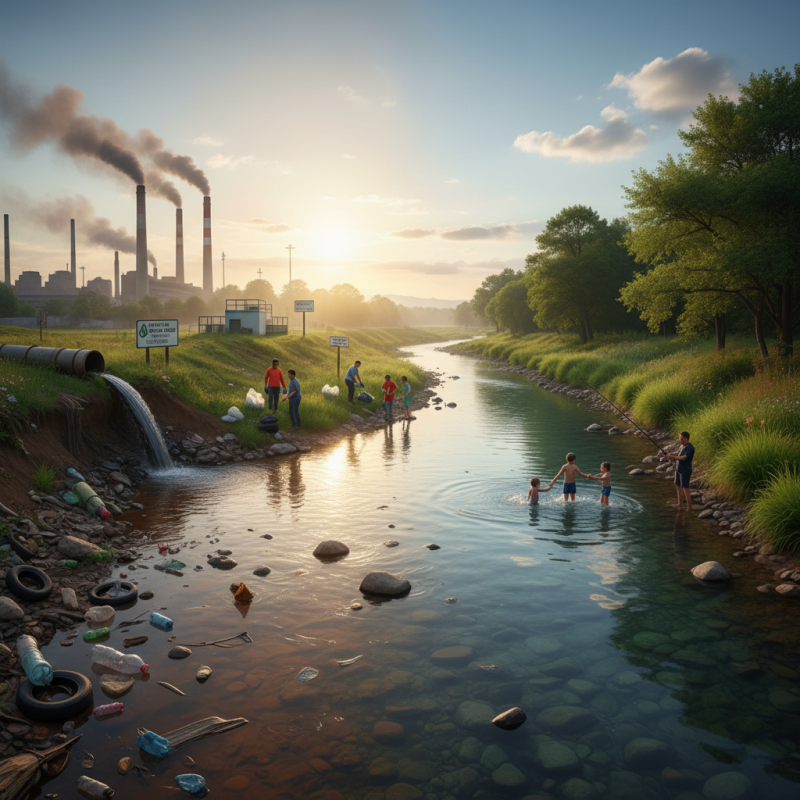
Water pollution has deep roots in industrialization and urban growth. Contaminated rivers, lakes, and oceans spread diseases and harm ecosystems. Historical practices, like dumping waste, laid the groundwork for today's issues. In many places, the legacy of neglect still persists. The aftermath of centuries of pollution is alarming. Communities often suffer the most from dirty water sources.
In the past, many thought water could absorb anything. Factories discharged waste freely, unaware of the impacts. Over time, fish populations dwindled, and safe drinking water became scarce. Although awareness has risen, harmful practices still continue. Many rivers remain polluted due to outdated regulations or lack of enforcement. Citizens often wonder if real change is possible.
We can take small yet impactful steps toward improvement. Local clean-up initiatives encourage community involvement and education. However, these efforts sometimes fall short without systemic changes. Legislative measures often lag behind public awareness. Reflecting on our choices is crucial. Each individual's role matters in the collective fight against water pollution.
What is Water Pollution Control and How Can We Achieve It?
| Pollution Source |
Impact on Water Quality |
Control Measures |
Implementation Challenges |
| Agriculture Runoff |
Nutrient pollution, leading to algal blooms |
Use of buffer strips, sustainable farming practices |
Cost and education of farmers |
| Industrial Discharges |
Toxic chemicals entering water bodies |
Strict regulations, advanced filtration technologies |
Resistance from industries |
| Sewage Disposal |
Pathogens, nutrients, organic matter |
Upgrading sewage treatment plants |
Funding and infrastructure limitations |
| Plastic Waste |
Microplastics affecting aquatic life |
Plastic bans, community clean-up initiatives |
Public compliance and awareness |
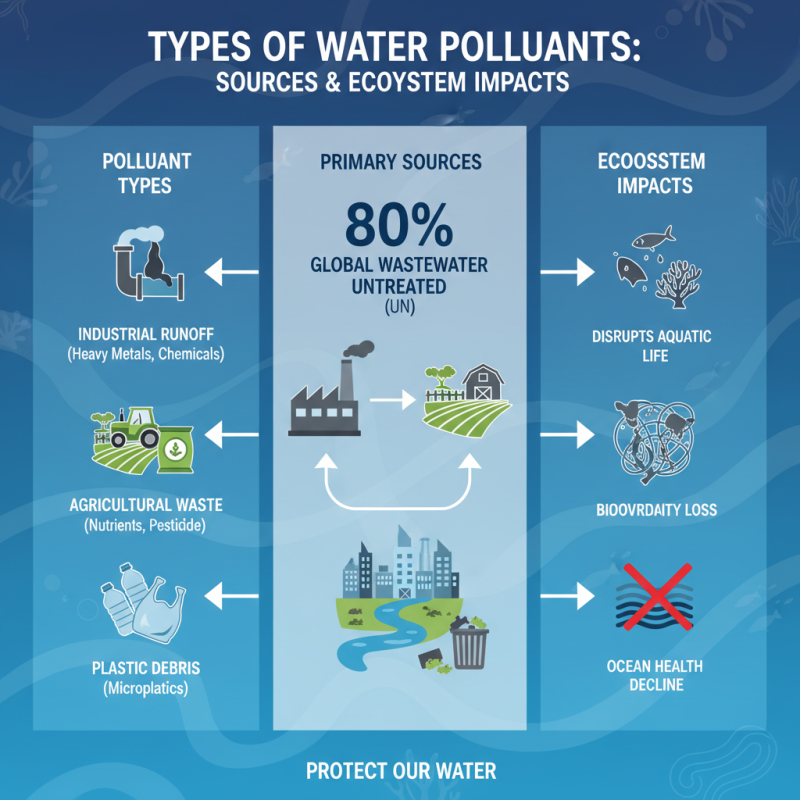
Types of Water Pollutants: Sources and Impact on Ecosystems
Water pollution is a pressing issue. Various types of pollutants threaten aquatic ecosystems. Industrial runoff, agricultural waste, and plastic debris are primary contributors. According to the United Nations, 80% of wastewater globally is released without treatment, impacting ocean health dramatically. Contaminants like heavy metals and nutrients disrupt aquatic life, leading to biodiversity loss.
Industrial activities account for significant water pollution. Reports show that factories discharge millions of gallons of toxic waste into rivers yearly. This contamination harms fish populations and disrupts food chains. Additionally, agricultural runoff often contains fertilizers and pesticides. These chemicals promote algal blooms, resulting in oxygen depletion in water bodies. Some lakes can lose their entire aquatic population due to such impacts.
Plastic waste is another critical concern. Millions of tons pollute oceans each year, endangering marine life. Animals often ingest plastic, mistaking it for food. This leads to injury or death, creating a ripple effect in ecosystems. Communities need to reflect on their waste management practices. How can we reduce our plastic footprint? Addressing these challenges requires collective action and innovative solutions.
Regulatory Framework: Key Legislation for Water Pollution Control
Water pollution control is essential for ensuring clean water. Effective legislation is crucial for protecting our water resources. Various regulatory frameworks exist worldwide to manage and reduce water pollution. These laws establish standards for pollutants and outline enforcement mechanisms. They aim to hold industries accountable for their discharges.
Key legislation, such as the Clean Water Act in the U.S., plays a vital role. It sets strict limits on pollutants to protect aquatic life and human health. States adapt these federal guidelines to address local challenges. However, gaps remain in enforcement. Many regions still lack adequate resources to monitor compliance. This inconsistency often leaves communities vulnerable to contaminated water sources.
Public awareness is also necessary for successful water pollution control. Engaging local communities enhances efforts to hold polluters accountable. Education plays a critical role in driving change. People need to understand how their actions impact water quality. Yet, often, the message gets lost. Awareness campaigns must be more effective and inclusive to bridge the gap. The road to cleaner water is long and requires collective effort.
Innovative Technologies in Water Treatment and Pollution Mitigation
Innovative technologies play a vital role in water treatment and pollution mitigation.
Advanced filtration systems can remove harmful particles effectively. These systems often use membranes that trap contaminants. They work well for both industrial and municipal wastewater.
However, the cost of installation can be high, making accessibility an issue.
Bioremediation is another exciting method. It uses microorganisms to break down pollutants in water.
This approach can be eco-friendly and sustainable. It often requires a lengthy process to achieve significant results.
Community involvement is essential in these efforts. Education about pollution can help spark change.
Cleaner waterways depend on collective action.
Emerging technologies, like AI and IoT, offer new solutions.
They can monitor water quality in real-time. Quick responses to contamination events become possible.
However, technology can fail. Reliability remains a concern. Balancing innovation and traditional methods could prove beneficial.
There's still much to explore and improve in this crucial area.
Community Engagement and Education: Strategies for Public Awareness
Community engagement is crucial in water pollution control. Education efforts can raise awareness about local water issues. According to the Environmental Protection Agency, nearly 50% of rivers in the U.S. are not safe for swimming. Public participation can address this gap.
Workshops and informational sessions can empower communities. Residents can learn about pollution sources. They can take action, such as organizing clean-ups. A study by the World Health Organization shows that informed communities can reduce water contamination levels by 30%.
Visual campaigns can also highlight pollution effects. Simple brochures or social media posts can spread important messages. Engaging art can evoke emotional responses, encouraging people to change. However, not everyone is aware. Many remain indifferent or misinformed, highlighting the ongoing need for education.