Why is the Wastewater Treatment Industry Essential for Sustainability?
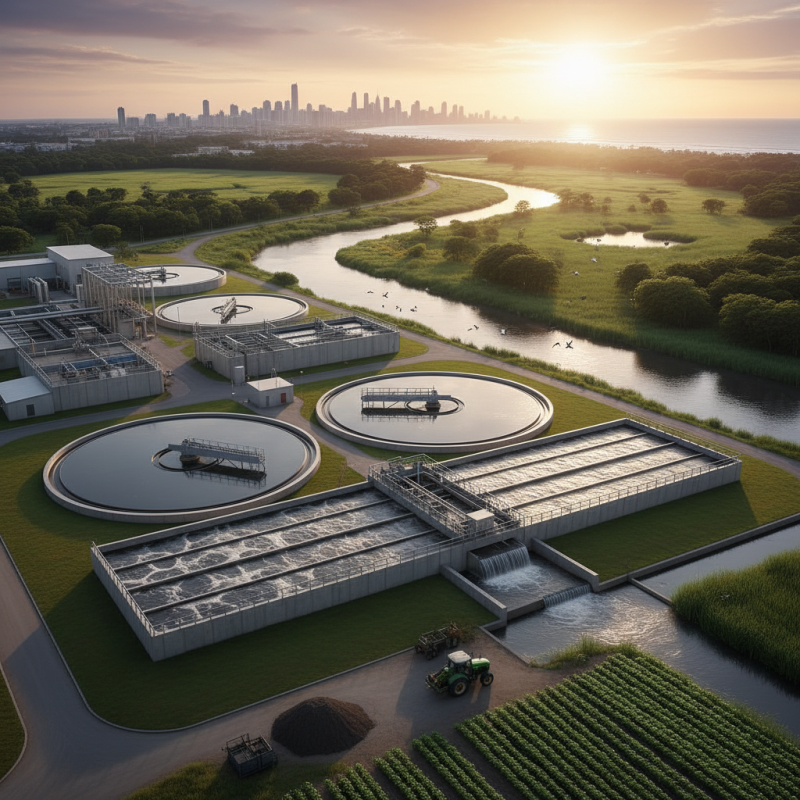
The Wastewater Treatment Industry plays a crucial role in our quest for sustainability. This industry ensures that contaminated water is treated properly. By doing so, it protects our waterways and aquatic ecosystems. Clean water is essential for human health and the environment. However, many people overlook its importance.
Wastewater treatment systems convert polluted water into a resource. They remove harmful substances and return clean water to the environment. This process also produces bio-solids, which can be reused. Despite its significance, the industry faces criticism. Some systems are outdated and inefficient.
Maintenance and upgrades are often neglected. This leads to potential environmental hazards. Awareness and investment in the Wastewater Treatment Industry are necessary. We must acknowledge both its achievements and challenges. Only then can we move toward a more sustainable future.
The Role of Wastewater Treatment in Environmental Sustainability
Wastewater treatment plays a vital role in maintaining environmental sustainability. It ensures that harmful pollutants are removed before water is released back into nature. By processing sewage and industrial waste, we protect ecosystems. Clean water contributes to healthy habitats for plants and animals. When wastewater is treated properly, our rivers, lakes, and oceans thrive.
Tips: Always consider local water sources when discussing wastewater treatment. Small communities often have unique challenges. Regular maintenance of treatment facilities is essential. Neglected systems can pollute nearby water bodies.
However, the industry faces challenges. Aging infrastructure can lead to inefficiencies. Many systems are outdated and struggle to keep up with increasing populations. Moreover, public awareness is often lacking. People may not realize their role in protecting water resources. Educating the community can bridge this gap.
Tips: Engage with local organizations to promote sustainable practices. Encourage residents to reduce water waste at home. Simple changes can have a big impact on local water quality. Every drop counts in preserving our environment.
Why is the Wastewater Treatment Industry Essential for Sustainability?
| Dimension |
Description |
Impact |
| Water Reuse |
Recycling treated wastewater for agricultural or industrial use. |
Reduces freshwater demand and increases resource efficiency. |
| Pollution Control |
Minimizing contaminants in water bodies through effective treatment. |
Protects aquatic ecosystems and human health. |
| Energy Recovery |
Utilizing biogas produced during wastewater treatment for energy. |
Reduces dependence on fossil fuels and lowers energy costs. |
| Nutrient Recovery |
Recovering phosphorus and nitrogen from wastewater for fertilizers. |
Supports sustainable agriculture and reduces chemical fertilizer use. |
| Climate Resilience |
Adapting wastewater management to cope with climate change effects. |
Enhances water security and ecosystem stability. |
Benefits of Wastewater Recycling for Water Scarcity Solutions
Water scarcity is becoming a pressing global issue. According to the United Nations, about 2 billion people lack access to safe water. Wastewater recycling offers a critical solution to this growing problem. By treating and reusing wastewater, cities can significantly reduce their reliance on freshwater sources.
In fact, the Water Environment Federation reports that wastewater treatment can reclaim up to 50% of the water released in municipal systems. This process not only conserves water but also reduces the pollution load on natural water bodies. However, many facilities struggle with outdated technology. This limits their efficiency. Often, operational costs deter investments. The paradox is evident; while the need for clean water increases, not all facilities are up to the challenge.
Innovative methods in wastewater treatment could help bridge this gap. Advanced filtration and biological treatments can enhance water quality. Yet, not every treatment plant adopts these technologies. There remains a significant gap in awareness and funding. Addressing these challenges is crucial for achieving sustainable solutions to water scarcity. Every drop counts, and wastewater recycling can transform our approach to water management.
Impact of Wastewater Treatment on Public Health and Safety
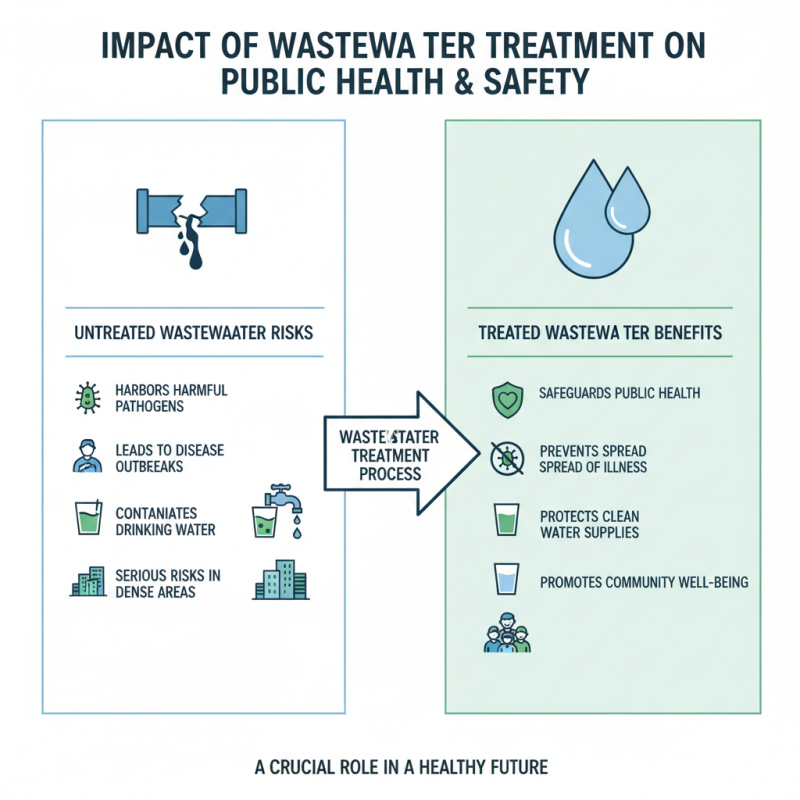
Wastewater treatment plays a crucial role in safeguarding public health. When untreated, wastewater can harbor harmful pathogens. These pathogens may lead to outbreaks of diseases. Inadequate treatment can contaminate drinking water supplies. This poses serious risks, especially in densely populated areas.
Efficient wastewater treatment systems can significantly reduce these risks. They remove solids, chemicals, and pathogens effectively. However, not all systems operate at the same level of efficiency. Some facilities struggle with outdated technology, causing gaps in safety. Communities should reflect on their local wastewater infrastructure.
Moreover, public awareness is essential. Many people may not realize the link between wastewater treatment and health. Educating the public can drive support for improvements. Advocacy for better systems can lead to healthier environments. Thus, investing in modern technologies can improve safety for all. The balance between technology and community engagement is vital for progress.
Technological Innovations in Wastewater Management
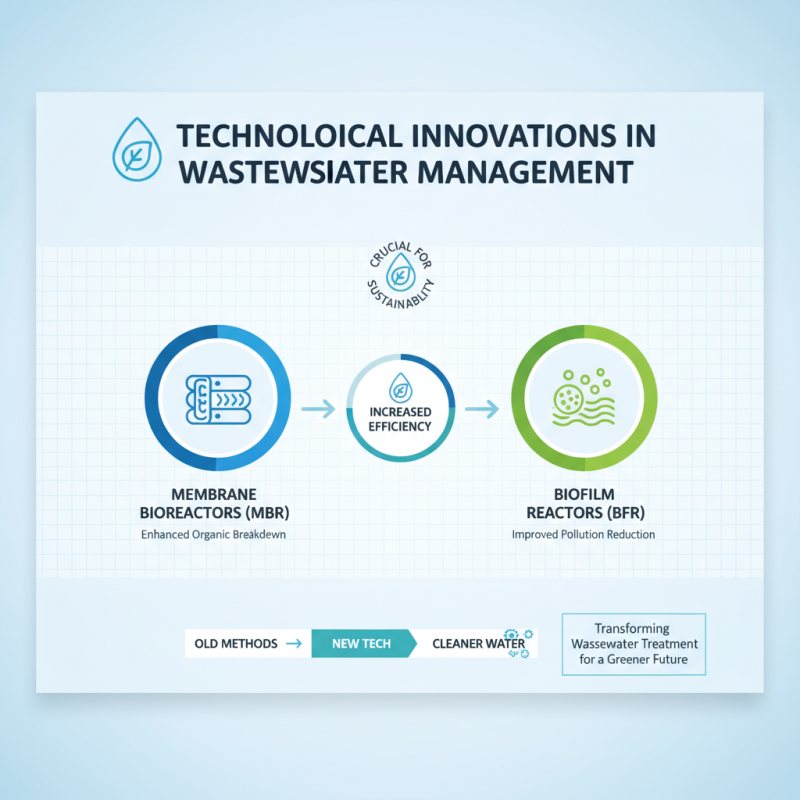
The wastewater treatment industry plays a crucial role in sustainability. Technological innovations are transforming how wastewater is managed. Advanced systems like membrane bioreactors and biofilm reactors are improving efficiency. These technologies enhance the breakdown of organic materials, reducing pollution levels.
Tips: Regular maintenance helps optimize performance. Clean filters and inspect equipment often.
Some processes still face challenges. For example, energy consumption remains high in some advanced systems. These hurdles need to be addressed for better sustainability. Innovations are ongoing, and researchers investigate ways to minimize energy use while maximizing treatment efficiency.
Tips: Consider integrating renewable energy sources. Solar or wind power can reduce reliance on traditional energy.
In urban areas, the push for green infrastructure is essential. Innovations like green roofs and permeable pavements are gaining attention. They help manage stormwater and reduce the burden on treatment facilities. Embracing these technologies can lead to more resilient cities. However, public awareness and education are critical for widespread adoption.
Challenges Facing the Wastewater Treatment Industry in Sustainable Practices
The wastewater treatment industry plays a critical role in promoting sustainability. However, it faces numerous challenges. Aging infrastructure is a significant issue. Many treatment facilities operate with outdated equipment, leading to inefficiencies. This not only affects water quality but also increases energy consumption.
Moreover, the rise in population adds strain on these systems. Urbanization results in higher wastewater volumes. Insufficient capacity can lead to untreated waste entering water sources. The need for innovative technologies is clear, yet adoption is slow. Many facilities lack funding for modern solutions.
Public awareness remains low as well. Many people do not understand the importance of wastewater treatment. This leads to insufficient support for necessary upgrades. Education around sustainability and water practices is crucial. Improving community engagement can foster better practices and support change. Addressing these challenges is vital for a sustainable future.
Water Treatment Industry's Challenges in Sustainable Practices