




Leave Your Message
The Solid Waste Treatment Industry is undergoing significant transformations. As urbanization increases, so does waste production. This demands innovative solutions and sustainable practices. Industry stakeholders are emphasizing waste reduction, recycling, and resource recovery. New technologies are emerging, reshaping how we handle waste.
Environmental concerns drive these trends. More citizens are aware of the impact of waste on the planet. Companies are seeking eco-friendly methods to gain public trust. Traditional waste management practices are being challenged. This shift is necessary but often met with resistance. People question the effectiveness of new approaches.
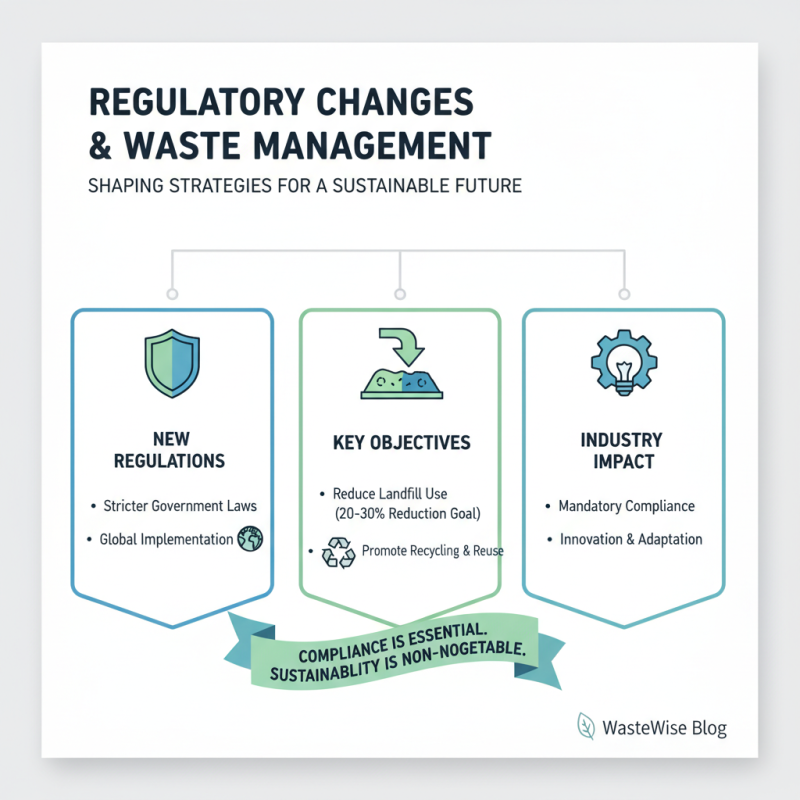
Regulatory changes also play a crucial role. Governments are implementing stricter policies to enforce sustainability. However, compliance can be a burden for smaller businesses. Balancing economic growth with environmental responsibility presents ongoing challenges. The Solid Waste Treatment Industry must adapt continually to these dynamic conditions. Innovations must be grounded in practicality and community needs.
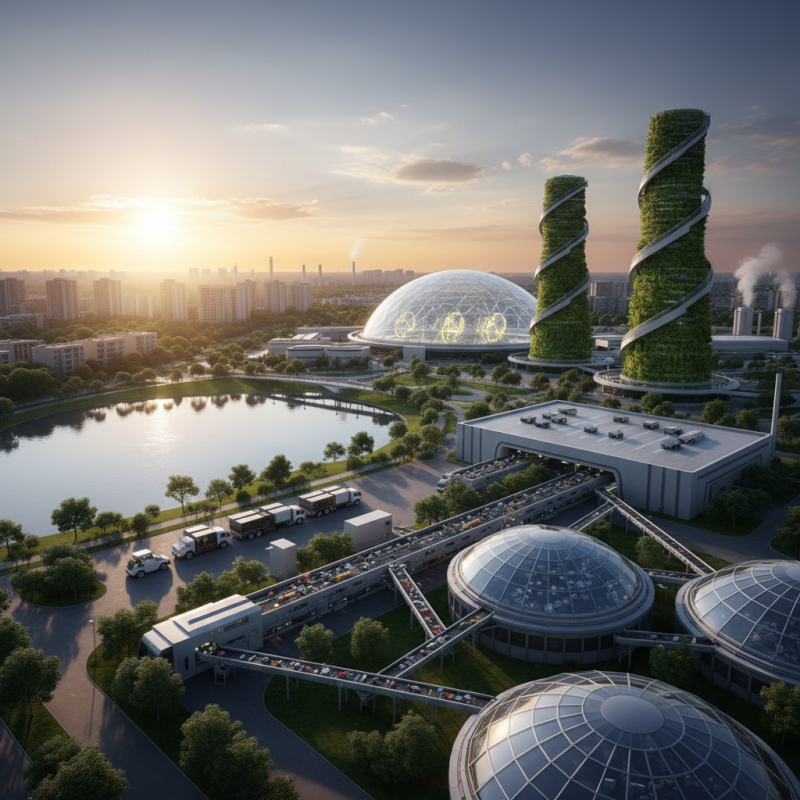
The emergence of advanced waste-to-energy technologies is transforming the solid waste treatment industry. In recent years, the global waste-to-energy market has demonstrated remarkable growth, projected to reach approximately $40 billion by 2025. This surge can be attributed to increased solid waste generation and a demand for sustainable energy sources.
Advanced technologies, such as anaerobic digestion and gasification, are at the forefront of this transformation. These methods convert organic waste into biogas, while gasification thermally decomposes waste under low oxygen. Reports indicate that these technologies can reduce landfill use by up to 90%. Despite the potential, challenges remain. Capital costs and technological barriers hinder widespread adoption.
Efficiency is a critical factor in these developments. Many facilities face operational shortcomings, impacting energy recovery rates. Studies show that improving process management could enhance energy yield by 30%. Furthermore, regulatory frameworks often lack clarity, complicating investment decisions. Addressing these issues is essential for maximizing the potential of waste-to-energy technologies and reducing overall environmental impact.
| Trend | Description | Impact | Future Prospects |
|---|---|---|---|
| Increased Adoption of WtE Technologies | Growing interest in converting waste to energy through advanced technologies. | Reduces landfill usage and produces renewable energy. | Expected to grow in municipal and industrial applications. |
| Integration of Smart Technologies | Use of IoT and AI for monitoring and optimizing waste treatment processes. | Enhances efficiency and reduces operational costs. | Will transform waste management into a data-driven sector. |
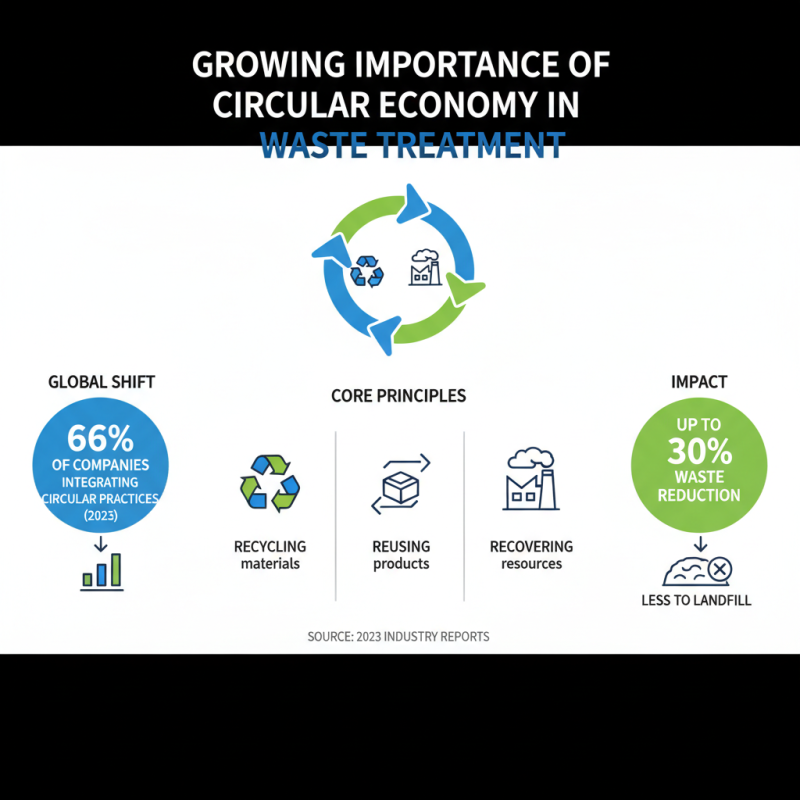
| Sustainability and Circular Economy | A shift towards reducing waste and recycling materials back into the economy. | Promotes environmental sustainability and resource conservation. | Will influence policies and business models across the industry. |
| Regulatory Changes | Stricter regulations regarding waste management and emissions. | Creates accountability and encourages compliance with environmental standards. | Will drive innovation in treatment technologies. |
| Growing Public Awareness | Increased concern for environmental issues among the public. | Encourages organizations to adopt greener practices. | Expected to drive demand for sustainable solutions. |
| Research and Development | Investment in R&D for better waste treatment technologies and materials. | Leads to more effective and efficient waste management solutions. | Long-term growth and innovation in the industry. |
| Collaboration Across Sectors | Partnerships between governments, NGOs, and private sectors. | Enhances resource sharing and expertise. | Will foster more integrated waste management approaches. |
| Advanced Recycling Technologies | Emerging technologies that improve the recycling process. | Increases recycling rates and reduces waste. | Will be pivotal to achieving circular economy goals. |
| Waste Management in Urban Areas | Innovative solutions tailored for densely populated areas. | Improves waste collection efficiency and environmental impact. | Continued growth as urban populations rise. |
| Breakthrough in Biodegradable Materials | Development of new materials that decompose more sustainably. | Reduces long-term waste and environmental harm. | Will become increasingly important in product design. |