2025 Top 5 Innovations in Sludge Treatment Technologies for Sustainable Solutions
In the quest for sustainable waste management, sludge treatment has emerged as a critical focus for innovation and technological advancement. As urbanization accelerates and wastewater generation increases, effective sludge treatment becomes essential not only for environmental preservation but also for resource recovery. The year 2025 is poised to showcase transformative breakthroughs in this field, promising enhanced efficiency and reduced ecological footprints.
This article highlights the top five innovations in sludge treatment technologies that are set to make a significant impact in the coming years. From advanced digestion techniques to cutting-edge dewatering solutions, these innovations reflect a holistic approach to tackling sludge challenges while promoting sustainability. By examining these breakthroughs, we aim to shed light on the potential of these technologies to revolutionize sludge management practices and contribute to a more sustainable future. Ultimately, as these solutions become integrated into wastewater treatment processes, they will pave the way for a healthier planet and more efficient resource utilization.
Advancements in Anaerobic Digestion: Enhancing Biogas Production from Sludge
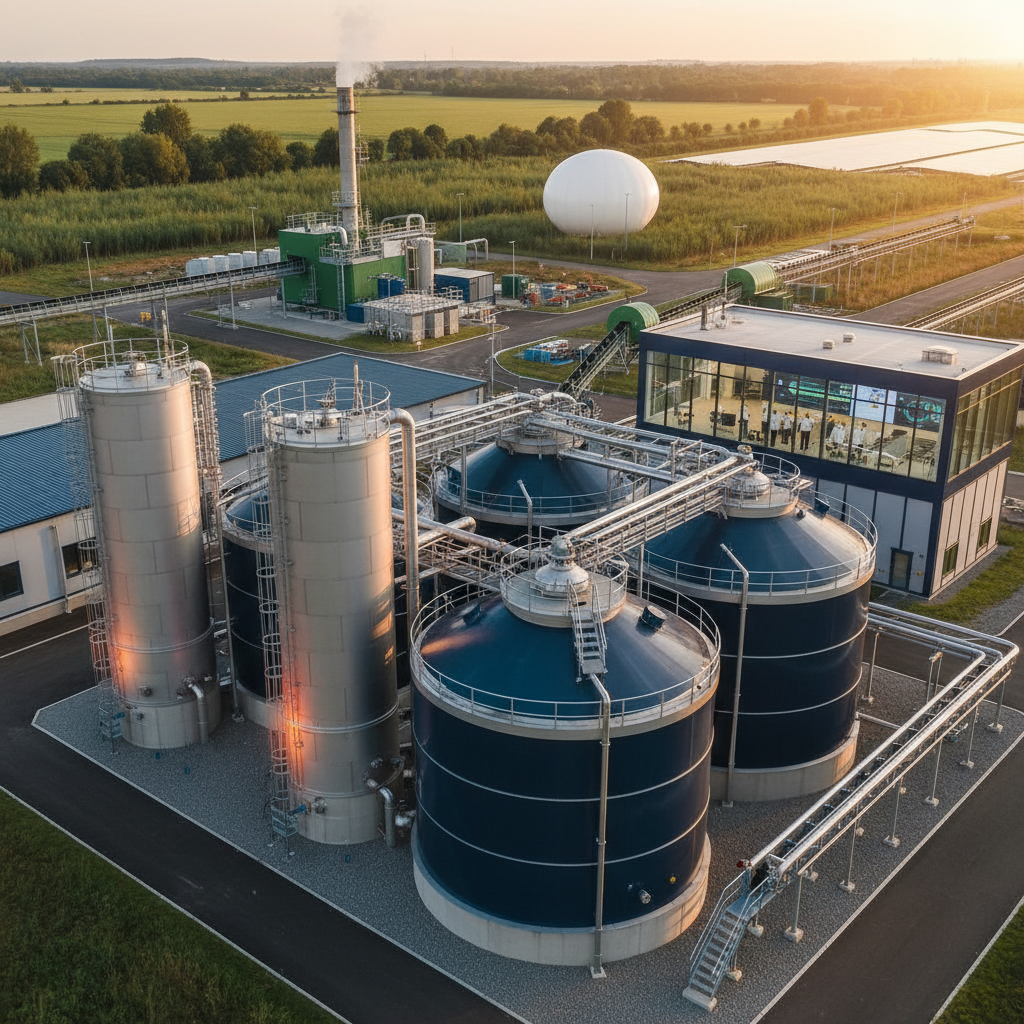
Advancements in anaerobic digestion (AD) are paving the way for more sustainable sludge treatment solutions. The focus on enhancing biogas production from sewage sludge is particularly significant, as it allows for the valorization of waste materials into renewable energy. By utilizing thermophilic two-stage anaerobic digesters, operators can optimize the digestion process for higher biogas yields and improve overall system efficiency. This approach not only addresses the operational challenges encountered during start-up but also provides valuable economic advantages.
Tips: To maximize biogas production, consider using a mix of feedstocks, including various organic residues and sewage waste. Diversifying inputs can lead to a more stable digestion process and higher gas output. Additionally, paying attention to temperature control and retention time can significantly enhance the performance of thermophilic digesters.
Despite the potential benefits, the full-scale implementation of anaerobic digestion technologies faces hurdles, particularly in the initial phases. Understanding the differences between sewage sludge and digested sludge is crucial for optimizing the start-up of these systems. Digested sludge tends to be more conducive to AD, as it has been pre-treated and can facilitate easier microbial digestion, leading to a quicker stabilization of the process. Investing in pilot-scale tests and thorough planning can mitigate some of the risks associated with scaling up these technologies.
Innovative Thermal Treatment Techniques for Efficient Sludge Reduction
Innovative thermal treatment techniques are emerging as crucial solutions for
efficient sludge reduction in wastewater treatment. These technologies not only enhance the dewatering process but also
decrease the overall volume of sludge, addressing the pressing challenges faced by sewage treatment plants. Recent
research highlights innovative methodologies such as the use of a ferrite
conditioner, which significantly improves the dewaterability of aluminum sludge, demonstrating the potential for
more efficient sludge management.
Tips for Implementing Thermal Treatment Techniques:
- Evaluate existing sludge management practices to identify areas for improvement.
- Consider integrating advanced thermal techniques with current systems to maximize efficiency and reduce operational costs.
- Stay informed about emerging technologies and market trends in the sludge treatment sector to ensure that your
facilities are utilizing the best available methods.
Another promising development is the application of osmotic microbial fuel
cells (OsMFCs), which offer an innovative approach to thicken and stabilize activated sludge while generating
bioelectricity. This dual benefit not only helps in reducing sludge volume but also contributes to resource recovery in
wastewater management. As the landscape of sludge treatment continues to evolve, embracing these innovative solutions
will be essential for sustainable wastewater management practices.
Emerging Hybrid Technologies: Combining Biological and Physical Methods
The advancement of sludge treatment technologies is crucial for sustainable environmental management, particularly in urban settings where wastewater production is high. Emerging hybrid technologies are at the forefront of this innovation, effectively merging biological and physical methods to enhance treatment processes.
By combining the strengths of biological treatments, such as anaerobic digestion, with physical techniques like membrane filtration, these hybrid systems optimize the removal of organic materials and pathogens, leading to improved effluent quality and resource recovery.
One notable example of such hybrid technology is the integration of biofilm reactors with advanced filtration systems. This approach allows for the simultaneous degradation of contaminants while facilitating the separation of treated water from sludge. Additionally, innovations such as electrocoagulation paired with biological processes have shown promise in reducing chemical usage and increasing treatment efficiency.
As these technologies evolve, they not only address current sludge management challenges but also pave the way for more sustainable practices by transforming waste into valuable resources, such as biogas and nutrient-rich fertilizers.
Smart Monitoring Systems: AI and IoT in Sludge Treatment Optimization
The future of sludge treatment technologies is being revolutionized by the integration of AI and IoT, contributing to more sustainable water management solutions. One notable innovation is AquaFlowNet, a machine learning-based framework designed for real-time wastewater flow management. This technology tackles essential challenges by optimizing the flow and treatment processes, significantly enhancing operational efficiency. As the U.S. water and wastewater treatment market is projected to reach USD 238.36 billion by 2034, innovations like AquaFlowNet will play a crucial role in meeting increasing demands.
Tips: Implementing smart monitoring systems can help reduce non-revenue water (NRW) in distribution networks by utilizing IoT solutions, which can identify and address leaks proactively. Additionally, leveraging predictive analytics and AI-driven infrastructure will support organizations in adapting to climate change and environmental challenges while ensuring resource optimization.
In this rapidly evolving sector, the global SCADA market for water management is set to grow from USD 2.20 billion in 2025 to approximately USD 3.61 billion by 2034. These advancements highlight the importance of integrating technology in managing water and sludge effectively, ensuring both sustainability and resilience against flooding and other environmental impacts.
Sustainability through Resource Recovery: Nutrient Recycling from Waste Sludge
The rising need for sustainable waste management solutions has shifted attention towards innovative sludge treatment technologies that emphasize resource recovery. Among these advancements, nutrient recycling from waste sludge stands out as a promising strategy. Through processes such as anaerobic digestion and advanced treatment techniques, valuable nutrients like nitrogen and phosphorus can be extracted from sludge, significantly reducing environmental impact. This approach not only mitigates the burden on landfills but also transforms waste into reusable resources, thereby promoting a circular economy.
Furthermore, the integration of nutrient recycling into sludge treatment processes aligns with global sustainability goals. By effectively recovering these essential elements, agricultural industries can reduce their dependency on synthetic fertilizers, lowering production costs and diminishing adverse environmental effects. Innovative methods, such as microbial fuel cells and algal treatments, add another layer of efficiency, converting waste into bioenergy while simultaneously purifying water. This synergy fosters a holistic approach to waste management, demonstrating that with the right technologies, waste can be reimagined as a resource rather than a problem.
2025 Top 5 Innovations in Sludge Treatment Technologies
This chart illustrates the expected efficiency improvements in five innovative sludge treatment technologies by 2025. The data is based on projected reductions in nutrient levels, energy consumption, and overall environmental impact, showcasing the potential for sustainable solutions through resource recovery.