Top Innovations Shaping the Future of the Wastewater Treatment Industry
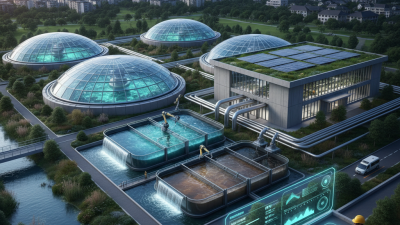
The Wastewater Treatment Industry is undergoing a remarkable transformation, driven by the need for sustainable practices and advanced technologies. As urbanization increases and water scarcity becomes a pressing global challenge, innovative solutions are at the forefront of addressing the complexities involved in wastewater management. The advent of cutting-edge technologies aims not only to enhance efficiency and reduce operational costs but also to promote environmental responsibility and water reuse.
In this dynamic landscape, various innovations, ranging from automated processes to microbial treatment systems, are reshaping how wastewater is processed and utilized. These advancements are pivotal in overcoming traditional barriers and ensuring that treated water can be safely returned to the environment or repurposed for agricultural and industrial use. This article will explore the top innovations set to revolutionize the Wastewater Treatment Industry, highlighting their significance in fostering a more sustainable future. As the sector evolves, staying abreast of these developments is crucial for industry stakeholders seeking to make informed decisions and contribute to a healthier planet.

Emerging Technologies in Wastewater Treatment Processes
Emerging technologies in wastewater treatment processes are revolutionizing the industry, focusing on efficiency, sustainability, and resource recovery. One significant innovation is the integration of advanced oxidation processes (AOPs), which utilize powerful oxidants to break down organic pollutants more effectively than traditional methods. These processes enhance the treatment of difficult-to-remove contaminants, reducing the burden on conventional treatment facilities and leading to cleaner effluents.
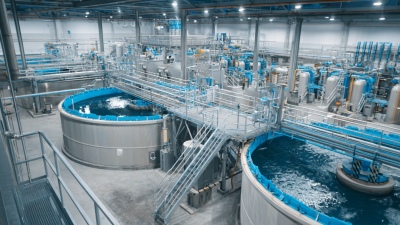
Additionally, the adoption of membrane bioreactor (MBR) technology is gaining traction, providing a combination of biological treatment with membrane filtration. This method not only improves the removal of suspended solids and pathogens but also allows for the recovery of valuable resources such as biogas and nutrients. Furthermore, the incorporation of Internet of Things (IoT) devices and artificial intelligence (AI) in wastewater treatment processes is enabling real-time monitoring and predictive maintenance, leading to optimized operations and reduced costs. These advancements position the wastewater treatment industry toward a more sustainable and circular economy approach, ultimately improving environmental outcomes and resource management.
Advancements in Biological Treatment Methods
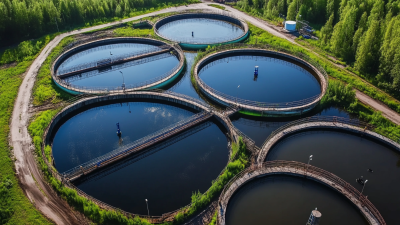
The wastewater treatment industry is undergoing significant transformations, particularly in the realm of biological treatment methods. Traditional approaches have often struggled to consistently meet stringent water quality standards, driving the need for more efficient and sustainable technologies. Recent advancements in biological treatment leverage innovative microbial processes to enhance the breakdown of organic contaminants in wastewater. This not only improves the effectiveness of treatment but also reduces the energy requirements typically associated with conventional methods.
One of the most promising developments is the use of advanced biofilm systems, which encourage the growth of specialized microorganisms on surfaces. These biofilms enable more efficient nutrient removal and can adapt to varying wastewater compositions. Additionally, techniques like the use of microbial fuel cells are gaining traction. They harness the natural metabolic processes of bacteria to generate energy while simultaneously treating wastewater. This dual benefit makes these methods highly attractive for future implementations, promoting a circular economy in water management. As the industry continues to embrace these biological innovations, the focus remains on enhancing performance, sustainability, and cost-effectiveness in wastewater treatment processes.
Top Innovations Shaping the Future of the Wastewater Treatment Industry
This chart illustrates the advancements in various biological treatment methods in the wastewater treatment industry over recent years.
The Role of AI and Automation in Wastewater Management
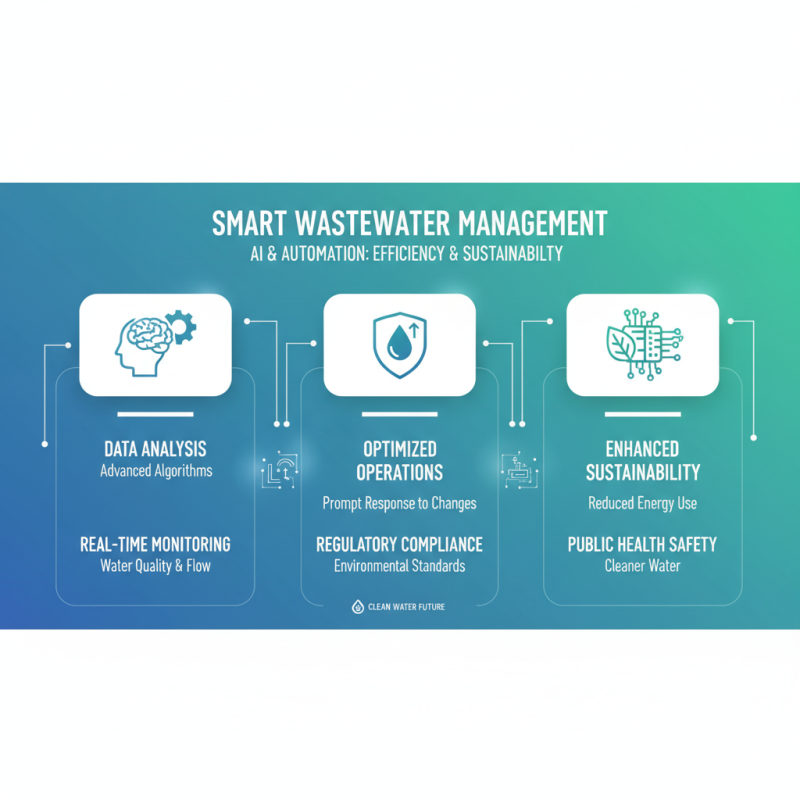
The integration of AI and automation in wastewater management is transforming how facilities operate, leading to increased efficiency and sustainability. Advanced algorithms analyze large volumes of data from various sensors, allowing for real-time monitoring of water quality and flow rates. This capability enables waste treatment plants to respond promptly to changes in conditions, ensuring compliance with environmental regulations and enhancing public health safety.
Automation further streamlines operations by minimizing manual interventions, which reduces the likelihood of human error and operational downtime. Robotic systems can perform routine maintenance tasks, such as cleaning and equipment inspections, freeing up skilled personnel to focus on more complex issues. Additionally, predictive maintenance powered by AI algorithms can forecast equipment failures before they occur, optimizing maintenance schedules and reducing costs. As these technologies evolve, the wastewater treatment industry stands to benefit greatly from improved resource management and a more proactive approach to environmental stewardship.
Innovative Membrane Technologies Revolutionizing Filtration
The future of the wastewater treatment industry is being dramatically shaped by innovative membrane technologies, which are enhancing filtration methods significantly. These advanced membranes offer improved separation processes, allowing for the effective removal of contaminants from wastewater. By utilizing various types of membranes, including microfiltration, ultrafiltration, and nanofiltration, facilities can achieve higher purity levels in treated water, making it more suitable for reuse or safe discharge into the environment.
Tips for optimizing membrane technology in wastewater treatment include maintaining proper operating conditions to prolong membrane lifespan and enhance performance. Regular monitoring of transmembrane pressure can help detect fouling early, facilitating timely maintenance. Implementing automated cleaning systems can also minimize downtime and ensure consistent quality in treated water.
Moreover, integrating hybrid systems that combine membrane processes with traditional treatment methods can yield superior results. Employing pre-treatment steps, like sedimentation or chemical coagulation, can significantly reduce the load on membranes, extending their operational efficiency. As the industry continues to evolve, embracing these innovative filtration techniques will be crucial for meeting stricter environmental regulations and paving the way for sustainable water management practices.
Sustainable Practices and Circular Economy in Water Treatment
The wastewater treatment industry is undergoing a transformative shift toward sustainable practices, underpinned by the principles of a
circular economy. As water scarcity becomes an increasingly pressing global challenge,
innovative technologies are being adopted to maximize resource recovery and minimize environmental impact. According to the International Water Association (IWA),
implementing circular economy strategies in water treatment can reduce operational costs by up to 30% while simultaneously decreasing the carbon
footprint of treatment processes. This transition not only conserves valuable water resources but also fosters the reuse of treated water, enabling municipalities to significantly reduce their
reliance on freshwater sources.
Emerging technologies such as membrane bioreactors (MBRs) and advanced oxidation processes are at the forefront of this revolution.
MBRs, for instance, allow for the efficient removal of contaminants and produce high-quality effluent suitable for reuse, thus redefining the notion of wastewater from a disposal burden to
a valuable resource. A report by Aqua Tech estimates that innovations in wastewater treatment technology could enhance water recovery
rates by more than 50% over the next decade. By adopting these sustainable practices, the industry is paving the way for a future where
water is continuously recycled, aligning with the principles of the circular economy and contributing to a more resilient and sustainable water management strategy.