Top Sludge Dewatering Equipment Suppliers Worldwide
Top Sludge Dewatering Equipment Suppliers Worldwide
Sludge dewatering is becoming a practical priority for municipalities, food processors, chemical plants, and large infrastructure projects. The United Nations World Water Development Report 2017 estimated that more than 80% of global wastewater is discharged without adequate treatment. That figure still exposes a difficult reality: water treatment cannot be separated from sludge management.
MarketsandMarkets’ Sludge Dewatering Equipment Market report, published in 2024, identifies municipal and industrial wastewater treatment as major demand sectors. Global Water Intelligence’s Global Water Market 2024 also highlights stronger investment in resource recovery and treatment efficiency. These trends support wider adoption of centrifuges, belt filter presses, screw presses, and recessed-chamber filter presses. Yet equipment selection is rarely simple. A polymer dose that works in one plant may fail after seasonal sludge changes. Cake dryness can improve, while energy use rises. Small details matter.
As wastewater scientist David Jenkins observed, “The activated sludge process is more an art than a science.” His statement also applies to Sludge Dewatering. Laboratory trials, pilot testing, operator experience, and local service support remain essential. Buyers should compare cake solids, hydraulic capacity, power consumption, noise, odor control, maintenance access, and spare-part availability. Supplier rankings can reveal market leaders, but they cannot replace site-specific evidence. That limitation deserves attention. A globally recognized brand may still perform poorly when feed sludge, climate, or operator skills differ. This guide examines leading suppliers worldwide through technical capability, documented experience, reliability, and practical operating value.
What Is Sludge Dewatering Equipment?
What Is Sludge Dewatering Equipment?
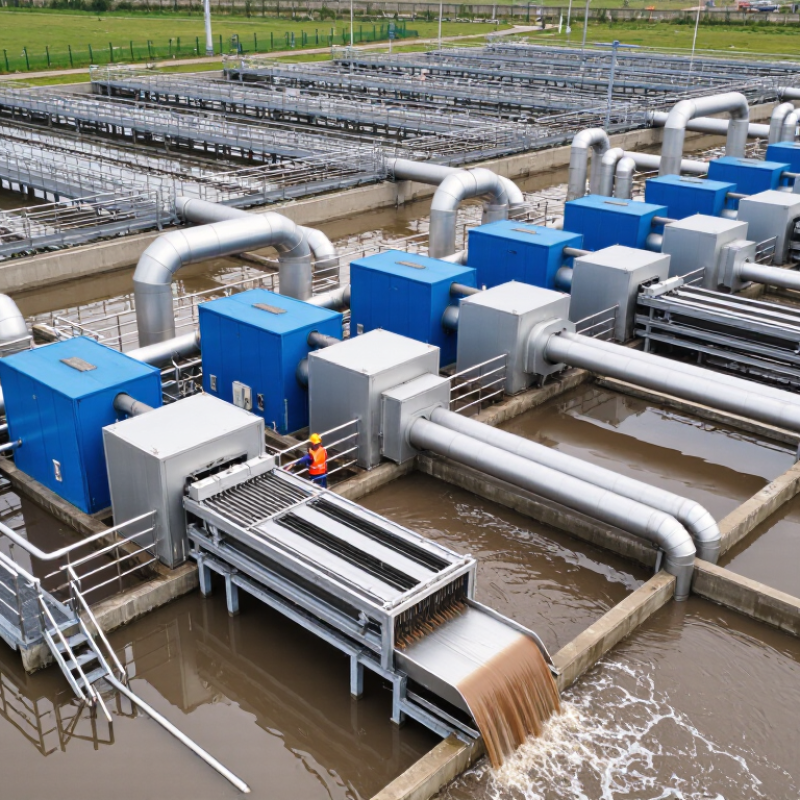
Sludge dewatering equipment separates water from wastewater sludge before transport, treatment, or disposal. It does not fully dry the material. Instead, it produces a denser sludge cake and a liquid stream called filtrate. Common systems include belt filter presses, centrifuges, screw presses, and filter presses. Each system uses different combinations of gravity, pressure, shear, or centrifugal force.
The U.S. Environmental Protection Agency’s Biosolids Technology Fact Sheet reports that conditioned sludge commonly enters dewatering at about 1% to 4% solids. Mechanical systems may increase this level to roughly 15% to 30%, depending on sludge type and operating conditions.
That change matters. A heavier cake can reduce hauling volume, storage demand, and associated fuel use. However, performance depends on polymer selection, feed consistency, temperature, and maintenance. The numbers are useful, but not universal.
The International Water Association notes that sludge properties vary sharply between municipal, industrial, and mixed treatment plants. Operators should test samples before choosing equipment. A centrifuge may suit limited floor space, while a belt press can offer simpler visual monitoring. Screw presses often operate at lower speeds, but they are not automatically better. Poor conditioning can create cloudy filtrate and a wet cake. Operators often learn this the hard way. Regular torque checks, wash-water control, and solids testing remain essential.
How Sludge Dewatering Systems Work
Top Sludge Dewatering Equipment Suppliers Worldwide
How Sludge Dewatering Systems Work
Sludge dewatering systems remove water from concentrated sludge before disposal or further treatment. The process usually begins with thickening. Gravity, dissolved air, or mechanical methods reduce the sludge volume. A polymer may then be added to bind fine solids into larger, stronger flocs. Mixing must be controlled. Excessive agitation can break these flocs apart.
The conditioned sludge enters a dewatering unit, such as a belt press, screw press, or centrifuge. A belt press squeezes sludge between porous moving belts. A screw press uses gradual compression inside a rotating screen. A centrifuge separates solids through high-speed rotation and density differences. Each system handles moisture differently. Feed rate, polymer dosage, pressure, and screen condition strongly affect performance.
The separated liquid, called filtrate or centrate, often returns to the treatment process. The remaining cake should be firm enough for transport and handling. In practice, results can change with seasonal sludge properties. Industrial sludge may behave unpredictably. This is where supplier expertise matters: equipment sizing should follow laboratory tests, site measurements, and actual operating data. A unit that performs well in one facility may struggle elsewhere. No machine is perfect. Operators still need routine checks for odor, vibration, polymer use, and cake dryness. Small adjustments often prevent costly failures.
Key Types of Sludge Dewatering Equipment
Key Types of Sludge Dewatering Equipment
Sludge dewatering equipment should match solids content, flow variation, and disposal requirements. Belt filter presses use gravity drainage, wedge zones, and compression. They are suitable for steady municipal flows and usually produce 15–25% dry solids. Centrifuges generate stronger separation through high-speed rotation. They often reach 20–35% dry solids, but energy use and polymer demand can increase. The U.S. EPA’s Biosolids Technology Fact Sheets reports typical solids capture rates above 95% for both systems.
Screw presses operate slowly and quietly. Their enclosed design helps control splashing and odor. They commonly achieve about 15–25% dry solids with moderate power demand. Plate-and-frame filter presses can produce a drier cake, often near 30–40% solids, but they require more labor and batch handling. EPA data also indicates that feed characteristics can shift performance substantially. A higher cake percentage is not automatically better. Disposal costs, washing water, and maintenance may matter more.
Tips:
Run jar tests before selecting polymer dosage. Measure cake dryness during wet and dry seasons. Check torque, filtrate clarity, and wash-water pressure weekly. Real plants rarely match brochure figures. This is where many designs need reconsideration. Use pilot trials when sludge contains grit, fibers, or industrial chemicals. Cite operating data, not assumptions, when comparing equipment.
How to Evaluate Global Equipment Suppliers
When evaluating global sludge dewatering equipment suppliers, begin with process evidence, not polished brochures. Ask for test results using sludge similar to yours. Municipal sludge behaves differently from industrial sludge. Confirm feed solids, cake dryness, capture rate, throughput, and polymer consumption. These figures should come from controlled trials, not optimistic estimates.
Visit an operating installation when possible. Watch the equipment during startup, cleaning, noise checks, and routine maintenance. Speak with operators, not only sales representatives. Review supplier experience with your climate, sludge chemistry, and local infrastructure. Check manufacturing quality, documentation, certifications, spare-parts availability, and technician response times. A low purchase price can hide high energy use or difficult maintenance. Request a clear lifecycle cost model covering power, polymer, labor, wear parts, transport, and installation.
Service quality deserves careful testing. Ask how remote support works across time zones and what happens during an urgent failure. Contract terms should define performance testing, training, warranties, delivery responsibilities, and replacement procedures. References are useful, but they are never complete proof. One successful site may not match your operating conditions. I would score each supplier against the same criteria and record every assumption. The process may feel slow. That is often safer than choosing equipment from attractive claims alone.
When evaluating global sludge dewatering equipment suppliers, compare the expected cake solids performance alongside energy use, polymer demand, maintenance requirements, and local service capability. The values below represent typical midpoint results reported for municipal and industrial sludge applications; actual performance depends on sludge characteristics, conditioning, and operating settings.
Top Sludge Dewatering Equipment Suppliers Worldwide
Top Sludge Dewatering Equipment Suppliers Worldwide
Worldwide demand for sludge dewatering equipment is rising with stricter discharge controls and expanding wastewater networks. The UN-Water SDG 6 Data Portal reported that only 56% of domestic wastewater was safely treated globally in 2022. This gap creates urgent demand for reliable dewatering systems. Suppliers now offer centrifuges, belt filter presses, screw presses, and recessed-chamber filter presses. Each option performs differently with oily, fibrous, or mineral-rich sludge.
Experienced operators usually assess cake dryness, polymer consumption, power use, and cleaning time together. A higher dry-solids percentage can reduce hauling volume, but it may increase energy demand. The U.S. Environmental Protection Agency identifies biosolids management as a major operational cost for treatment facilities. Supplier credibility depends on pilot testing, transparent performance data, spare-parts access, and local service capability. Equipment brochures alone are not enough. Real sludge varies daily.
Tips: Request a site-specific trial before purchasing. Measure filtrate clarity, cake texture, noise, and operator workload. Ask suppliers for three comparable references, not only impressive case studies. A perfect supplier ranking is impossible because climate, sludge chemistry, labor skills, and regulations differ. Even reliable test results can mislead when seasonal sludge changes are ignored. Leave room for operational learning.