Top Environmental Protection Industry Solutions for Buyers
Buying environmental solutions is no longer a simple equipment decision. It is a long-term performance decision.
The Environmental protection industry now offers practical tools for cleaner water, safer air, efficient energy use, and responsible waste management. Buyers can compare wastewater treatment units, dust collectors, solar systems, recycling equipment, and environmental monitoring platforms. Each option carries different costs, maintenance needs, and environmental results. A low purchase price may hide frequent filter replacements or complicated servicing. That detail matters.
Paul Hawken, a respected environmentalist and sustainability author, wrote, “The first rule of sustainability is to align with natural forces, or at least not try to defy them.” His view offers a useful buying principle. A solution should work with local conditions, not against them. A coastal factory may need corrosion-resistant equipment. A dry-region facility may require water recycling. A small manufacturer may need modular systems rather than oversized infrastructure.
This guide examines leading solutions for professional buyers. It considers measurable performance, installation demands, operating costs, supplier experience, and after-sales support. It also asks harder questions. Can the system perform during peak production? Are replacement parts available nearby? Can staff operate it safely without constant expert intervention? These questions often reveal more than polished brochures.
No shortlist is perfect. Real sites are messy. Data can be incomplete. Still, careful evaluation reduces expensive mistakes and supports credible environmental progress. The strongest choices protect resources while remaining practical, maintainable, and financially responsible.
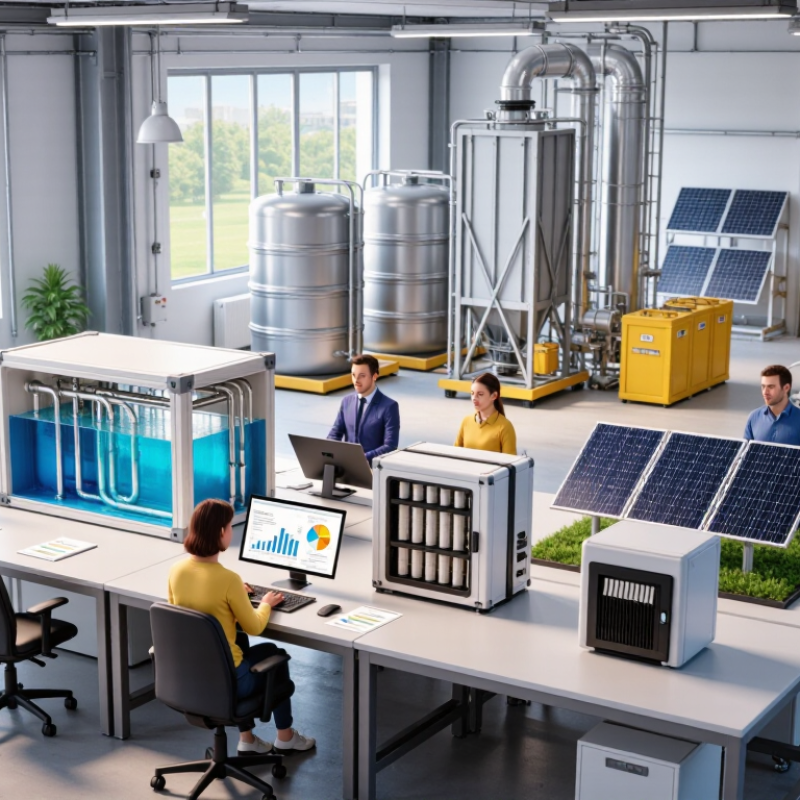
Environmental Protection Industry: Scope, Goals, and Core Applications
Environmental protection covers the systems that reduce pollution, conserve resources, and protect public health. Its scope includes wastewater treatment, air emission control, solid waste management, soil restoration, and environmental monitoring. Buyers should examine the complete process, from collection and treatment to safe disposal or reuse.
In field evaluations, practical details often reveal more than brochures. A wastewater unit may need stable flow control, corrosion-resistant materials, and easy access for sampling. Air treatment equipment should handle changing loads without creating excessive pressure loss. Sensors must provide traceable data, while operators need clear maintenance instructions. Measured performance is more reliable than projected performance.
The central goals are compliance, risk reduction, resource efficiency, and long-term resilience. Circular applications can recover water, heat, nutrients, or usable materials from waste streams. However, recovery is not automatically sustainable. It may require extra energy, transport, or chemical use. That trade-off deserves careful review. A pilot test can expose weaknesses before full installation. No system is flawless. Buyers should compare lifecycle costs, training needs, replacement parts, monitoring records, and verified results. Independent testing and documented operating experience can strengthen confidence.
Key Categories of Environmental Protection Solutions
Environmental protection buyers usually compare four solution categories: water treatment, air-quality control, waste recovery, and environmental monitoring. Water systems may include filtration, biological treatment, disinfection, and sludge management. The United Nations World Water Development Report estimates that over 80% of global wastewater is released without adequate treatment. Buyers should check removal rates, energy use, maintenance access, and verified discharge data. Start with evidence.
Air-quality solutions cover particulate filtration, gas treatment, emissions capture, and continuous monitoring. The World Health Organization reported in 2022 that 99% of the world’s population breathed air exceeding its recommended guideline levels. This figure shows the scale of demand, but equipment claims still require independent testing. A clean-looking exhaust stack proves little. Sensor calibration, operating temperature, and real-time alarms deserve close attention.
Waste solutions increasingly focus on sorting, reuse, composting, and material recovery. The Global E-waste Monitor 2024 recorded 62 million tonnes of electronic waste in 2022, while only 22.3% was documented as properly collected and recycled. Digital monitoring can connect waste volumes with transport records and treatment results. Yet software cannot repair weak site practices. Buyers should request lifecycle costs, repair histories, worker-safety procedures, and measurable environmental outcomes. Data can disappoint. A cheaper system may consume more energy, require frequent replacement, or create contaminated residues. That gap matters.
How to Assess Environmental Risks and Operational Needs
Environmental protection solutions should begin with a clear risk assessment, not a product list. Walk through the site during normal operations and record odors, dust, noise, leaks, and visible residue. Check storage areas after rain. Water can reveal problems. Review permits, inspection logs, incident reports, and maintenance records with the operating team. These documents show recurring weaknesses that a short visit may miss. Measure emissions, wastewater quality, energy use, and waste volumes where practical. Use calibrated instruments and document sampling dates, locations, and weather conditions. Small details matter.
Operational needs deserve equal attention. Ask how often equipment runs, who maintains it, and what happens during a power failure. A technically strong system may fail if filters are difficult to replace or alarms are ignored. Compare treatment capacity with peak production, not average output. Leave safe space for cleaning and future expansion. I have seen plans look efficient on paper but struggle beside a wet, crowded loading area. That experience changed how I judge accessibility. Cost matters, but downtime, training, spare parts, and disposal requirements matter too. No assessment is perfect. Recheck assumptions with operators before selecting controls, and record uncertainties honestly. A practical solution reduces exposure while fitting the site's real workflow.
Top Environmental Protection Industry Solutions for Buyers: How to Assess Environmental Risks and Operational Needs
Municipal solid waste generation is a practical screening indicator for evaluating waste-management demand, collection capacity, recycling infrastructure, and treatment needs across markets.
Data source: World Bank, What a Waste 2.0. Regional municipal solid waste generation estimates for 2016, measured in million tonnes per year. Buyers can use these figures as a market-screening reference before assessing local regulations, waste composition, collection coverage, and treatment requirements.
Criteria for Comparing Environmental Protection Technologies
Buyers should compare environmental technologies through evidence, not impressive brochures. Start with the pollutant, flow rate, temperature, and seasonal variation. A treatment unit designed for 100 cubic meters per hour may fail during storm peaks. Ask for pilot results from conditions resembling your site. Laboratory performance is useful, but field data carries greater weight.
Performance should be measured with consistent indicators. Check removal efficiency, outlet concentration, energy use, water demand, chemical consumption, and waste generation. Request raw monitoring data, test methods, calibration dates, and detection limits. Independent verification strengthens credibility. It also reveals uncertainty. A claimed 99 percent removal rate may depend on stable feed conditions. Compare results across several operating loads, not one attractive test.
Cost comparison needs a life-cycle view. Include installation, operator training, maintenance labor, replacement parts, disposal, and downtime. Examine noise, worker exposure, resilience, and compatibility with existing equipment. Digital controls can improve tracking, yet poor sensors create false confidence. I have seen projects prioritize purchase price and underestimate maintenance access. That judgment can change after one clogged filter. Buyers should also review permits, safety records, technical support, and emergency procedures. Some criteria remain difficult to quantify. Record those assumptions openly, then revisit them after six months of operation.
Steps for Selecting, Buying, and Implementing the Right Solution
Selecting an environmental protection solution starts with a measured problem, not a product brochure. Record current emissions, water use, waste volumes, and operating hours. Use at least three months of reliable data when possible. Identify the applicable discharge limits and reporting duties. Define the target clearly, such as reducing suspended solids by 30 percent. Include operators early. They understand daily obstacles that consultants may miss.
During purchasing, compare total ownership costs, not only the quoted price. Check energy demand, replacement parts, maintenance intervals, installation space, and staff requirements. Ask suppliers for verified performance data and references from similar facilities. Review test methods carefully. A claimed removal rate may not match your wastewater temperature or chemical balance. Request a site assessment and written acceptance criteria. A low-cost system can become expensive when service access is poor.
Implementation should begin with a controlled pilot and a practical schedule. Install monitoring points before commissioning, then record flow, pressure, energy use, and treatment results. Train operators with short procedures and clear emergency actions. Keep spare parts available. During one early project, our estimated maintenance time was too optimistic. That mistake changed the training plan and budget. Review results after thirty, sixty, and ninety days. Adjust settings only after checking reliable measurements.