Top Digital Solutions for Circular Economy Best Practices?
The concept of the Circular Economy is gaining traction as businesses seek sustainability. In a Circular Economy, resources are used efficiently and waste is minimized. According to the Ellen MacArthur Foundation, a transition to a Circular Economy could generate $4.5 trillion in economic growth by 2030.
Digital solutions play a crucial role in this transition. Data analytics, IoT, and blockchain technology are being adopted by companies to enhance resource efficiency. For example, McKinsey reports that companies leveraging digital tools can cut operational costs by 20% to 30%. However, adopting these technologies can be challenging. Companies must rethink their processes and may face resistance to change.
Despite these hurdles, the benefits of embracing a Circular Economy are clear. Not only does it lead to cost savings, but it also contributes to environmental preservation. As businesses navigate this landscape, learning from best practices is essential. The journey is complex, but the rewards are significant, both for the planet and for economic growth.

Understanding the Circular Economy: Concepts and Importance
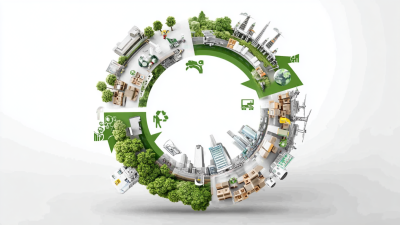
The concept of a circular economy represents a shift from the traditional linear model of production and consumption. In a circular system, resources are kept in use for as long as possible. This involves recycling, reusing, and reducing waste. The importance of this approach cannot be understated. It promotes sustainability, conserves resources, and minimizes environmental impact.
Understanding circular economy practices requires looking at real-world applications. For example, companies can design products for longevity and recyclability. This change can reduce the demand for new materials. Additionally, businesses can implement take-back schemes. These initiatives encourage customers to return products at the end of their life cycles.
**Tip:** Consider how your organization can adopt circular practices in its supply chain. The materials used should be renewable and sourced sustainably. Encourage a shift in consumer behavior by promoting second-hand products.
Reflecting on the circular economy also means acknowledging the challenges. Transitioning from a linear to a circular model requires significant adjustments in mindset. Many businesses struggle with the upfront investment needed for this transformation. The path is not straightforward, but the long-term benefits outweigh these initial hurdles.
**Tip:** Engage with stakeholders to raise awareness about the benefits of circularity. Education can inspire innovation and collaboration in this new economy. Building partnerships can facilitate resource sharing and enhance circular practices.
Digital Solutions for Circular Economy Best Practices
This bar chart illustrates the effectiveness percentages of various digital solutions that contribute to best practices in the circular economy. Each solution plays a significant role in promoting sustainability and resource efficiency.
Digital Solutions Enhancing Resource Efficiency in Circular Systems
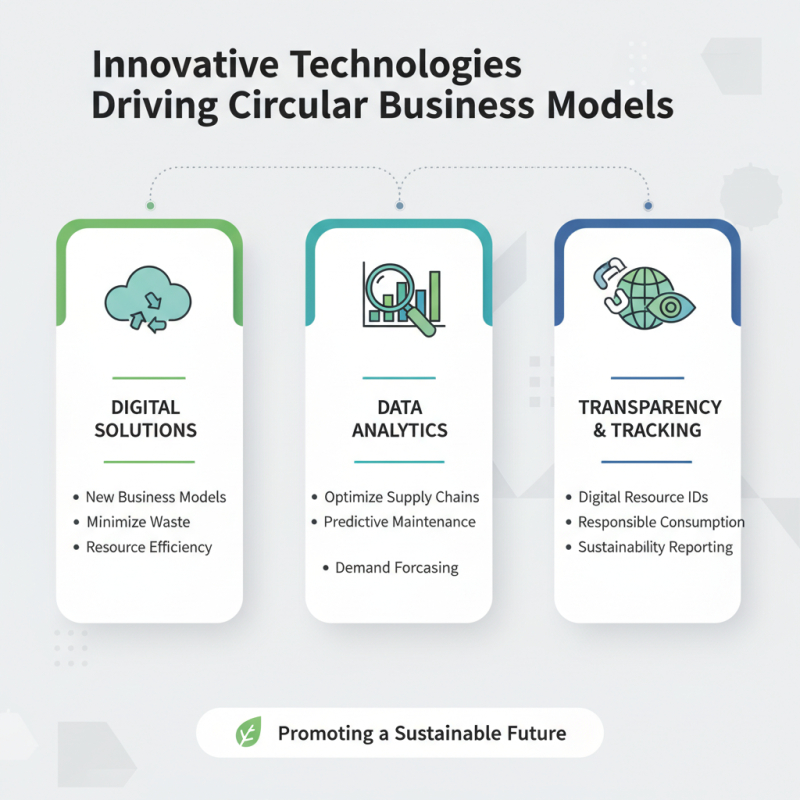
Digital solutions play a crucial role in fostering a circular economy. They enhance resource efficiency in various systems, allowing for better tracking and management of materials. One example is digital platforms that monitor the lifecycle of products. These platforms help businesses understand resource depletion and waste generation.
Data analytics is another powerful tool. It allows companies to predict usage trends and optimize resource allocation. By leveraging real-time data, firms can reduce surplus resources and identify areas for improvement. However, reliance on data may lead to overconfidence. This can result in insufficient exploration of alternative solutions.
Digital twin technology also offers invaluable insights. It creates a virtual model of physical assets, enabling simulations and scenario analyses. This helps organizations test different approaches before implementing changes. Yet, the complexity of such systems may overwhelm teams. Implementing these solutions requires continuous training and adaptation, which can be a challenge.
Case Studies of Successful Digital Practices in the Circular Economy
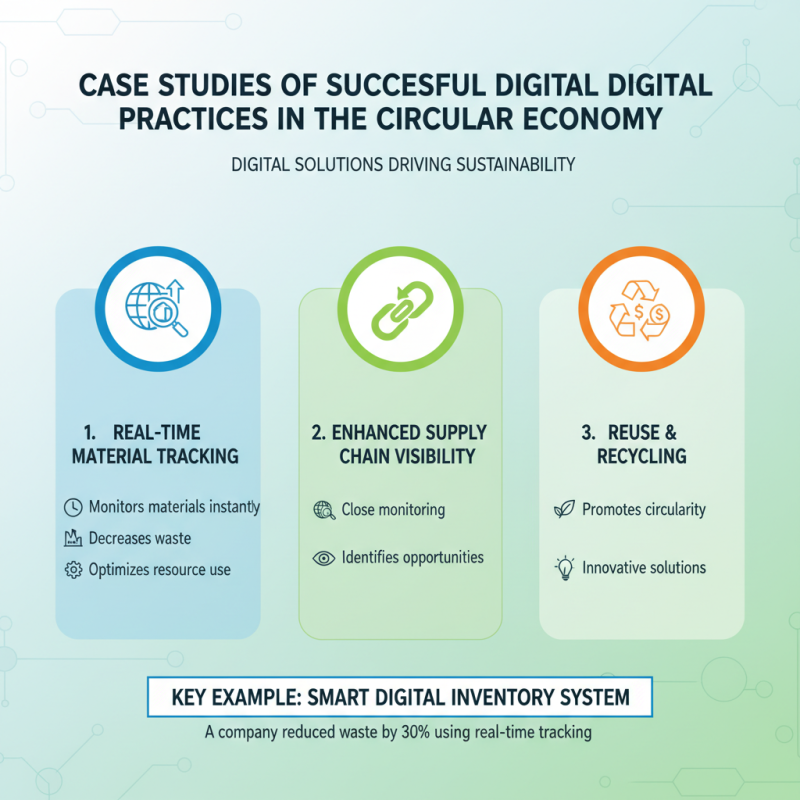
Digital solutions play a pivotal role in promoting circular economy practices. One notable example is a company that implemented a digital inventory management system. This system tracks materials in real time, decreasing waste and optimizing resource use. It allows businesses to monitor supply chains closely. As a result, they often identify opportunities for reuse or recycling.
Another compelling case involves a platform connecting local businesses with surplus products. This marketplace encourages sharing and repurposing items that would otherwise go to waste. Users engage through easy-to-navigate apps, fostering community ties while minimizing landfill contributions. Such initiatives reveal that digital tools can enhance sustainability efforts effectively.
However, not all digital solutions achieve success. Some implementations face resistance from employees or lack user engagement. These challenges highlight the need for continuous feedback and adaptation in digital strategies. Effective communication is crucial. It can help to bridge the gap between technology and user acceptance, ensuring that initiatives are relevant and truly circular.
Future Trends: Digital Transformation in Circular Economy Initiatives
Digital transformation is reshaping the circular economy landscape. Emerging technologies drive sustainability efforts, helping companies reduce waste. According to a recent report by the World Economic Forum, digitization could unlock $4.5 trillion in economic value by 2030 through improved resource efficiency.
Data analytics and IoT are key to optimizing processes in circular practices. For instance, predictive maintenance leads to extended product lifecycles. Companies can cut costs by up to 30% through smart management of resources. However, challenges remain, particularly in data privacy and integration.
The adoption of blockchain ensures transparency in product sourcing. It can trace materials in circular supply chains, enhancing trust in sustainable practices. While significant advancements have been made, many organizations still struggle with implementation. Bridging the gap between ambition and execution is essential for a successful transition into a circular economy.
Top Digital Solutions for Circular Economy Best Practices
| Digital Solution |
Description |
Benefits |
Challenges |
| Blockchain Technology |
Ensures transparency and traceability in supply chains. |
Reduces fraud, enhances trust among stakeholders. |
Scalability issues and regulatory concerns. |
| IoT Sensors |
Collect real-time data on resource use and waste generation. |
Improved efficiency and waste reduction. |
High initial setup costs and data security concerns. |
| Artificial Intelligence |
Optimizes resource management using predictive analytics. |
Enhanced decision-making and resource conservation. |
Requires quality data and significant upfront investment. |
| Lifecycle Assessment Tools |
Evaluate environmental impacts of products throughout their life cycle. |
Informed design choices that lead to sustainable products. |
Complex methodologies and data requirements. |
| Digital Twin Technology |
Creates a virtual model of physical assets for monitoring and analysis. |
Supports predictive maintenance and optimizes resource use. |
High complexity and integration challenges. |