




Leave Your Message
Global buying decisions now influence more than price, speed, and product quality. They shape working conditions, carbon emissions, water use, and community welfare. The Sustainable Development Goals give buyers a practical framework for examining these wider effects.
Ban Ki-moon, former United Nations Secretary-General, described them clearly: “The Sustainable Development Goals are a blueprint for a better and more sustainable future for all.” His statement remains useful for procurement teams. A buyer comparing two factories can examine energy records, wage policies, wastewater controls, and material origins. A product with recycled packaging may still involve unsafe labor or excessive transport emissions. Details matter.
This guide presents ten realistic tips for global buyers. It covers supplier screening, traceability, responsible materials, transport choices, and measurable reporting. Each tip connects purchasing activity with specific Sustainable Development Goals, including decent work, responsible consumption, climate action, and reduced inequality. Evidence should guide decisions. Buyers can request audit reports, certification numbers, production data, and corrective-action records. Marketing language alone is not enough.
Mistakes still happen.
A supplier may pass one audit and fail later. Data may be incomplete, especially across complex supply chains. Buyers should question impressive claims and review progress regularly. Sustainability also requires trade-offs. Air freight can protect urgent medical goods, while sea freight usually reduces emissions. The best decision depends on context, evidence, and impact. This introduction encourages careful judgment rather than perfect answers. Progress is measurable, but never automatic.
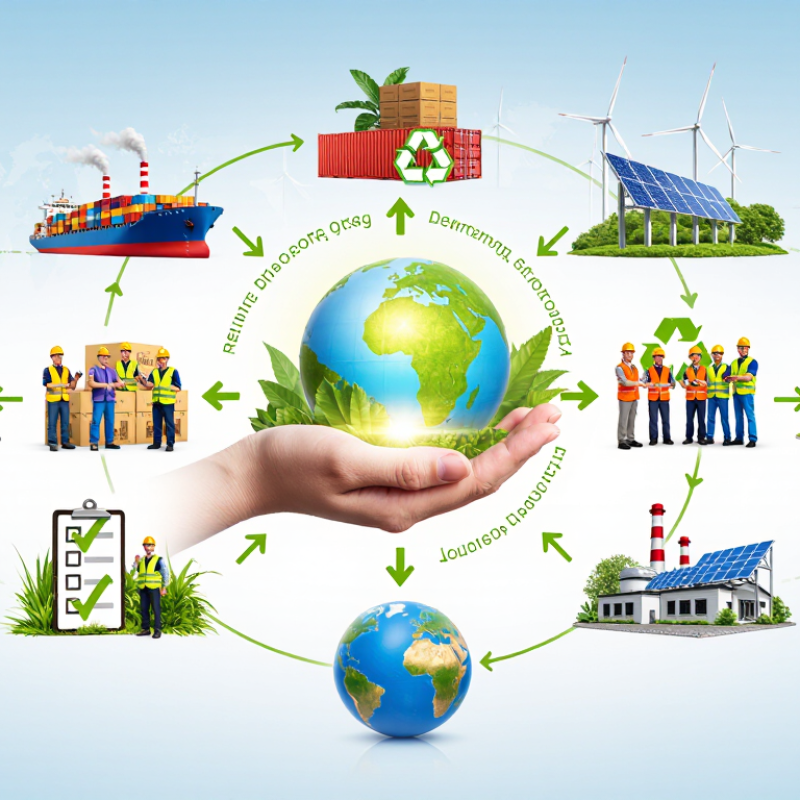
Understanding the Sustainable Development Goals in global purchasing means turning broad targets into daily buying decisions. Buyers can connect supplier evaluations with responsible production, decent work, climate action, clean water, and reduced inequality. A practical review should examine energy use, wages, workplace safety, packaging, transport, and material origins. Ask suppliers for dated records, clear policies, and measurable improvement plans. Marketing claims alone are weak evidence.
Tips for global buyers: Add SDG-related questions to every supplier questionnaire. Request audit reports, emissions data, and worker-safety records. Check whether certificates match the actual production site. Compare lifecycle costs, not only the lowest quotation. Include local environmental and social conditions in your assessment. Keep documentation for later verification.
Supplier performance often improves when expectations are specific. For example, require monthly energy readings or photographs of wastewater controls. Set realistic deadlines for corrective actions. Speak with production teams when possible, not only sales representatives. Independent audits can help, but they cannot replace ongoing monitoring. A supplier may pass an audit and still struggle during peak seasons.
No scorecard is perfect. Smaller suppliers may lack polished data but show genuine progress. Large suppliers may provide impressive reports with limited factory-level evidence. Buyers should record these uncertainties and review them regularly. Responsible purchasing is not a single approval decision. It is a continuing process of checking evidence, discussing weaknesses, and adjusting requirements.
| No. | Relevant SDG | Global Purchasing Tip | Recommended Buyer Actions | Useful Performance Indicators | Documentary Evidence |
|---|---|---|---|---|---|
| 1 | SDG 1 No Poverty |
Consider how purchasing decisions affect vulnerable workers and small producers. | Use fair payment terms, avoid excessive purchasing volatility, and include smaller qualified suppliers in sourcing opportunities. | Average payment period; percentage of spend with small and medium-sized enterprises; supplier retention rate. | Payment records, supplier-size data, responsible sourcing policy, and supplier assessment results. |
| 2 | SDG 2 Zero Hunger |
Promote resilient and responsible food supply chains where food products are purchased. | Assess agricultural sourcing risks, reduce avoidable food loss, and favor suppliers that protect soil, water, and biodiversity. | Food loss rate; percentage of agricultural suppliers assessed for environmental and social risks; traceability coverage. | Traceability records, farm or supplier assessments, food-waste measurement, and production standards. |
| 3 | SDG 3 Good Health and Well-Being |
Include product safety, occupational health, and public-health impacts in supplier selection. | Set minimum safety requirements, review hazardous-material controls, and require corrective action for serious incidents. | Recordable incident rate; safety audit completion; percentage of products meeting applicable safety requirements. | Safety data sheets, product test reports, audit findings, and corrective-action records. |
| 4 | SDG 5 Gender Equality |
Use procurement to support equal opportunity and prevent gender-based discrimination. | Add non-discrimination requirements, evaluate women-owned or women-led suppliers where relevant, and protect worker grievance channels. | Share of suppliers with gender-equality policies; workforce gender-disaggregated data; resolved grievance cases. | Equal-opportunity policies, workforce data, grievance procedures, and independent assessment reports. |
| 5 | SDG 6 Clean Water and Sanitation |
Evaluate water use and wastewater risks across water-intensive supply chains. | Identify water-stressed locations, require legal wastewater management, and prioritize efficient production processes. | Water withdrawal per unit of output; wastewater compliance rate; percentage of high-risk sites with water plans. | Water-use records, discharge permits, laboratory results, and site water-risk assessments. |
| 6 | SDG 7 Affordable and Clean Energy |
Reduce energy-related impacts in purchased goods, services, and logistics. | Request energy-consumption data, specify efficiency requirements, and consider verified renewable-electricity options where feasible. | Energy intensity; renewable-energy share; emissions per purchased unit or shipment. | Utility records, energy certificates, product specifications, and logistics emissions data. |
| 7 | SDG 8 Decent Work and Economic Growth |
Make decent work and fundamental labor rights part of supplier qualification. | Prohibit forced labor and child labor, require safe working conditions, and avoid contract terms that encourage excessive overtime. | Percentage of suppliers accepting labor standards; audit closure rate; working-hours and wage compliance. | Supplier code of conduct, labor audits, worker interviews, payroll records, and remediation plans. |
| 8 | SDG 12 Responsible Consumption and Production |
Apply life-cycle thinking and sustainable procurement principles throughout the purchasing process. | Specify durable, repairable, reusable, recyclable, or lower-impact options and include sustainability criteria in tender scoring. | Sustainable-procurement spend; recycled or renewable material share; product life; waste diverted from disposal. | Technical specifications, life-cycle assessments, recycled-content evidence, and procurement evaluations. |
| 9 | SDG 13 Climate Action |
Use purchasing decisions to reduce greenhouse-gas emissions and strengthen supply-chain resilience. | Measure relevant Scope 3 categories, request emissions information, reduce unnecessary transport, and assess climate risks at critical suppliers. | Purchased-goods and services emissions; transport emissions; supplier climate-risk coverage; emissions-reduction progress. | GHG inventories, emission factors, shipment data, climate-risk assessments, and reduction plans. |
| 10 | SDG 16 & SDG 17 Strong Institutions and Partnerships |
Build transparent, ethical, and collaborative purchasing relationships across borders. | Use anti-corruption controls, disclose conflicts of interest, share clear requirements, and engage suppliers in improvement programs. | Training completion; reported and resolved integrity cases; supplier engagement rate; corrective-action completion. | Conflict-of-interest declarations, ethics training records, tender documentation, grievance logs, and joint action plans. |
Reference framework: United Nations Sustainable Development Goals and their official targets, including SDG 12.7 on sustainable public procurement.