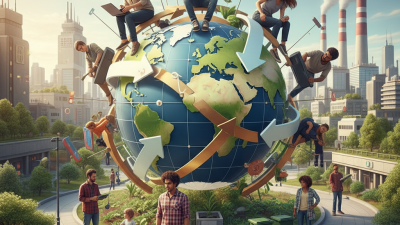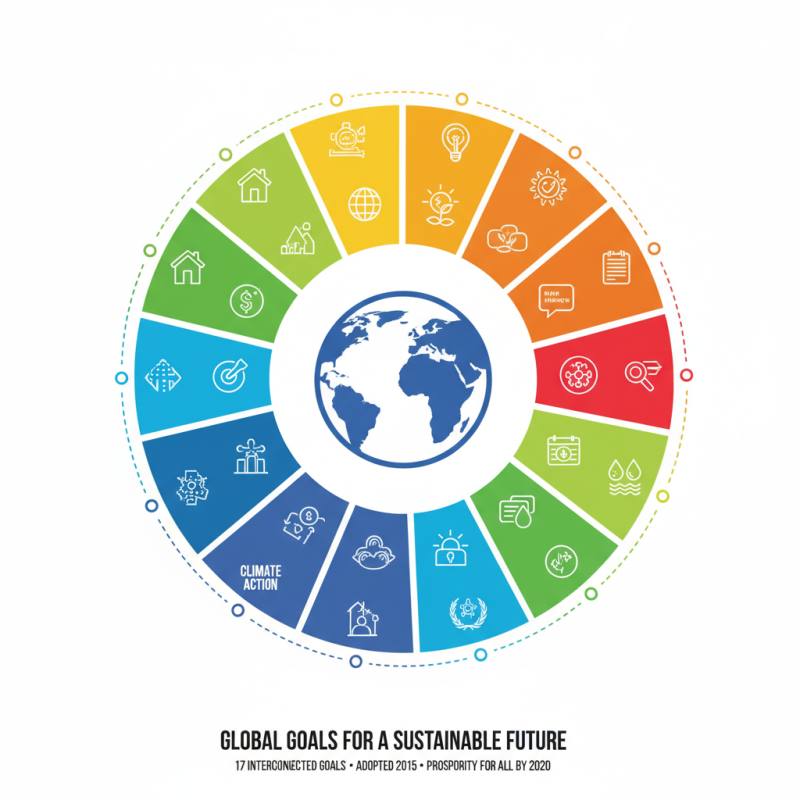



Sustainable Development Goals (SDGs) represent a global agenda for a better future. Adopted by the United Nations in 2015, these 17 goals aim to address pressing issues. They cover poverty, education, gender equality, and climate action.
SDGs are crucial for creating a sustainable world. They encourage nations to work together. Each goal has specific targets, making them measurable. However, many challenges remain. Not all countries prioritize SDGs equally. Some lack the resources to implement them fully.
The importance of SDGs goes beyond statistics. They connect people and ecosystems. Achieving these goals requires collective effort and innovation. Reflection is necessary. Are we doing enough? These goals remind us of our shared responsibility for future generations.
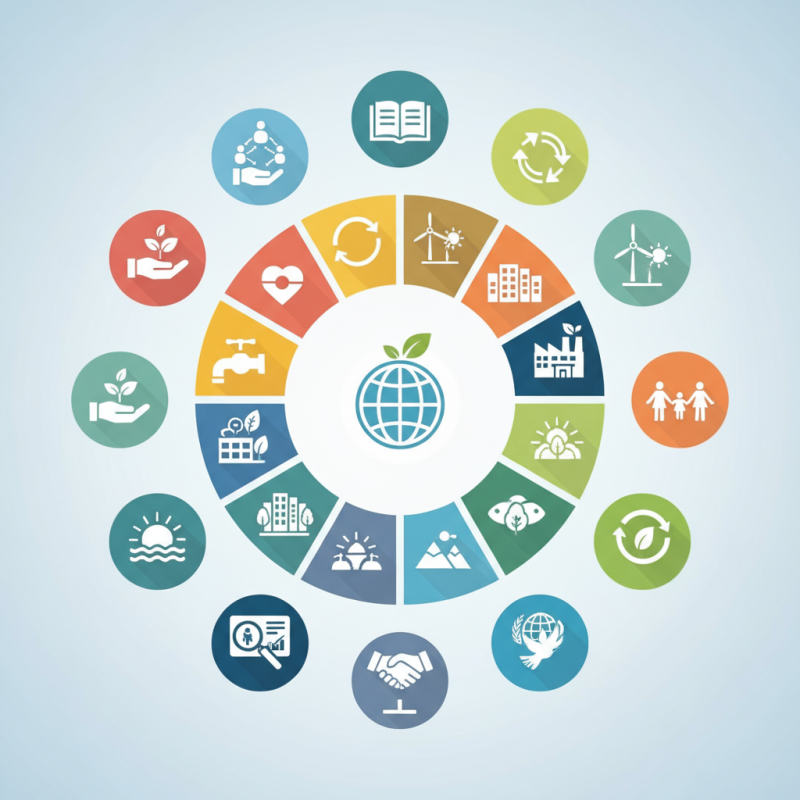
Sustainable Development Goals (SDGs) encompass a universal call to action. Adopted by the United Nations in 2015, these 17 goals aim to improve global well-being. They tackle issues like poverty, inequality, and climate change.
The SDGs provide a clear framework for nations. A report by the UN indicates that achieving these goals could boost the global economy by $12 trillion annually. However, despite their importance, progress remains uneven. For instance, as of 2020, over 700 million people still live in extreme poverty.
Tips for engaging with the SDGs: Start locally. Support initiatives in your community that align with these goals. Educate others on sustainability. Remember, every small action contributes to a broader impact. Collaboration is key. Join groups advocating for change. Reflect on your personal habits. Are they aligned with sustainable practices?
Staying informed is crucial. Regularly check on the latest reports related to the SDGs. Many organizations publish valuable data and insights that can guide your understanding. The journey toward sustainability involves continuous learning and adaptation.
Sustainable Development Goals (SDGs) emerged from the United Nations in 2015. They represent a universal call to action. The SDGs aim to address various global challenges. These include poverty, inequality, and climate change. The historical context of SDGs is rooted in decades of development efforts. Many previous initiatives laid groundwork but often fell short.
In 1972, the United Nations Conference on the Human Environment was a significant milestone. It marked the first time nations discussed global environmental issues. Later, the Brundtland Report in 1987 introduced the concept of sustainable development. This idea emphasized meeting present needs while safeguarding future generations. These discussions built a foundation for the SDGs.
Tips for personal action: Reflect on your lifestyle. Consider reducing plastic use or conserving energy. Each small step contributes to broader goals. Acknowledge the challenges in implementing these solutions. Change takes time and often faces resistance. It’s crucial to engage with your community. Share ideas and inspire others to participate. Building awareness is key to achieving the SDGs.
The Sustainable Development Goals (SDGs) consist of 17 objectives aimed at creating a better world by 2030. These goals target various global challenges, including poverty, inequality, and environmental degradation. For instance, one of the key objectives is to end poverty in all its forms. This sounds straightforward, yet millions still struggle daily.
Another crucial target is to ensure quality education for all. Despite significant progress, many children lack access to basic literacy and numeracy skills. This gap highlights systemic issues in education systems and the need to adapt our approaches. Additionally, combating climate change is a priority. We see extreme weather and environmental destruction all around us. Mentality shifts toward sustainability are essential, yet society often falls back into old habits.
Gender equality is also a critical objective. Women and girls worldwide still face discrimination and violence. Achieving equality requires societal changes, starting with grassroots movements. Reflecting on these targets reveals not only ambitions but also the long journey ahead. Each goal unveils complexities that must be addressed thoughtfully. The SDGs challenge us to consider how our actions impact the collective future.
| Goal | Description | Key Targets |
|---|---|---|
| 1. No Poverty | End poverty in all its forms everywhere. | Target 1.1: Eradicate extreme poverty. Target 1.2: Reduce poverty by half. |
| 2. Zero Hunger | End hunger, achieve food security and improved nutrition. | Target 2.1: End hunger. Target 2.2: End all forms of malnutrition. |
| 3. Good Health and Well-being | Ensure healthy lives and promote well-being for all at all ages. | Target 3.1: Reduce maternal mortality. Target 3.2: End epidemics. |
| 4. Quality Education | Ensure inclusive and equitable quality education and promote lifelong learning opportunities for all. | Target 4.1: Ensure all youth achieve literacy. Target 4.2: Access to quality early childhood development. |
| 5. Gender Equality | Achieve gender equality and empower all women and girls. | Target 5.1: End discrimination. Target 5.2: Eliminate violence against women and girls. |
| 6. Clean Water and Sanitation | Ensure availability and sustainable management of water and sanitation for all. | Target 6.1: Universal access to safe water. Target 6.2: Access to adequate and equitable sanitation. |
| 7. Affordable and Clean Energy | Ensure access to affordable, reliable, sustainable and modern energy for all. | Target 7.1: Universal access to energy. Target 7.2: Increase share of renewable energy. |
| 8. Decent Work and Economic Growth | Promote inclusive and sustainable economic growth, employment and decent work for all. | Target 8.1: Sustained economic growth. Target 8.5: Full and productive employment. |
| 9. Industry, Innovation and Infrastructure | Build resilient infrastructure, promote inclusive and sustainable industrialization and foster innovation. | Target 9.1: Develop quality, reliable infrastructure. Target 9.5: Enhance research and upgrade technological capabilities. |
| 10. Reduced Inequalities | Reduce inequality within and among countries. | Target 10.1: Achieve and sustain income growth. Target 10.2: Empower and promote social, economic and political inclusion. |
The Sustainable Development Goals (SDGs) are a vital framework for global development. Adopted in 2015, they consist of 17 interconnected goals aimed at ending poverty and ensuring prosperity for all by 2030. These goals tackle pressing social, economic, and environmental challenges, making them essential for the future of humanity.
Focusing on SDGs encourages nations to work together. They promote equitable and inclusive development, ensuring no one is left behind. However, progress has been uneven. Some countries are lagging, with poverty and inequality still rampant. It’s crucial to address these disparities explicitly. The challenge lies in balancing economic growth with environmental sustainability. Too often, development projects ignore ecological impacts. This oversight can lead to long-term challenges, such as climate change and resource depletion.
Moreover, engaging local communities is essential for progress. Many goals require grassroots involvement for effective implementation. Yet, sometimes, the voices of marginalized groups are overlooked. This can create tensions and hinder efforts. Reflecting on our approach to these goals is necessary. We must ask ourselves: Are we truly inclusive? Are we measuring success in holistic terms? The journey towards sustainable development is ongoing and requires constant reflection and adaptation.
Sustainable Development Goals (SDGs) are crucial for addressing global challenges. However, achieving these goals is fraught with difficulties. The United Nations reports that more than 700 million people still live in extreme poverty. The disparity in wealth and opportunities presents a significant obstacle. Gender inequality compounds this issue, limiting women's participation in decision-making.
There are opportunities for innovation and collaboration. For instance, investing in renewable energy can create jobs and reduce carbon emissions. A report by the International Renewable Energy Agency states that transitioning to renewables could create 24 million jobs by 2030. This shift can drive economic growth and help achieve several SDGs simultaneously.
Tips: Focus on community involvement. Engage local leaders who understand unique challenges. Encourage youth participation in sustainability projects. Their fresh perspectives can inspire new solutions. Reflect on the current approaches, as they may need reevaluation and adjustment to align with local realities. Every contribution counts, regardless of its size.