How to Start a Career in the Environmental Protection Industry and Make an Impact
As the world faces escalating environmental challenges, the demand for professionals in the environmental protection industry continues to grow. This surge not only creates job opportunities but also fosters a new generation of environmental stewards committed to making a meaningful impact. Dr. Jane Goodall, a leading figure in environmental conservation, once stated, "What you do makes a difference, and you have to decide what kind of difference you want to make." Her words resonate deeply in the context of starting a career in this vital sector.
Entering the environmental protection industry requires a combination of passion, education, and strategic planning. Individuals can pursue various pathways—from working with nonprofits focused on sustainability to engaging with governmental agencies aimed at enforcing environmental regulations. The industry is diverse, with roles in research, policy development, conservation, and community engagement, allowing aspiring professionals to align their skills and interests with urgent ecological needs.
Ultimately, a career in the environmental protection industry is not just about securing a job; it's about contributing to the preservation of our planet for future generations. With the right guidance and commitment, anyone can embark on this rewarding journey and play a crucial role in safeguarding our environment for years to come.
Understanding the Environmental Protection Industry and Its Importance
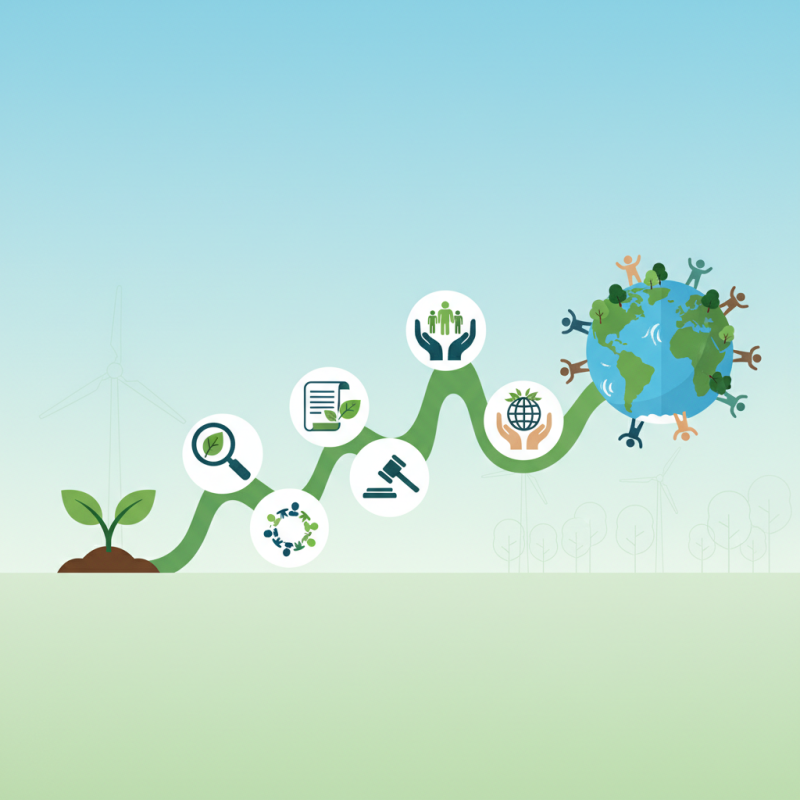
The environmental protection industry plays a pivotal role in addressing the pressing challenges posed by climate change, pollution, and biodiversity loss. At its core, this industry encompasses various sectors dedicated to preserving natural resources, promoting sustainable practices, and ensuring a healthier planet for future generations. With the growing awareness of environmental issues, there is an increasing demand for professionals who can drive change and implement effective solutions. This industry not only focuses on conservation and restoration but also emphasizes the importance of educating communities and creating policies that support sustainable development.
In understanding the significance of the environmental protection industry, it becomes clear that it not only benefits the ecosystem but also enhances human health and well-being. Clean air, water, and unpolluted soils directly impact quality of life, making environmental safeguards crucial for societal welfare. Moreover, this sector fosters innovation, leading to the development of green technologies and practices that reduce our ecological footprint. As more individuals and organizations recognize the urgency of environmental conservation, the opportunity to pursue a career in this field offers the chance to make a meaningful impact on both the environment and society at large.
Key Skills and Education Required for Careers in Environmental Protection
To embark on a career in the environmental protection industry, it's essential to equip yourself with a specific set of skills and educational background. A strong foundation in environmental science is often beneficial, as it provides a solid understanding of ecosystems, conservation, and sustainability practices. Many professionals in this field hold degrees in environmental studies, biology, or related disciplines, but there are also opportunities for those with expertise in engineering, geography, or public policy. Advanced degrees or certifications can further enhance your qualifications and expand your career prospects.
In addition to formal education, key skills are crucial for success in the environmental protection sector. Strong analytical abilities are necessary for assessing environmental impacts and developing effective solutions. Communication skills are equally important, as you will need to convey complex scientific information to a diverse audience, including policymakers, stakeholders, and the public. Furthermore, problem-solving skills enable you to tackle real-world challenges, while teamwork and collaboration are essential for working on multidisciplinary projects. Gaining practical experience through internships or volunteer work can also provide valuable insights into the field and help you build a professional network.
Analyzing Job Opportunities and Growth Trends in Environmental Careers
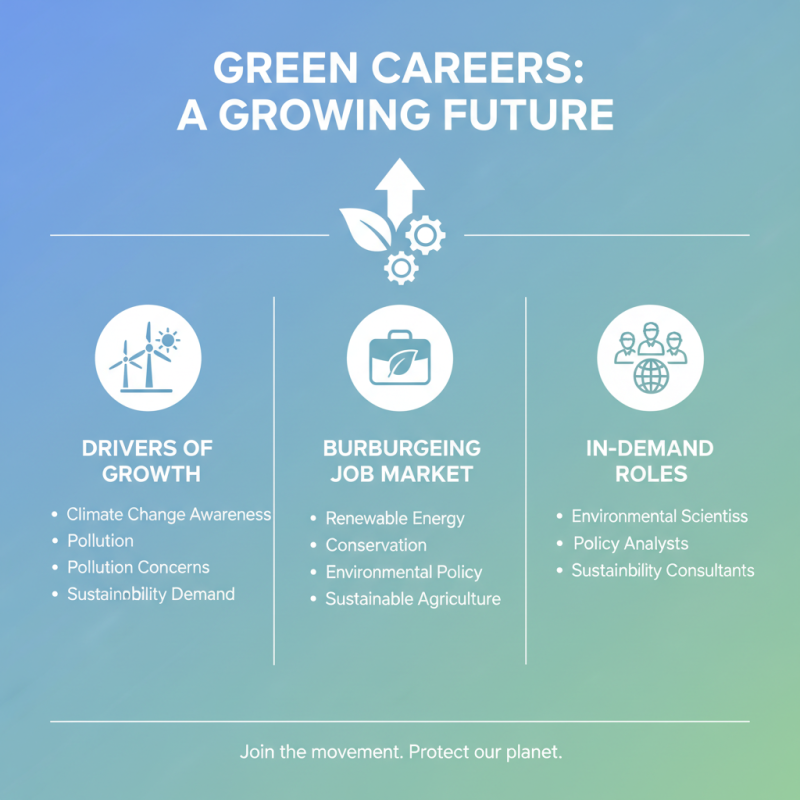
The environmental protection industry is experiencing significant growth, driven by increasing awareness of climate change, pollution, and sustainability issues. Job opportunities are burgeoning across various sectors, from renewable energy and conservation to environmental policy and sustainable agriculture. Professionals with expertise in these areas are in high demand, as organizations and governments strive to implement effective environmental strategies. As a result, individuals looking to enter this field can expect a vibrant job market with a diverse range of positions, including environmental scientists, policy analysts, and sustainability consultants.
Growth trends indicate a shift towards green technologies and practices, suggesting that the skills in demand will increasingly require a combination of scientific knowledge and technological proficiency. Educational backgrounds in environmental science, engineering, or policy are becoming vital, along with practical experience through internships or volunteer projects. Additionally, the rise in corporate sustainability initiatives is opening pathways for environmental advocates in the corporate sector, thereby expanding the scope of careers in environmental protection. As demand continues to rise, professionals willing to adapt and learn will find ample opportunities to make meaningful contributions to the protection and preservation of our planet.
Building a Professional Network in the Environmental Protection Field
Building a strong professional network is crucial for anyone looking to start a career in the environmental protection industry. First, connecting with individuals already established in the field can provide valuable insights and guidance. Attend conferences, workshops, and seminars focused on environmental issues to meet like-minded professionals. By engaging in discussions and sharing experiences, you can gain knowledge about industry trends, job opportunities, and best practices. Additionally, volunteering for environmental organizations can expand your network while allowing you to contribute to causes you care about.
Moreover, leveraging online platforms is essential for cultivating connections. Join professional associations and social media groups dedicated to environmental protection topics. Participate actively in discussions, share relevant articles, and showcase your expertise. These platforms not only facilitate networking but also keep you informed about current developments and emerging roles within the field. Building relationships through consistent engagement opens doors to mentorship opportunities, internships, and even job referrals, ultimately enhancing your career prospects in the environmental protection sector.
How to Start a Career in the Environmental Protection Industry and Make an Impact
| Career Path |
Required Qualifications |
Skills Needed |
Potential Impact |
| Environmental Scientist |
Bachelor's degree in Environmental Science or related field |
Analytical skills, problem-solving, research |
Conducting research to inform policy and conservation strategies |
| Conservation Biologist |
Master’s degree in Biology or Ecology |
Fieldwork, data collection, teamwork |
Protecting biodiversity and managing species populations |
| Environmental Policy Analyst |
Bachelor's degree in Public Policy, Environmental Policy |
Critical thinking, communication, statistical analysis |
Influencing governmental and organizational policies for sustainability |
| Sustainability Consultant |
Bachelor's in Environmental Science, Business, or related field |
Project management, strategic planning, communication |
Helping organizations to reduce their environmental impact |
| Environmental Educator |
Bachelor's in Education or Environmental Studies |
Public speaking, curriculum development, enthusiasm for teaching |
Raising awareness and educating on environmental issues |
Navigating Certifications and Specializations for Advancing Your Career
To excel in the environmental protection industry, obtaining the right certifications and specializing in areas of interest can significantly boost your career prospects. Certifications not only enhance your knowledge and skills but also demonstrate your commitment to potential employers. Common certifications such as the Certified Environmental Professional (CEP) or the Leadership in Energy and Environmental Design (LEED) accreditation are valuable assets. These credentials often require a mix of practical experience and education, ensuring that you have a solid foundation in environmental practices.
Tips for pursuing certifications include thoroughly researching the requirements for each certification you’re interested in. Understand the specific skills and knowledge areas that are emphasized, and consider how they align with your career goals. Networking within professional organizations can provide insights into which certifications are most recognized and valued in the industry, helping you make informed decisions.
Additionally, consider specializing in a specific subsector such as sustainable development, environmental policy, or waste management. Creating a niche for yourself in these areas can set you apart from other candidates. Engaging in volunteer opportunities or internships in your chosen specialization can offer hands-on experience and make your resume stand out. By focusing on both certifications and targeted specializations, you can effectively navigate your career in the environmental protection industry and create a meaningful impact.
Environmental Protection Industry Career Paths
This chart illustrates the projected number of job openings for various career paths in the environmental protection industry by 2025. It highlights opportunities in roles such as Conservation Scientist, Environmental Engineer, and more, showcasing the industry's growth and the need for qualified professionals.