How to Source Fly Ash for Sustainable Construction Projects?
The Fly Ash Industry plays a critical role in sustainable construction. With the global push for eco-friendly building materials, fly ash has become a popular choice. According to the American Concrete Institute, the use of fly ash can reduce the carbon footprint of concrete by 30 to 50%. This recycled material enhances the performance and durability of concrete structures.
However, sourcing quality fly ash remains a challenge. Variability in properties can affect concrete quality, requiring rigorous testing and standards. Reports indicate that many suppliers do not meet industry specifications, leading to potential setbacks in construction projects.
Moreover, the environmental impact of transporting fly ash must be considered. Long-distance transportation can negate its sustainability benefits. As the Fly Ash Industry evolves, stakeholders must prioritize local sourcing and ensure material quality. This critical balance will help achieve the ambitious goals of sustainable construction.
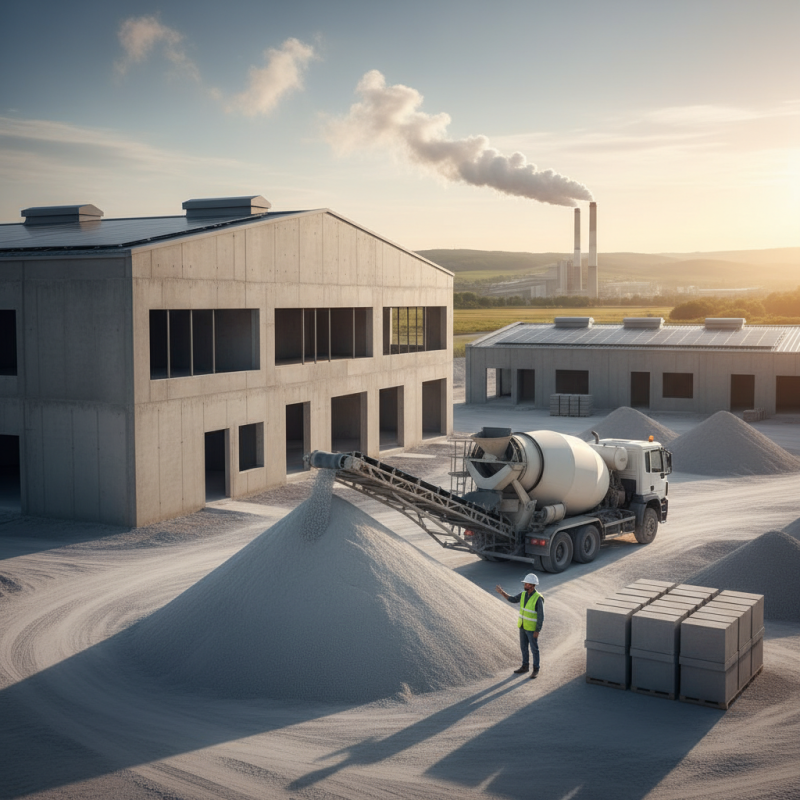
Understanding Fly Ash and Its Role in Sustainable Construction
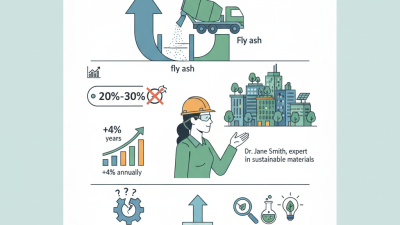
Fly ash is a byproduct from burning pulverized coal in electric power generating plants. This material plays an essential role in sustainable construction. It helps reduce carbon emissions and enhances concrete's strength and durability. According to the American Concrete Institute, replacing cement with fly ash can decrease greenhouse gas emissions by up to 20%. Furthermore, utilizing this material can lower energy consumption during concrete production.
One important aspect of sourcing fly ash involves understanding its classification. Class F and Class C fly ash are the main types used in construction. Class F is produced from sub-bituminous or anthracite coals, while Class C results from lignite or sub-bituminous coals. The unique properties of these classes contribute differently to concrete performance. However, the availability of quality fly ash can vary significantly based on geographical location, requiring careful sourcing.
Tips for sourcing fly ash effectively include establishing partnerships with local power plants. Collaborate with suppliers who maintain quality standards. Conduct regular testing to ensure the fly ash meets necessary engineering specifications. Additionally, staying updated with regulations regarding fly ash use will foster more sustainable practices in your projects. Remember, every project has constraints. The source of fly ash might not always be perfect or consistent, leading to potential variability in concrete performance. Addressing these inconsistencies is crucial for achieving optimal results.
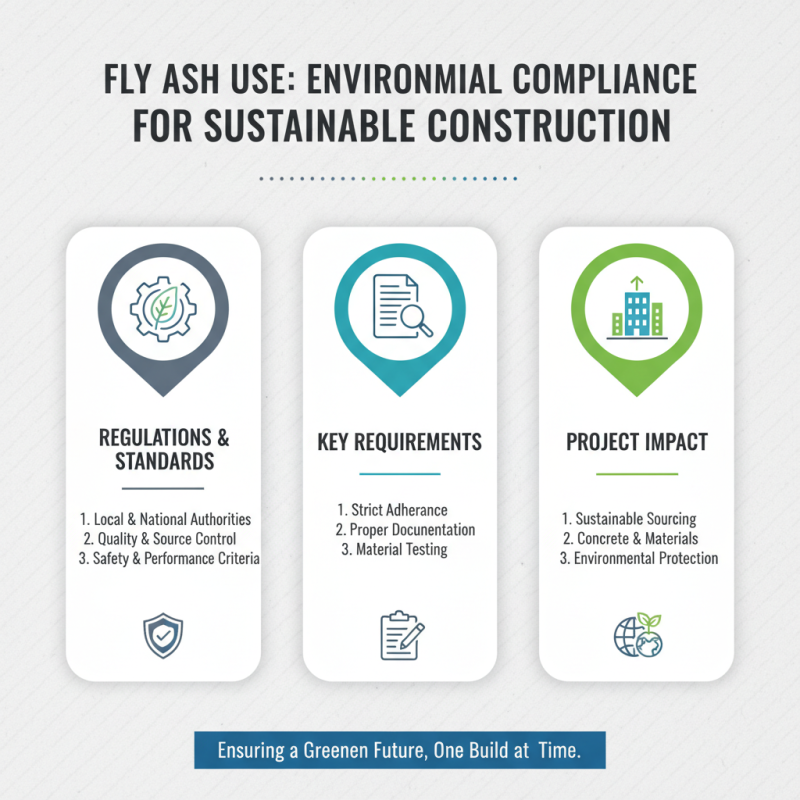
Fly Ash Usage in Sustainable Construction Projects
Identifying Reliable Sources of Fly Ash for Construction Projects
Identifying reliable sources of fly ash is crucial for sustainable construction projects. Fly ash is a byproduct of coal combustion. It is used as a partial replacement for cement, reducing the carbon footprint. According to the American Concrete Institute, using fly ash can lower greenhouse gas emissions by 20-30%. However, sourcing it requires careful consideration.
Engaging with local power plants can be an effective way to access fly ash. Establishing close relationships ensures consistent supply and quality. It's important to check if the fly ash meets ASTM C618 standards. This guarantees the material's suitability for construction use. Additionally, visiting potential suppliers can provide valuable insights into their production processes.
Moreover, reviewing reports from industry organizations can offer guidance. For instance, the National Ready Mixed Concrete Association states that more than 50% of concrete mixes now contain fly ash. However, regional variability in quality can pose challenges. Conducting tests on collected samples is essential to ensure performance properties meet project requirements. Accurate documentation of the ash’s source and quality is crucial for compliance and sustainability goals.
How to Source Fly Ash for Sustainable Construction Projects?
| Source Type |
Location |
Quality Grade |
Availability (tons/year) |
Certification |
| Power Plant A |
Location 1 |
Class F |
50,000 |
ASTM C618 |
| Power Plant B |
Location 2 |
Class C |
30,000 |
EU Directive 2008/98/EC |
| Power Plant C |
Location 3 |
Class F |
70,000 |
BS EN 450-1 |
| Recycling Facility D |
Location 4 |
Class C |
20,000 |
AASHTO M 295 |
| Power Plant E |
Location 5 |
Class F |
40,000 |
IS 3812 |
Evaluating the Quality and Composition of Sourced Fly Ash
Evaluating the quality and composition of fly ash is crucial for sustainable construction. Not all fly ash is created equal, and sourcing it from the right facilities can significantly impact project results. When assessing fly ash, consider its chemical composition. Key components include silicon dioxide (SiO2), aluminum oxide (Al2O3), and iron oxide (Fe2O3). The proportions of these materials determine the effectiveness of fly ash in enhancing concrete properties.
Another important factor is the physical characteristics of the fly ash. Fineness and specific surface area affect workability and strength. Fly ash with a higher fineness can improve the bonding in concrete mixtures. Additionally, you might encounter fly ash with variable moisture content. This can influence the mixing process and overall performance in construction applications.
Identifying reliable suppliers also matters. Not all sources maintain stringent quality controls. Ensure you request test reports and certifications from suppliers. Evaluate their processes to confirm that they collect and process fly ash responsibly. Consider referencing industry standards for guidance. This approach helps mitigate risks of using subpar materials, ensuring the sustainability of your construction project.
Strategies for Integrating Fly Ash into Concrete Mixes
Integrating fly ash into concrete mixes offers numerous benefits, including improved sustainability. It replaces a portion of Portland cement, reducing carbon emissions. Fly ash enhances concrete durability and workability, making it a popular choice in eco-friendly construction.
When sourcing fly ash, ensure it meets ASTM specifications. Testing the material for quality is essential. Consider the source, as fly ash can differ in composition. Local sources can simplify logistics, reducing transportation emissions. Collaborating with local suppliers can also help ensure consistent quality.
Tips: Always require a mix design incorporating fly ash for optimal results. Monitor the properties of the concrete during mixing and curing periods. Adjust the water-cement ratio based on the fly ash content to maintain performance.
Integrating fly ash requires careful consideration. Some projects may struggle with variability in fly ash properties. Therefore, conducting trial mixes and evaluating the concrete’s performance is crucial. This reflection can lead to adjustments in sourcing or mix design, ensuring the final product meets quality standards.