How to Rejuvenate Lithium Batteries for Longer Life?
Lithium batteries are essential for our daily lives, powering everything from smartphones to electric vehicles. However, over time, they can lose capacity and become less efficient. This decline often leads to early replacements, generating unnecessary waste. The concept of Lithium Battery Rejuvenation offers a promising solution.
Rejuvenation techniques aim to restore the battery's original performance. These methods can extend the lifespan of lithium batteries significantly. Many users are unaware of the options available to them. Creating awareness is critical. Techniques can range from simple charging practices to more advanced refurbishment methods. Yet, not all approaches guarantee success. Some may require trial and error.
Investing time in understanding effective rejuvenation techniques is essential. This might involve researching, experimenting, and even seeking professional help. It is a journey with ups and downs. However, patience and perseverance can yield rewarding results. By exploring Lithium Battery Rejuvenation, users can mitigate the environmental impact while enjoying enhanced battery longevity.

Understanding Lithium Battery Chemistry and Aging Process
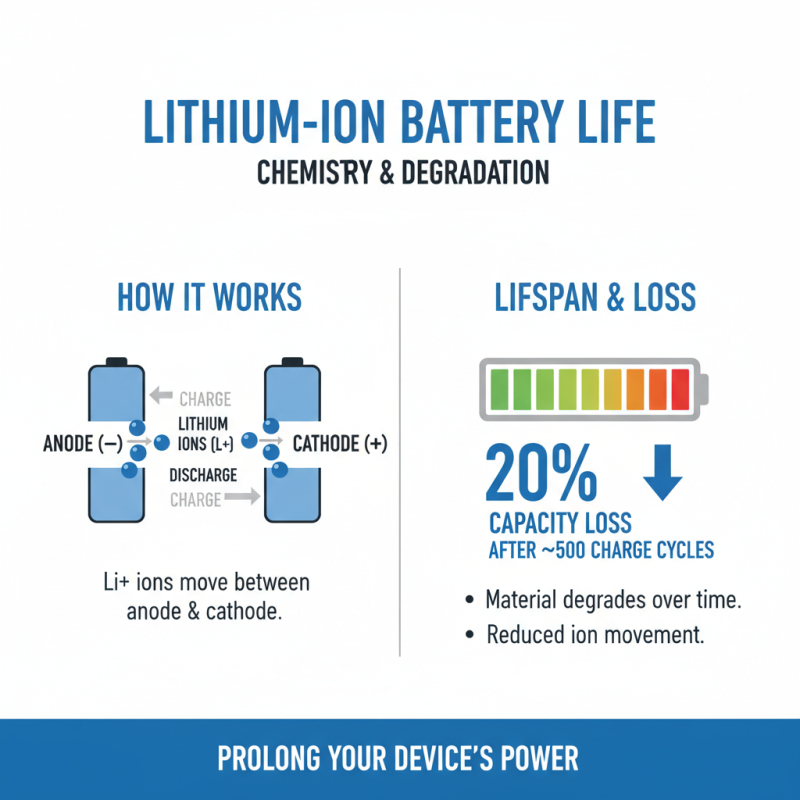
Lithium batteries have transformed the way we power our devices. Understanding their chemistry is crucial to prolonging their lifespan. Lithium-ion batteries rely on lithium ions moving between the anode and cathode. Over time, this movement leads to material degradation and capacity loss. Studies show that, on average, these batteries lose about 20% of capacity after 500 charge cycles.
One major factor in battery aging is temperature. Higher temperatures accelerate chemical reactions, causing faster degradation. The ideal charging temperature is typically around 20°C (68°F). Keeping your battery in cooler environments can help. Regularly check battery health using available diagnostic tools.
**Tip:** Avoid frequent deep discharges. Keeping the battery between 20% and 80% charge can extend its life.
Another element is the charge rate. Fast charging generates heat and accelerates aging. It’s often better to use slower chargers, allowing for efficient ion movement without excessive heat.
**Tip:** Use power-saving modes on devices. These modes often optimize battery usage and reduce stress on lithium cells.
Being aware of these factors is essential for maximizing battery performance. Adjusting usage habits can yield significant benefits. Be mindful, though—no method wholly prevents aging.
Common Signs of Degradation in Lithium Batteries
Lithium batteries are commonly used in our devices. Over time, they show signs of degradation. Recognizing these signs is crucial for extending battery life.
One common sign is reduced capacity. If you notice your device draining faster, it may indicate battery wear. Another signal is swelling. A swollen battery can be dangerous. Look for unusual shapes or bulges. Charging issues can also arise. If your device takes longer to charge, there's likely an underlying problem.
**Tips:**
Use your battery regularly. Allow it to discharge and recharge fully. This practice helps recalibrate the battery. Avoid extreme temperatures. Heat can accelerate degradation. Keeping devices in cooler places can improve battery lifespan.
Keeping an eye on these signs can help manage battery health. Take time to monitor your devices. Learn to recognize when your battery needs care. Maintenance requires effort but pays off in longevity.
How to Rejuvenate Lithium Batteries for Longer Life?
This chart demonstrates the common signs of degradation in lithium batteries over time. The data illustrates how capacity decreases and internal resistance increases as batteries age, highlighting the importance of battery maintenance for longevity.
Methods to Revive Lithium Batteries: Tips and Tricks
Lithium batteries are a common power source in various devices. Over time, these batteries lose capacity. This degradation can be frustrating. However, several methods can help revive them and extend their life.
One effective method involves the use of a deep cycle process. This entails completely discharging the battery and then fully recharging it. Regular cycling helps recalibrate the battery management system. According to a study by the Battery University, such cycling can improve overall battery efficiency by up to 20%. Emphasizing the charging environment is also crucial. Keeping batteries at temperatures between 20-25°C can slow down deterioration significantly.
Another technique is to periodically perform a “refresh” charge. This involves charging the battery to around 50% and storing it. Batteries kept at this level tend to maintain their health better over time. Furthermore, using a quality charger can prevent detrimental overcharging. Optimal practices suggest avoiding deep discharges, as a consistent pattern can lead to reduced lifespan. Reflecting on these practices can lead to a more sustainable and effective usage of lithium batteries.
How to Rejuvenate Lithium Batteries for Longer Life?
| Method |
Description |
Effectiveness |
Cautions |
| Partial Charging |
Charge the battery to about 50-80% capacity to extend its lifespan. |
High |
Avoid charging to full capacity regularly. |
| Temperature Management |
Keep batteries at a moderate temperature, ideally between 20-25°C. |
Very High |
Avoid exposing to extreme temperatures. |
| Deep Discharge |
Occasionally fully discharge the battery to recalibrate it. |
Moderate |
Do not do this too frequently. |
| Storage Practices |
Store batteries at about 50% charge in a cool, dry place. |
Very High |
Keep away from moisture and heat. |
| Use of Smart Chargers |
Use a smart charger to prevent overcharging and optimize charging cycles. |
High |
Ensure the charger is compatible with lithium batteries. |
Best Practices for Maintaining Battery Health and Longevity
Maintaining lithium battery health is crucial for longevity. Regular checks and proper handling can greatly extend battery life. Here are some tips to consider.
One way to maintain battery health is to avoid extreme temperatures. High heat can degrade battery cells quickly. Keep your devices in a shaded spot when not in use. Avoid exposing them to freezing conditions as well. This applies to all gadgets that use lithium batteries.
Charging practices also play a significant role. Don’t let the battery drop to 0%. Aim to recharge it when it falls below 20%. Try to use slow charging methods when possible. Fast charging can lead to overheating, which damages the battery over time. Balance is key.
Store your lithium batteries properly. If you're not using them for an extended period, charge them to about 50%. This prevents deep discharge, which can render them unusable. Not all batteries are the same, so do some research on the best practices for your specific type.
When to Replace Lithium Batteries: Recognizing Limitations and Risks
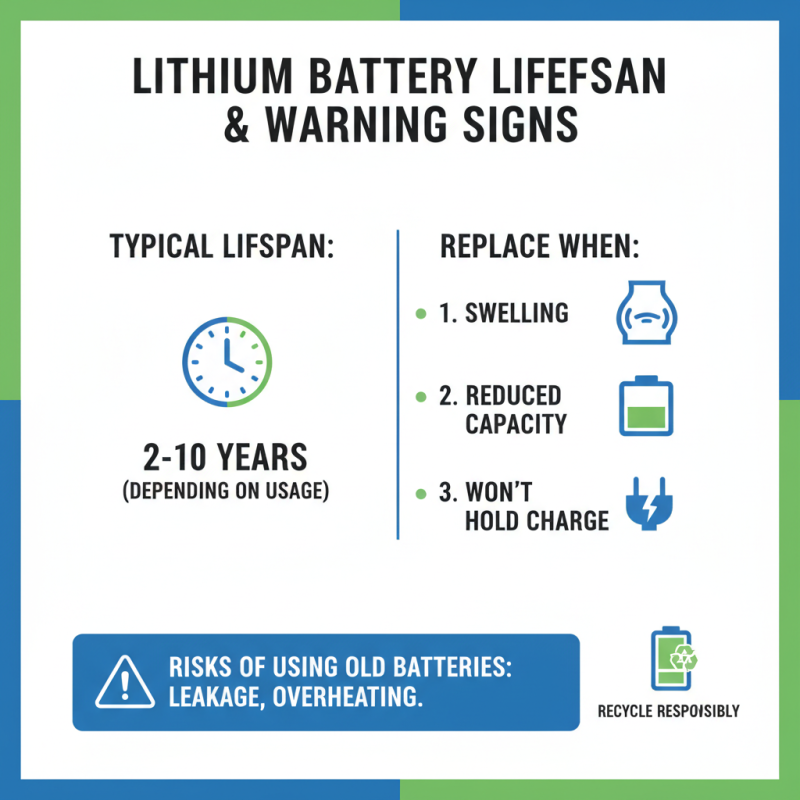
When it comes to lithium batteries, understanding their limitations is critical. Typically, these batteries can last between 2 to 10 years, depending on usage. It’s important to recognize the signs of wear. Swelling, reduced capacity, or an inability to hold a charge can indicate it's time to replace them. Relying on a battery beyond its lifespan can lead to risks, including potential leakage or overheating.
Battery performance diminishes with time. A study found that after 300-500 charge cycles, lithium batteries lose about 20% of their original capacity. Regular monitoring can help identify when they begin to fail. A battery that visibly swells or leaks is a definite red flag. Safety should always come first. Do not take these signs lightly.
Tips: Store batteries in a cool, dry place. Avoid extreme temperatures. Charge batteries regularly, but do not overcharge them. Keeping them in optimal conditions can extend their life. Remember, every battery has its limits. Be proactive in recognizing these signs to maintain your devices safely.