What is the Fly Ash Industry and How Does it Impact Construction?
The Fly Ash Industry plays a vital role in modern construction. This industry focuses on the reuse of byproducts from coal combustion. According to Dr. Emily Carter, a leading expert in sustainable building materials, "Fly ash contributes significantly to both structural integrity and environmental sustainability."
Incorporating fly ash into concrete reduces waste and improves durability. However, not all fly ash is created equal. Variations in composition can impact performance. The construction sector faces challenges in ensuring consistent quality. Some projects have reported issues linked to inadequate fly ash quality.
The Fly Ash Industry must adapt and innovate. More research is necessary to standardize specifications. The emphasis should remain on balancing performance and sustainability. As the industry grows, professionals need to address these complexities. Understanding the nuances of fly ash is essential for future advancements in construction.
Overview of the Fly Ash Industry
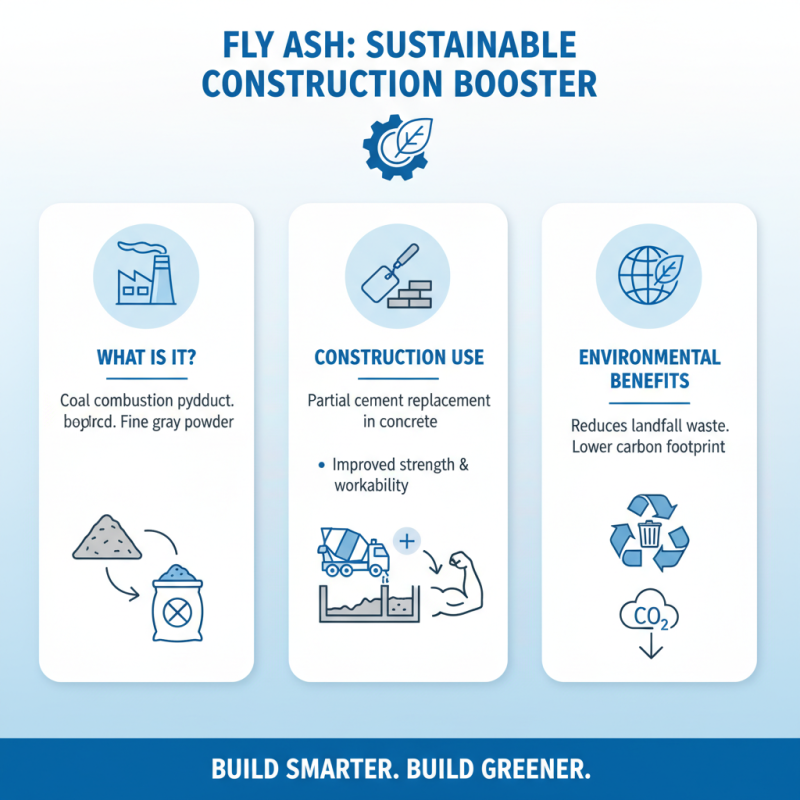
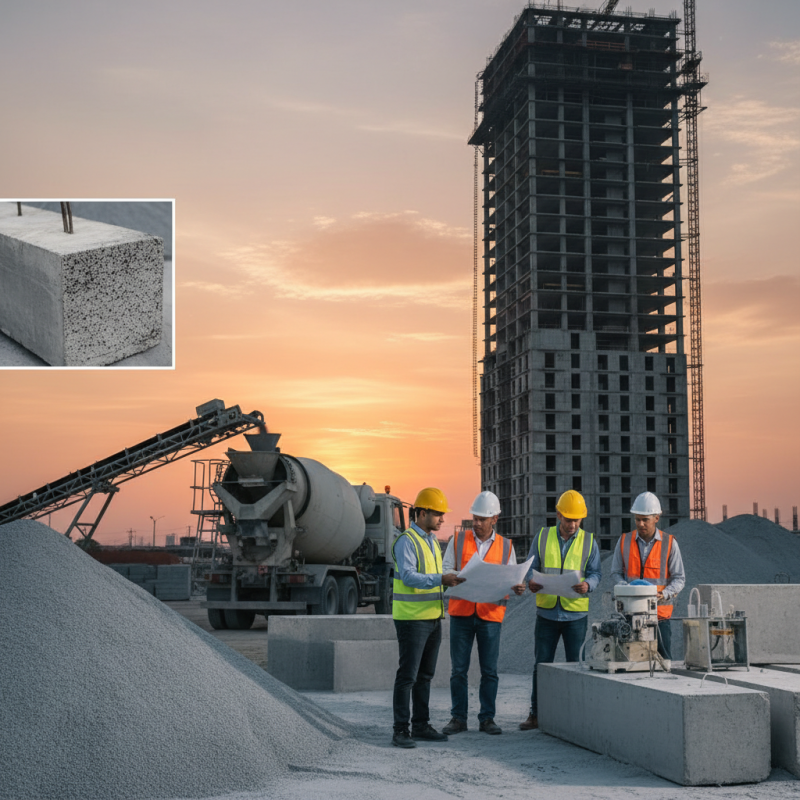
The fly ash industry plays a crucial role in the construction sector. Fly ash is a byproduct of burning pulverized coal in power plants. It's a fine, gray powder that can be used as a partial replacement for Portland cement in concrete. This substitution improves concrete properties such as workability and strength. Using fly ash not only enhances quality but also reduces environmental impact. It diverts waste from landfills, which is essential for sustainable building.
However, the industry is not without challenges. Quality control of fly ash can be inconsistent. Variability in chemical composition affects concrete performance. Some regions may struggle with sourcing high-quality fly ash, leading to reliance on lesser materials. Additionally, there is a concern about the potential for heavy metals in fly ash. These factors require careful consideration during construction. Proper testing and standards need to be maintained for safe use.
The growth of the fly ash industry reflects the construction sector's shift toward sustainability. Many construction companies are exploring innovative uses for fly ash. It’s exciting to see new applications, but caution is necessary. The potential benefits must be balanced against environmental risks. As the industry evolves, continuous improvements and regulations will be vital.
Composition and Properties of Fly Ash
Fly ash is a byproduct of burning pulverized coal in electric power plants. It consists mainly of fine particles that rise with flue gases. This material has a unique composition, including silica, alumina, and iron. Its chemical properties allow it to enhance concrete strength. However, not all fly ash is the same. Variations in its composition can lead to inconsistent results. This variability requires careful testing for quality assurance in construction.
The physical properties of fly ash play a significant role in its effectiveness. It can improve the workability of concrete mixtures. When used properly, it reduces water consumption. This makes concrete more sustainable. Nonetheless, challenges exist. Some fly ash may contain harmful elements, which can leach into the environment. Construction teams must be vigilant. They need to source fly ash responsibly, ensuring it meets safety standards. Each project presents an opportunity to learn and adapt, as issues with fly ash may arise more often than anticipated.
Applications of Fly Ash in Construction
Fly ash is a byproduct from burning coal in electric power plants. It has become an essential material in the construction industry. Its unique properties enhance the quality and durability of concrete. Fly ash provides improved workability and reduces water demand in concrete mixes.
In construction, fly ash is mainly used as a partial replacement for Portland cement. This substitution helps in reducing greenhouse gas emissions. It also leads to lower heating costs and less energy consumption. Moreover, structures made with fly ash concrete often display better resistance to sulfate attack and chloride penetration.
However, there are challenges to consider. The variation in fly ash properties can affect concrete's performance. Not all fly ash is created equal; some sources may contain contaminants. Therefore, proper testing is crucial before its use in critical applications. A careful approach can maximize benefits while ensuring safety and compliance.
Benefits of Using Fly Ash in Building Materials
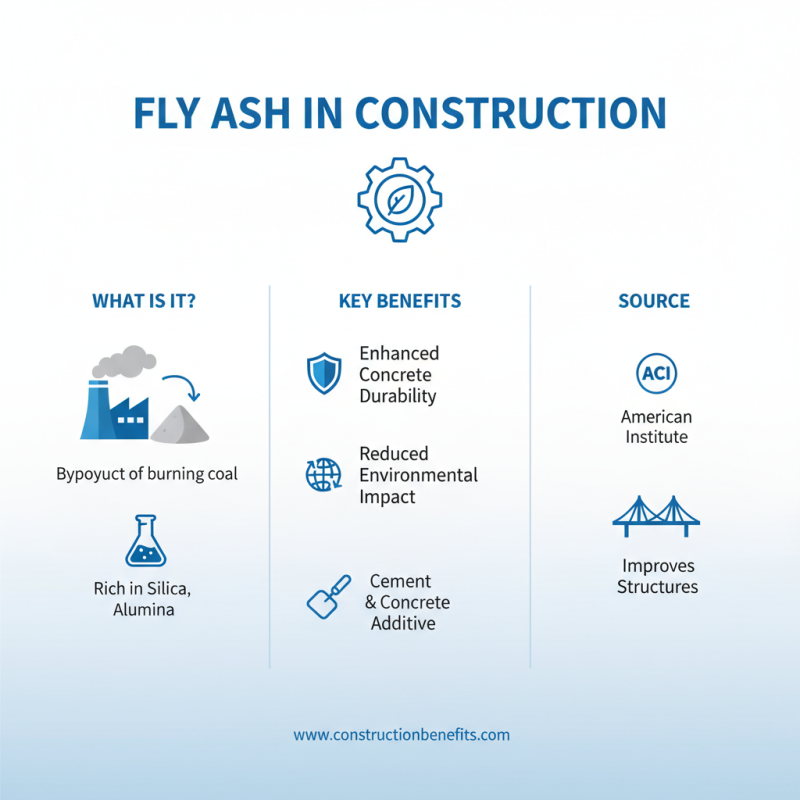
The use of fly ash in construction has gained attention for its numerous benefits. Fly ash is a byproduct from burning coal in power plants. It is rich in silica, alumina, and other compounds, making it a valuable additive in cement and concrete production. According to the American Concrete Institute, using fly ash can enhance the durability of concrete structures while reducing the overall environmental impact.
Fly ash can significantly improve workability. It allows for easier mixing and placing of concrete. Projects incorporating fly ash often experience lower water requirements. This can lead to less cracking, shrinkage, and porosity in finished products. A study by the U.S. EPA indicates a 20%-30% reduction in greenhouse gas emissions when substituting cement with fly ash.
Tips: Consider using fly ash in high-performance concrete projects. It can also help increase compressive strength over time. However, not all fly ash is the same. Quality can vary, so reliable sourcing is essential. Regular tests can ensure the fly ash meets necessary standards. Look for local suppliers that provide certified materials for best results. Embracing fly ash means committing to sustainable and efficient building practices.
Environmental Impact of Fly Ash Utilization
Fly ash is a byproduct from burning coal in power plants. It is often used in construction materials like concrete. When utilized properly, fly ash can enhance durability and reduce material costs. However, the environmental impact of fly ash raises concerns. It contains heavy metals and harmful substances that can leach into soil and water.
The use of fly ash in construction can lower carbon emissions. It reduces the need for Portland cement, which is energy-intensive to produce. Using fly ash can help conserve natural resources and minimize landfill waste. But not all fly ash is created equal. Variability in composition can lead to unpredictable results in concrete performance. This inconsistency can sometimes compromise structural integrity.
The long-term effects of fly ash on the environment are still being studied. While it can reduce waste and improve concrete longevity, potential risks must be managed. Regular monitoring of its impact is crucial. Stakeholders should prioritize research to ensure safe use. Balancing benefits and risks is essential for a sustainable future in construction.