How to Effectively Manage Solid Waste: Best Practices in Treatment Industry
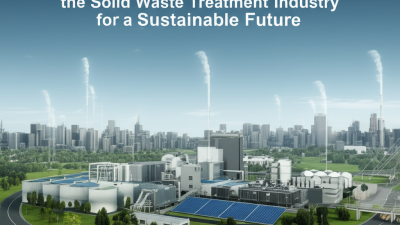
In today's rapidly evolving world, the effective management of solid waste has become a critical concern for both environmental sustainability and public health. The Solid Waste Treatment Industry plays a pivotal role in ensuring that waste is handled, processed, and disposed of in a manner that minimizes negative impacts on our ecosystems. As urbanization and population growth continue to increase the volume of solid waste generated, finding best practices within this industry is essential.
This introduction discusses the importance of robust waste management strategies that not only focus on the technical aspects of treatment but also emphasize the incorporation of innovative approaches and community engagement. By exploring the best practices in the Solid Waste Treatment Industry, we aim to highlight effective methods that can lead to improved recycling, waste reduction, and sustainable disposal solutions. Emphasizing collaboration among stakeholders, advancements in technology, and educational initiatives will pave the way toward a more responsible and efficient waste management framework, ultimately contributing to a cleaner and healthier environment for future generations.
Understanding Solid Waste: Definition and Types
Solid waste refers to any discarded material that is no longer in use, encompassing a wide range of substances generated from domestic, industrial, and commercial activities. The term can be broadly classified into several categories based on its origin and composition. Municipal solid waste (MSW) includes everyday items such as food scraps, paper, cardboard, plastics, and glass, primarily produced by households and communities. Industrial solid waste, on the other hand, is generated from industrial processes and may include materials such as scrap metal, construction debris, and hazardous waste.
Understanding the types of solid waste is crucial for effective management and treatment strategies. Organic waste, which consists of biodegradable materials, can be composted to create nutrient-rich soil amendments. In contrast, recyclable waste such as metals and plastics can be processed and reused, reducing the demand for new raw materials. Additionally, hazardous waste poses significant risks to human health and the environment, necessitating specialized handling and disposal techniques. Recognizing these distinctions helps in implementing best practices in waste management, ultimately leading to a more sustainable and efficient solid waste treatment industry.
Solid Waste Management: Types and Their Proportions
The Importance of Solid Waste Management in Modern Society
The importance of solid waste management in modern society cannot be overstated, especially in the context of rapid urbanization and population growth. According to the World Bank, global solid waste generation is expected to increase from 2.01 billion tons in 2016 to 3.4 billion tons by 2050. This staggering growth underscores the urgent need for effective waste management strategies, as improper handling of waste can lead to significant environmental and health challenges. Well-managed waste streams reduce pollution, conserve resources, and mitigate the adverse impacts of accumulated waste on ecosystems and human populations.
Moreover, solid waste management plays a critical role in promoting sustainable practices within communities. Effective waste treatment and recycling can significantly reduce landfill use, which not only conserves land but also lowers greenhouse gas emissions. A report from the EPA indicates that recycling and composting prevented the release of approximately 186 million metric tons of carbon dioxide equivalent into the air in 2013, demonstrating the tangible benefits of adopting responsible waste management practices.
As society moves toward circular economy models, the integration of robust solid waste management systems will be crucial to ensuring that resources are utilized efficiently and responsibly, ultimately fostering a cleaner, healthier environment for future generations.
Best Practices for Waste Collection and Sorting
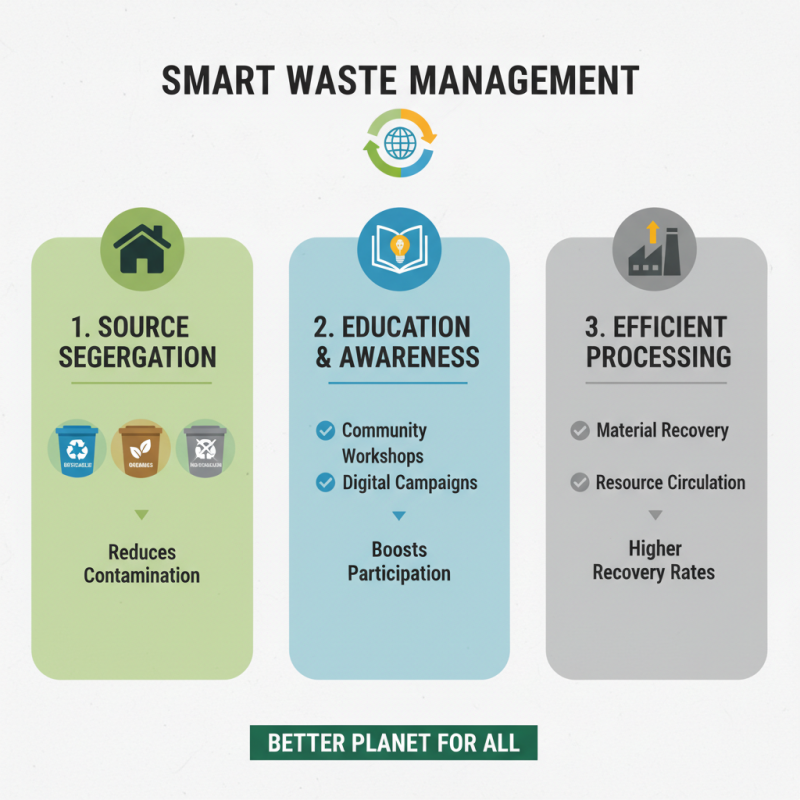
Effective waste collection and sorting is crucial in managing solid waste efficiently. One of the best practices in this area is the implementation of a well-structured segregation system at the source. By encouraging households and businesses to separate waste into different categories—such as recyclables, organics, and non-recyclables—it reduces contamination and facilitates more effective processing. Educational initiatives that inform the community about the importance of proper sorting can significantly improve participation rates and compliance, ultimately leading to better recovery rates of materials.
Moreover, the adoption of technology can enhance the efficiency of waste collection and sorting operations. Utilizing smart bins equipped with sensors can help track waste levels in real-time, allowing for optimized collection routes and schedules. Additionally, automated sorting systems in recycling facilities can increase the speed and accuracy of material separation, minimizing the reliance on manual labor. Investing in training for personnel to handle sorting effectively is also essential, as skilled workers can better identify materials, reducing errors and contamination. Collectively, these practices contribute to a more sustainable waste management system and promote a circular economy.
Innovative Treatment Methods for Solid Waste Disposal
Innovative treatment methods for solid waste disposal are essential in addressing the growing challenges associated with waste management. Among the most effective strategies is waste-to-energy (WTE) technology, which converts non-recyclable waste materials into usable energy, such as electricity or heat. This process not only reduces the volume of waste sent to landfills but also provides a renewable energy source, contributing to a more sustainable waste management system. Advanced incineration techniques, which employ high-efficiency combustion, further minimize emissions and enhance energy recovery, making WTE a viable option for urban centers burdened by waste accumulation.
Another promising method is anaerobic digestion, a biological process that breaks down organic material in the absence of oxygen. This technique produces biogas, a renewable energy source that can be utilized for heating or electricity generation, while also resulting in nutrient-rich digestate that can be used as fertilizer. By harnessing the energy potential of organic waste, communities can effectively divert a significant portion of their solid waste from landfills and reduce greenhouse gas emissions. Moreover, integrating this method within local waste management practices fosters a circular economy by promoting resource recovery and minimizing environmental impact.
Evaluation and Monitoring of Waste Management Systems
Effective evaluation and monitoring of waste management systems are critical for improving the overall efficiency and sustainability of solid waste management. According to the Global Waste Management Outlook report by UN Environment, around 2.01 billion metric tons of municipal solid waste are generated annually, with at least 33% of that not managed in an environmentally safe manner. This highlights the necessity for robust monitoring systems that can provide accurate data to inform waste management practices. Implementing technology-driven solutions, such as Geographic Information Systems (GIS) and real-time data monitoring, can significantly enhance the ability to track waste generation and disposal patterns.
Moreover, performance indicators play a vital role in assessing the effectiveness of waste management systems. The European Commission suggests utilizing various indicators including waste collection rates, recycling rates, and landfill diversion rates to gauge progress. Regular audits and assessments based on these metrics can enable municipalities and waste management authorities to identify inefficiencies and areas for improvement. For instance, a study by the World Bank emphasizes that cities that actively monitor their waste flows can achieve up to a 20% reduction in waste generation through targeted awareness campaigns and improved recycling initiatives. These data-driven approaches ensure that waste management systems can adapt to changing waste profiles and enhance resource recovery efforts.