Top Tips for Effective Sludge Dewatering Process?
In the world of wastewater treatment, Sludge Dewatering plays a crucial role. This process reduces the volume of sludge, making it easier to handle and dispose of. Efficient dewatering can lead to significant cost savings and environmental benefits. However, achieving effective sludge dewatering is not always straightforward.
Many factors affect the dewatering process. The choice of equipment, the type of sludge, and operational parameters all have an impact. Sometimes, even small adjustments can lead to better results. Yet, facilities often overlook these details. They may rely on outdated methods or ignore emerging technologies. This can hinder progress and lead to unnecessary challenges in waste management.
It is essential to focus on continuous improvement. Analyzing the current dewatering strategies can help identify weaknesses. Understanding these flaws can pave the way for better practices. Emphasizing optimization in Sludge Dewatering is key to achieving sustainability goals. The right approach can transform a complex process into a more straightforward, efficient task.
Best Practices for Choosing Sludge Dewatering Technologies
Choosing the right sludge dewatering technology can significantly impact operational efficiency. According to a report by the Water Environment Federation, effective dewatering can reduce waste volume by up to 90%. This not only lowers disposal costs but also enhances the recovery of valuable resources.
When selecting sludge dewatering methods, consider the specific characteristics of the sludge. For instance, thickened sludge requires different handling than digested sludge. If the sludge has high organic content, technologies like screw presses may be more suitable. Also, the operational capacity should match peak flows. Overestimating capacity can lead to inefficiency, while underestimating can cause operational failures.
It’s essential to analyze the entire treatment process. One must evaluate energy sources and maintenance requirements. Many facilities overlook hidden costs in energy consumption and downtime. Regular assessments and adjustments to the chosen technology can drive improvements. Therefore, not every technology works perfectly right away. Careful planning is crucial for optimizing the sludge dewatering process. Monitoring performance metrics can highlight areas for improvement.
Understanding the Mechanisms of Sludge Dewatering
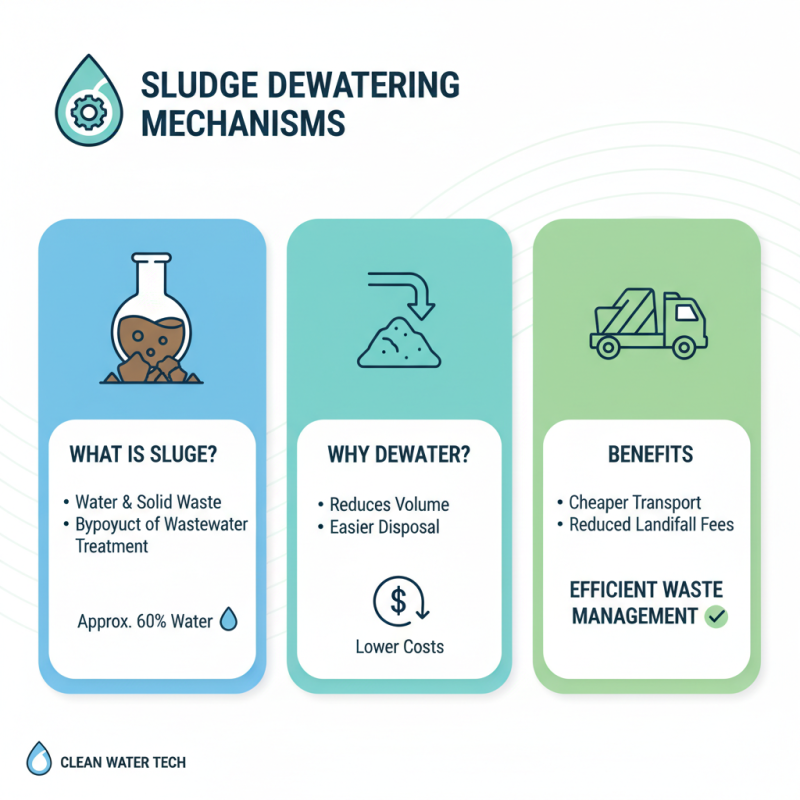
The mechanisms of sludge dewatering are essential to wastewater treatment. Sludge contains water and solid waste materials. Effective dewatering reduces the volume of sludge, making disposal easier. According to industry reports, approximately 60% of the total weight of sludge is water. This high water content leads to increased transportation costs and landfill fees.
Understanding the dewatering process can enhance efficiency. Common methods include mechanical dewatering, thickening, and drying. In mechanical dewatering, techniques like centrifugation and belt filter presses are popular. These methods can reduce the moisture content of sludge to around 20% to 30%. However, challenges persist, such as equipment wear and the need for energy-intensive processes.
Furthermore, the choice of polymer for flocculation plays a crucial role. Selecting the correct polymer can drastically improve the dewatering efficiency. A study revealed that using optimized polymer dosages could enhance the solids capture rate by 25%. It's essential to recognize that even with advanced techniques, not all sludge types respond the same way. Continuous effort is needed to refine these processes. There remains room for improvement in operational approaches.
Key Factors Influencing Dewatering Efficiency
Dewatering sludge efficiently requires understanding key factors that impact the process. The moisture content of sludge significantly affects how well it can be dewatered. For example, primary sludge generally has a higher moisture content than secondary sludge. Higher moisture means more energy and time are needed for dewatering, leading to increased operational costs.
Equipment choice plays a crucial role. Different technologies, such as centrifuges, belt presses, and filter presses, offer varying results. A 2019 industry report showed that centrifuges can reduce moisture content down to 70%, while belt presses may achieve around 80%. This difference can influence the overall efficiency of the dewatering process. Choosing the right equipment for specific sludge types enhances efficiency.
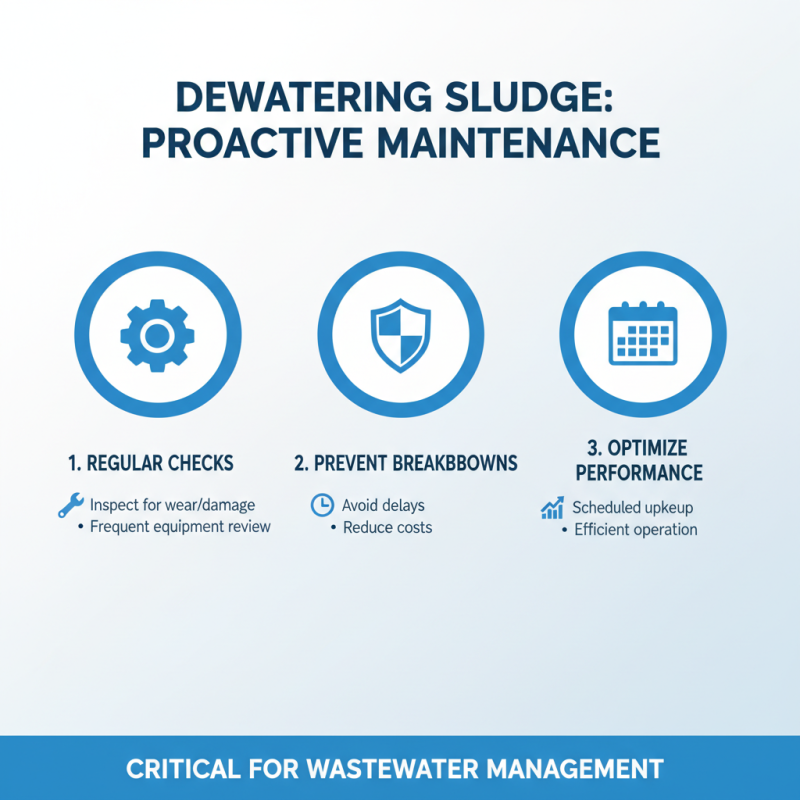
Tip: Regular maintenance of dewatering equipment ensures optimal performance. Neglecting maintenance can lead to reduced efficiency and increased downtime. Additionally, consider the impact of polymer dosage on dewatering. An improper dosage can result in high residual moisture and undesirable cake quality. Balancing cost and effectiveness in polymer use is crucial for producing a marketable product. Keep refining your approach to achieve better results.
Top Tips for Effective Sludge Dewatering Process
This chart illustrates key factors influencing dewatering efficiency, including polymer dosage, temperature, and pressure, which are essential for optimizing sludge dewatering processes.
Common Challenges and Solutions in Sludge Dewatering
Sludge dewatering is crucial in wastewater treatment. However, various challenges can arise during the process. For instance, high moisture content in sludge can hinder efficient processing. Studies show that sludge can contain up to 95% water. This excessive moisture complicates handling and disposal efforts, leading to increased costs.
Inadequate equipment selection also poses a significant challenge. If the equipment is not tailored for specific sludge characteristics, it may underperform. A report from industry experts indicates that improper equipment can lead to a 30% reduction in water removal efficiency. Operators need to clearly understand sludge properties, such as polymer consumption and dewatering rates.
Moreover, maintenance issues can disrupt operations. Regular checks are essential to avoid breakdowns and ensure optimal performance. Research indicates that unplanned downtime can increase operational costs by up to 20%. Additionally, operators must be aware of fluctuations in sludge volume and composition. These factors can change seasonally or due to upstream process variations, complicating the dewatering efforts further. Balancing these challenges requires constant adjustment and innovation.
Top Tips for Effective Sludge Dewatering Process
| Challenge |
Description |
Solution |
Tip |
| High Moisture Content |
Sludge with high water content can be challenging to dewater. |
Use chemical conditioning agents to improve dewatering efficiency. |
Experiment with different chemicals to find the best fit for your sludge type. |
| Equipment Issues |
Equipment breakdown or inefficient machines can slow down the process. |
Regular maintenance and timely upgrades to modern equipment. |
Implement a preventive maintenance schedule to avoid downtimes. |
| Inconsistent Sludge Composition |
Variations in the composition of sludge can affect dewatering performance. |
Perform regular analysis of sludge characteristics. |
Adjust the dewatering process based on sludge analysis results. |
| Environmental Regulations |
Compliance with environmental standards can complicate processes. |
Stay updated with regulations and adapt technology accordingly. |
Engage with regulatory bodies to ensure compliance and gather insights. |
| Odor Control |
Dewatering can generate unpleasant odors, impacting the facility. |
Implement odor control systems like biofilters and scrubbers. |
Regularly monitor odor levels and evaluate control measures for effectiveness. |