China Best Coordinated Social and Ecological Development?
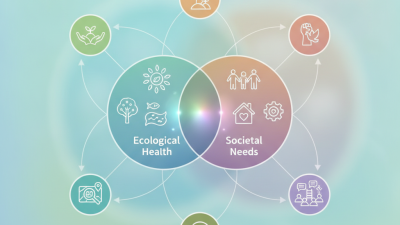
China’s search for Coordinated Social and Ecological Development is becoming a practical test of sustainable governance. The question is not only whether China can reduce emissions. It is whether cleaner air, stable employment, public health, and ecological restoration can advance together.
Jeffrey D. Sachs, a leading sustainable-development economist, has stated, “Sustainable development is the pathway to the future we want for all.” His words offer a useful standard for examining China’s progress. A credible review should connect national policies with visible conditions. These include blue skies in industrial cities, restored wetlands near river basins, safer drinking water, and reliable green jobs. It should also examine who benefits. Rural communities and migrant workers cannot remain an afterthought.
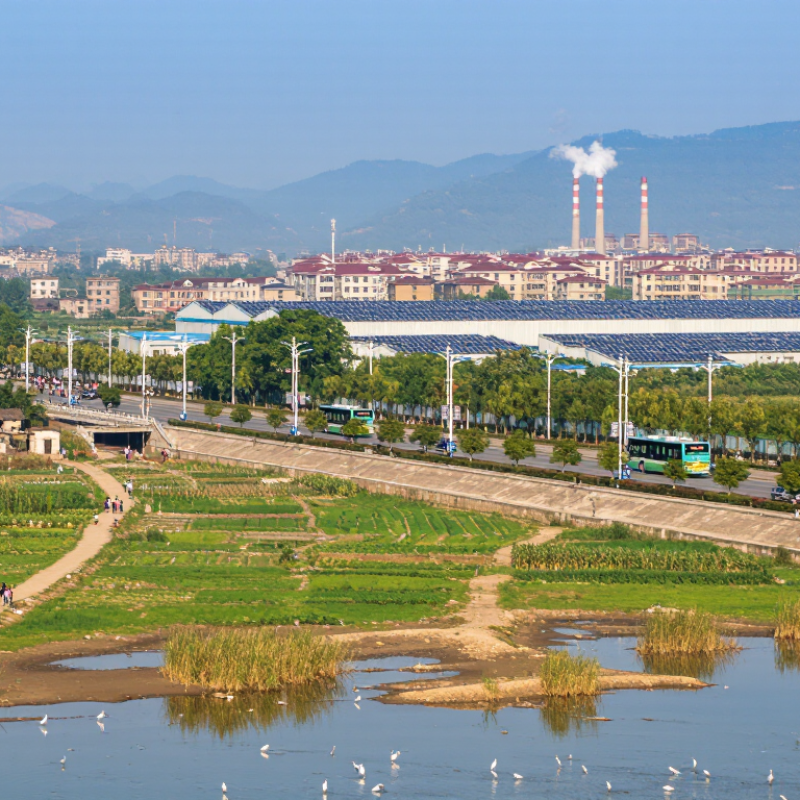
China has built strong policy capacity through ecological red lines, renewable-energy expansion, and pollution-control programs. Solar panels now cover factory roofs and unused land. Electric buses move through crowded urban streets. Yet progress is uneven. Some regions still depend heavily on coal, while local officials may value rapid growth over long-term resilience. This tension deserves honest attention. Data can show improvement, but averages may hide village-level hardship. The strongest title, “China Best Coordinated Social and Ecological Development?”, should therefore invite evidence rather than praise. It can compare achievements, costs, implementation gaps, and public participation. The answer may be encouraging, but it is not complete. Real coordination requires patient monitoring, independent evaluation, and policies that protect both ecosystems and ordinary livelihoods.
Historical Foundations of China’s Social and Ecological Development
China’s social and ecological development rests on a long historical foundation. Rural communities traditionally managed water, soil, forests, and farmland together. These practices were practical, but not always sustainable. Population pressure often weakened local ecosystems.
Since 1978, economic reform sharply changed living standards. The World Bank reports that more than 800 million people escaped extreme poverty in China. Urbanization also rose from about 19% in 1980 to 66% in 2023, according to China’s National Bureau of Statistics. Cities gained hospitals, schools, transport, and cleaner household energy. Yet rapid construction consumed farmland and increased regional resource pressure. The record is uneven.
Environmental investment has expanded with this social transformation. China’s forest coverage reached 24.02% in 2023, according to the National Forestry and Grassland Administration. The International Energy Agency reported that China supplied almost 60% of global new renewable power capacity in 2023. These figures show considerable technical capacity and public investment. They do not prove ecological balance everywhere. Water scarcity, pollution legacies, and unequal access remain difficult issues. In my view, historical coordination worked best when local knowledge met measurable public policy. It worked less well when growth targets moved faster than ecological repair. That tension still deserves honest examination.
Policy Frameworks for Coordinating Society and Ecology
China’s coordinated social and ecological development depends on practical policy frameworks, not isolated environmental targets. A strong framework connects land use, public health, employment, and ecosystem protection. In village planning meetings, residents may support wetland restoration but worry about lost farming income. Good policy must address both concerns.
Integrated planning can link ecological red lines with housing, transport, and water management. Clear responsibilities matter. Local agencies need shared data, common indicators, and regular public reporting. Useful indicators include household income, river quality, access to green space, and climate-related risks. Independent evaluations can improve reliability. Yet data may remain incomplete, especially in remote areas. That weakness deserves open discussion.
Tips: Build policies around local evidence. Invite residents early, not after decisions are made. Test projects in small areas before wider implementation. Review results every year. Protect ecological limits, but provide fair support for affected workers. Avoid treating economic growth and conservation as permanent enemies. They can reinforce each other, but only with careful design. Mistakes will happen. Learning systems matter.
Economic Transformation and Green Development Strategies
China’s economic transformation is moving from property-led expansion toward advanced manufacturing, digital services, and cleaner infrastructure. The shift is visible on factory floors, where electric equipment replaces diesel units and energy meters track every production line. China added about 297 gigawatts of renewable power capacity in 2023, according to the International Renewable Energy Agency. That figure represented more than half of global additions.
Scale matters. So does coordination.
The International Energy Agency reported that China accounted for over half of global electric car sales in 2023. However, transport electrification alone cannot guarantee green development. Electricity demand continues to rise, while coal still supports system reliability in several provinces. Grid flexibility, storage, and stronger regional power trading remain practical priorities. The transition is uneven.
Economic policy should connect employment, emissions, and resource efficiency. Retrofitting an old industrial park may deliver more immediate value than constructing a distant green showcase. A worker needs affordable training, not only a national target. A small manufacturer needs reliable clean power and transparent financing. These details often decide whether policy becomes measurable progress.
The World Bank has emphasized that China’s growth model must become more productivity-driven and less carbon-intensive. Yet implementation can be imperfect. Local governments may favor visible investment over difficult efficiency reforms. Data quality also deserves scrutiny, especially when energy savings are reported across different regions. Green development needs ambition, but it also needs uncomfortable measurement.
Community Participation and Environmental Governance
China’s Best Coordinated Social and Ecological Development?
Community participation gives environmental governance its daily operating system. Residents notice overflowing bins, smoky workshops, and blocked drainage before officials receive reports. Their observations can improve enforcement, but only when agencies respond visibly. Otherwise, participation becomes symbolic.
China’s 2023 China Ecological Environment Bulletin recorded an average PM2.5 concentration of 30 micrograms per cubic meter across 339 cities. Good-air days reached 85.5 percent.
These results show administrative capacity, yet national averages hide neighborhood differences. A community beside a construction site may experience dust despite improving citywide data.
Resident committees can organize waste-sorting schedules, supervise shared equipment, and publish simple pollution records. Public hearings should include renters, older residents, and migrant workers. The World Bank’s China Country Climate and Development Report notes that climate action requires stronger local coordination and public engagement.
That point matters in practice. People trust measurements they can inspect.
But participation is not automatically fair. Meetings may favor confident speakers. Digital reporting can exclude households with limited internet access. Some volunteers also lose motivation when complaints receive no feedback. Governance needs response deadlines, accessible data, and modest funding for local monitors. Imperfect participation still teaches institutions where policies fail. The uncomfortable lesson is simple: cleaner streets require not only better rules, but patient relationships between residents and officials.
Progress, Challenges, and Future Development Pathways
China’s coordinated social and ecological development has made visible progress. Cleaner rivers, expanded urban parks, and improved public transport show practical gains. In many communities, residents now join waste sorting and local habitat restoration. These changes connect environmental policy with daily life.
Challenges remain uneven. Some regions still depend heavily on resource-intensive industries. Rural areas may lack stable funding, technical staff, and reliable monitoring. Green projects can also raise housing costs or limit traditional livelihoods. Progress is not always fair. Field experience suggests that local data should guide decisions, rather than broad targets alone. Mistakes happen when consultation starts too late.
Tips: Set measurable local indicators. Track water quality, household income, public health, and access to green space together. Invite residents to inspect results. Publish unclear findings, not only successful figures.
Future pathways should combine ecological protection with stronger social services. Cities could reuse vacant land for wetlands, shade corridors, and community gardens. Rural development needs cleaner energy, climate-resilient farming, and better transport links. Independent evaluations can test whether policies work beyond pilot areas. Officials and researchers should also revise plans when evidence changes. This approach may be slower, but it can build deeper public trust. The difficult question is still unresolved: who benefits, and who carries the cost?