What is Best Available Technology for Environmental Protection and Sustainability
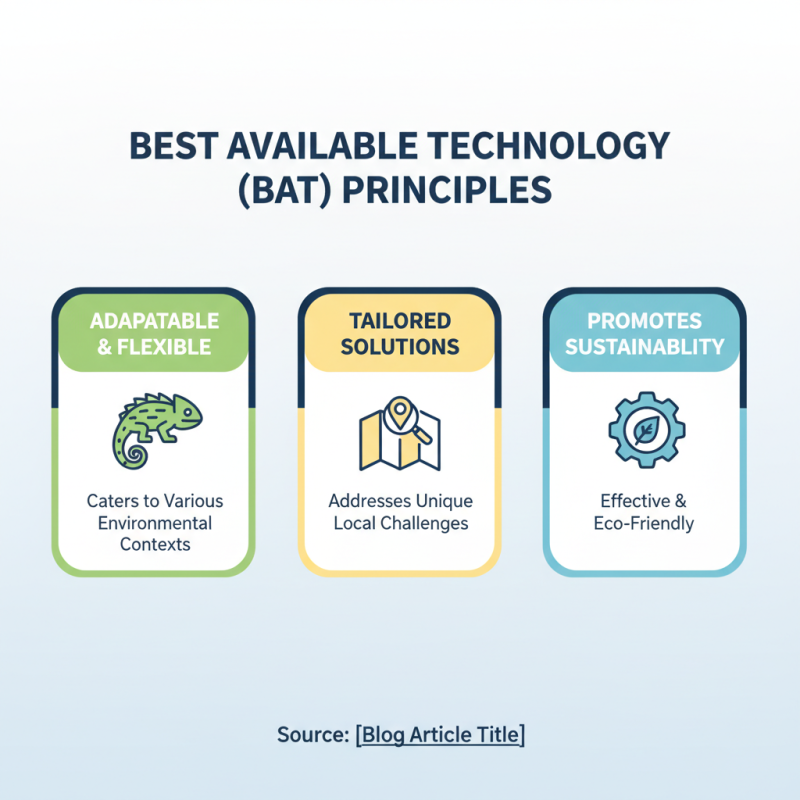
The concept of "Best Available Technology" (BAT) has emerged as a crucial component in the quest for environmental protection and sustainability. BAT refers to the most effective and advanced technologies that are economically feasible to reduce environmental impacts. These technologies aim to minimize pollution and conserve resources in various industries.
Implementing BAT is not a straightforward task. Each sector faces unique challenges, which often leads to varying interpretations of what constitutes the best technology. Some technologies may appear optimal but could falter under practical conditions. Moreover, the rapid pace of innovation can quickly render certain solutions outdated.
As we push for better environmental practices, it's vital to reflect on our choices. Are we truly adopting the most effective technologies? Or are we merely following trends? Bridging the gap between innovation and real-world application is essential for genuine progress. Only then can we claim to utilize the Best Available Technology for a sustainable future.
Defining Best Available Technology (BAT) in Environmental Context
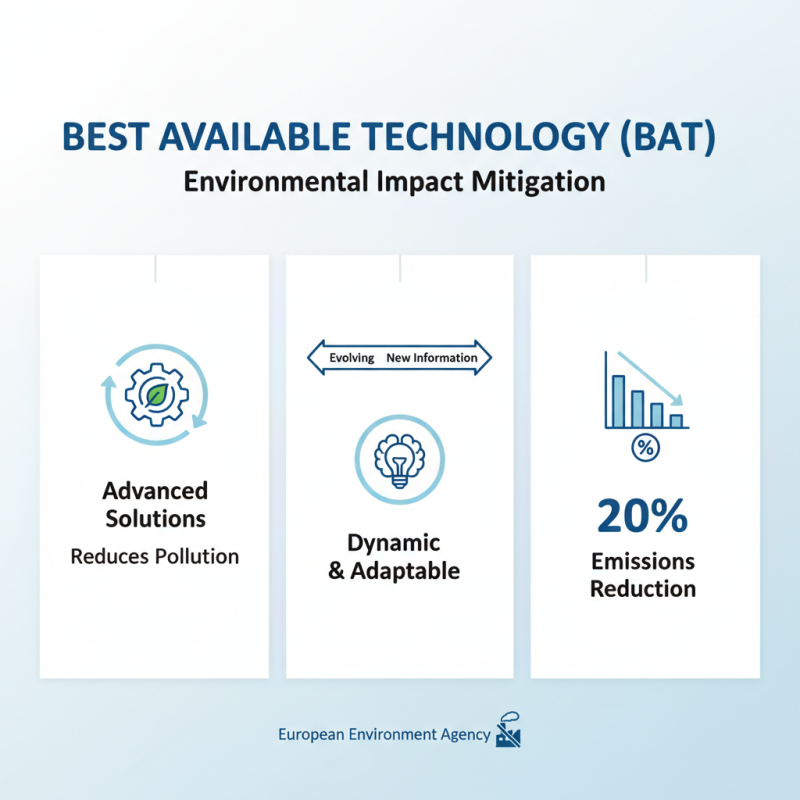
Defining Best Available Technology (BAT) in Environmental Context emphasizes its critical role. BAT represents advanced solutions that mitigate environmental impact. These technologies are not static; they evolve as new information emerges. For instance, according to the European Environment Agency, implementing BAT can reduce emissions by up to 20% in various industries.
However, identifying BAT can be challenging. Different sectors have different benchmarks. A report from the U.S. Environmental Protection Agency highlights that while some facilities achieve considerable reductions in pollutants, others lag significantly behind. This disparity could lead to uneven environmental benefits.
Data shows that tackling inefficiencies can drive progress. Research indicates that investing in BAT can yield significant returns. Over a decade, firms adopting BAT experienced a reduction in operational costs by 15%. Still, some industries resist change, citing costs or uncertainties. Therefore, continuous evaluation and adaptation of BAT are essential for genuine sustainability.
Historical Development of Best Available Technology Standards
The concept of Best Available Technology (BAT) evolved significantly over the decades. Initially, it emerged as a response to mounting environmental concerns. Policymakers demanded better methods for pollution control. Early standards focused on minimizing waste and reducing emissions. However, these measures often fell short of being truly effective.
Over time, the framework for BAT expanded. It began to include not only technological advancements but also economic feasibility. The focus shifted toward holistic approaches. Environmental effectiveness and social implications gained importance. The success of BAT standards relies on continuous improvement. Technologies once regarded as the best can quickly become outdated.
Tips: Prioritize ongoing education about current technologies. Engage with emerging research for inspiration. Sometimes, the best solutions come from unconventional ideas.
In practice, implementing BAT requires collaboration among various sectors. Innovation must be nurtured, but it’s crucial to remain critical of existing technologies. Reflection helps identify where improvements are needed. The pursuit of sustainability is ongoing and requires openness to change.
Historical Development of Best Available Technology Standards
Examples of Best Available Technologies in Various Industries
Best Available Technology (BAT) plays a crucial role in environmental protection. In agriculture, precision farming techniques utilize GPS and data analytics. Farmers can track soil quality and optimize water use. This technology reduces waste and enhances crop yield. However, not all farmers can afford to implement these advanced methods.
In manufacturing, energy-efficient machinery can minimize waste and emissions. For example, some factories use closed-loop water systems. These systems recycle water, conserving resources. Yet, the upfront investment can be a hurdle for smaller companies. We must consider how to support these businesses.
The transportation sector is also evolving. Electric vehicles (EVs) are gaining traction, reducing carbon emissions. Yet, infrastructure for charging stations remains limited. This gap prompts questions about accessibility and equity. It's vital to ensure that all communities benefit from advancements in technology.
What is Best Available Technology for Environmental Protection and Sustainability - Examples of Best Available Technologies in Various Industries
| Industry |
Best Available Technology |
Applications |
Benefits |
| Water Treatment |
Membrane Filtration |
Desalination, Wastewater Treatment |
High efficiency, reduced chemical use |
| Renewable Energy |
Solar Photovoltaic Systems |
Energy Generation |
Sustainable power source, low emissions |
| Agriculture |
Precision Farming Technology |
Soil and Crop Monitoring |
Resource optimization, reduced waste |
| Transportation |
Electric Mobility Solutions |
Public Transport, Personal Vehicles |
Lower emissions, energy efficiency |
| Construction |
Sustainable Building Materials |
Building Design and Construction |
Reduced environmental impact, durability |
Impact of BAT on Environmental Protection and Sustainability Efforts
Best Available Technology (BAT) plays a pivotal role in enhancing environmental protection and sustainability efforts. It can significantly reduce harmful emissions from industrial processes. For example, research indicates that adopting BAT can lead to a reduction of greenhouse gas emissions by up to 30%. This figure highlights how technology can mitigate climate change impacts.
However, not all implementations of BAT have been uniformly effective. A report from the Global Environmental Facility noted that the adoption rate of BAT varies widely. In some regions, less than 50% of industries comply with BAT standards. This inconsistency raises questions about the commitment to sustainability practices across different sectors. There is a need to address the barriers to adopting BAT effectively.
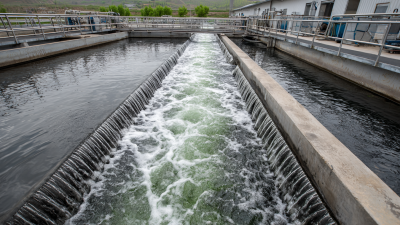
Monitoring and evaluating the actual impact of BAT on local ecosystems is crucial. Certain technologies may perform well in theory but fall short in practice. For instance, the water purification technologies, while efficient, sometimes do not achieve the expected reductions in pollutants in real-world applications. Continuous evaluation and adaptation are necessary to ensure that BAT fulfills its potential in protecting our environment.