What is Best Available Technology and How Does it Impact Environmental Standards?
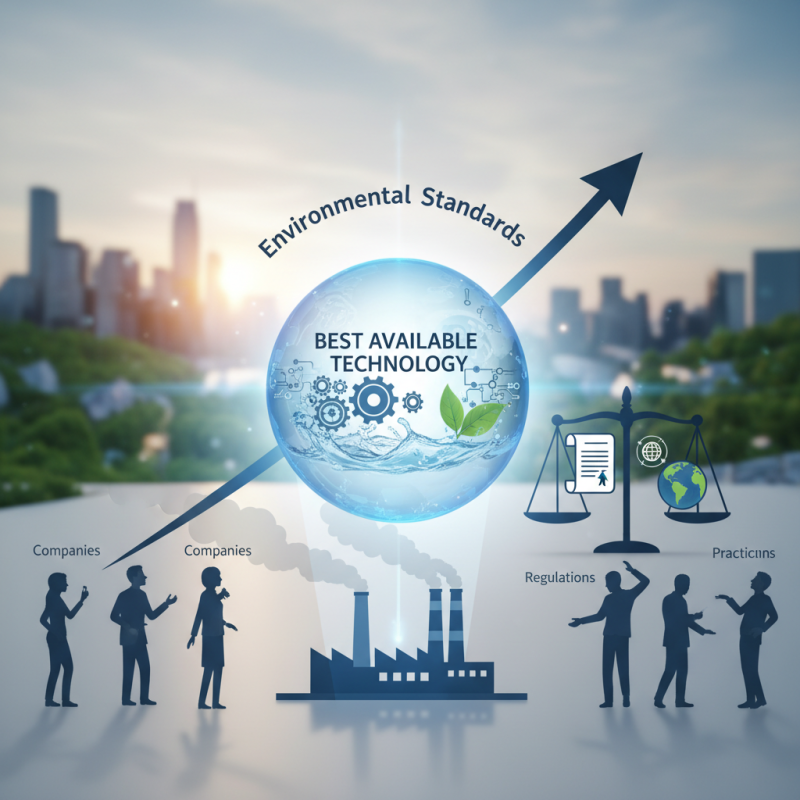
Best Available Technology (BAT) plays a crucial role in shaping environmental standards. It refers to advanced techniques and methods that reduce pollution. These technologies ensure compliance while promoting sustainable practices. Companies often struggle to implement BAT effectively. They may face challenges such as high costs or a lack of expertise.
Moreover, the gap between regulations and actual capabilities raises questions. How feasible is it for industries to adopt these technologies? Some organizations find it easier to meet minimal requirements instead of striving for excellence. This hesitation can slow overall progress in environmental protection.
As we explore the concept of Best Available Technology, it’s essential to reflect on its implications. Are regulations keeping pace with advancements? Are industries genuinely committed to adopting the best technologies? By addressing these questions, we can better understand the impact of BAT on our environment.
What is Best Available Technology (BAT) in Environmental Regulation?
Best Available Technology (BAT) plays a crucial role in environmental regulation. It represents the latest and most effective methods to prevent pollution. The concept is aimed at minimizing environmental impacts of industrial processes. By utilizing BAT, industries can reduce waste, conserve resources, and protect ecosystems.
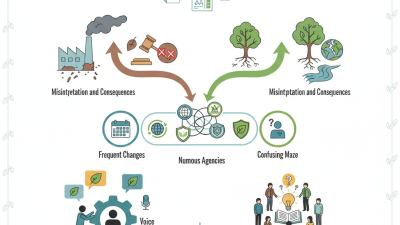
BAT is not just about using advanced technology. It requires ongoing assessment and adaptation. Different industries face unique challenges. What works for one sector may not be effective for another. This diversity often leads to inconsistencies in application. Regulators must therefore tailor BAT standards to specific situations. Misalignment can result in inadequate environmental protection.
While BAT sets high standards, it is not always attainable for every facility. Factors such as cost and access to technology matter. Smaller operations may struggle with compliance. This highlights the need for ongoing investment and support. Dialogue between regulators and industries is essential. Sharing knowledge and resources can lead to better outcomes for the environment.
Impact of Best Available Technology (BAT) on Environmental Standards
Historical Development and Evolution of BAT Standards in Industries
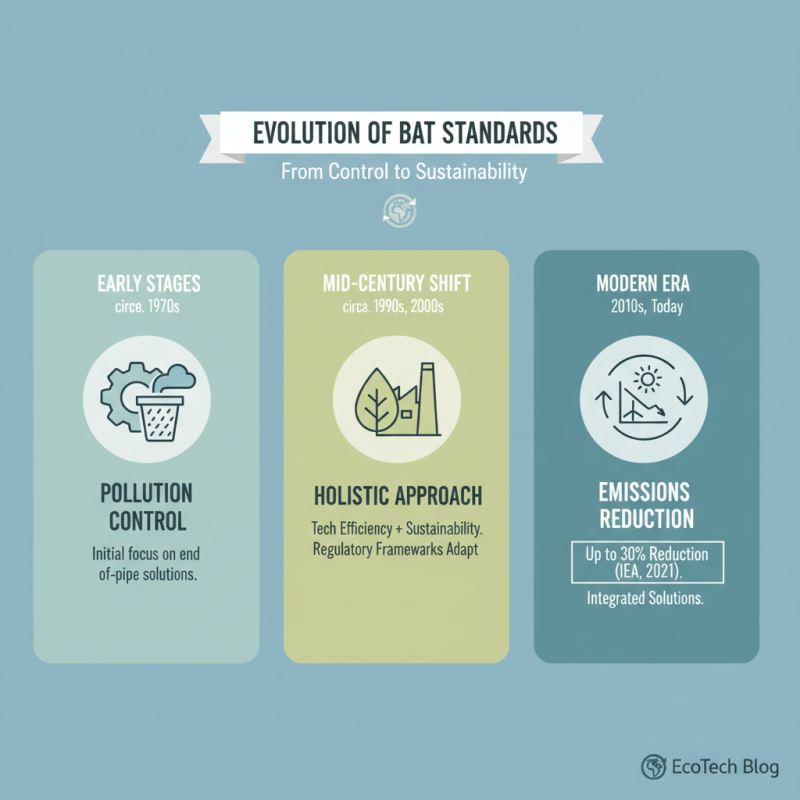
The concept of Best Available Technology (BAT) has evolved significantly since its inception. Initially focused on pollution control, BAT now encompasses holistic approaches in various industries. Over the decades, regulatory frameworks across regions have begun to consider not only technology efficiency but also environmental sustainability. For instance, a 2021 report by the International Energy Agency noted that industries adopting BAT saw emissions reductions of up to 30% compared to their older counterparts.
The historical journey of BAT standards reveals a shift from prescriptive guidelines to performance-based regulations. In the 1990s, the European Union began to implement stricter BAT requirements that emphasized continuous improvement and real-time monitoring. As a result, industries were compelled to invest in advanced technologies that optimize processes while minimizing environmental impacts. For example, according to a 2022 report from the UN Environment Programme, industries adopting modern BATs have reported a significant decrease in waste production and improved resource recovery rates.
Tips: Regularly assess your processes against emerging BAT standards. This ensures compliance and identifies potential areas for improvement. Engage with industry experts to stay updated on new developments and technologies. The landscape of environmental compliance is continuously changing, and staying informed is vital for sustainable operations.
Key Industries Utilizing BAT: Case Studies and Examples
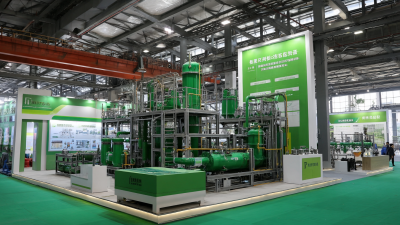
Best Available Technology (BAT) is a pivotal approach that informs environmental standards across various industries. The chemical sector is one key area where BAT is effectively implemented. By employing advanced processing techniques and waste minimization, companies can enhance their production efficiency while reducing emissions. Facilities often conduct regular audits to ensure compliance with environmental regulations. However, the adoption of BAT can be challenging. Limited financial resources may hinder smaller companies from fully embracing advanced technologies.
The energy industry also exemplifies the utilization of BAT. Renewable energy sources like wind and solar power are becoming more prevalent as companies strive for sustainability. Modern energy plants frequently incorporate cutting-edge emission control systems to minimize pollutants. This shift reflects a growing recognition of the environmental impact of traditional energy production methods. Yet, barriers such as initial investment costs may delay widespread adoption. Transitioning to BAT requires both a commitment to innovation and an understanding of the practical challenges involved in implementation.
Impact of BAT on Environmental Performance Metrics and Compliance
Best Available Technology (BAT) plays a crucial role in setting environmental performance metrics. By utilizing advanced methods and innovations, industries can minimize their ecological impact. This concept encourages organizations to adopt cleaner technologies, which in turn enhances compliance with regulatory standards. However, the implementation of BAT is not without challenges.
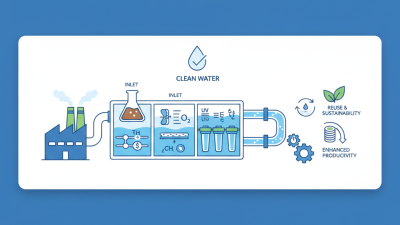
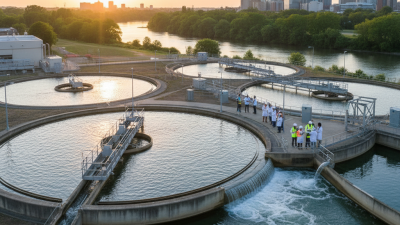
Focusing on pollution reduction, BAT can significantly improve air and water quality. It sets a benchmark for industries to follow. Nevertheless, determining the best technology can be subjective. Different regions may have varying capabilities, resources, and expertise. What works well in one area may not be feasible in another. Therefore, continuous assessment is vital.
Tips: Always engage stakeholders in discussions on BAT criteria. Their insights can identify local needs and constraints. It's essential to prioritize context-specific solutions that reflect both environmental goals and community welfare.
By encouraging collaboration, industries can better navigate the complexities of BAT implementation.
Future Trends in BAT and Its Role in Sustainable Development Goals
The concept of Best Available Technology (BAT) is crucial in shaping our approach to environmental standards. As nations strive to meet Sustainable Development Goals (SDGs), BAT plays a pivotal role. Industries increasingly rely on innovative technologies to minimize their ecological footprint. Recent initiatives show promise in reducing emissions and enhancing energy efficiency. However, challenges remain in implementation. Not all sectors embrace these technologies equally, highlighting a gap in environmental responsibility.
Future trends in BAT indicate a shift towards greener practices. Companies are exploring renewable resources and sustainable materials. This evolution requires continuous collaboration between governments, industries, and researchers. The push for stringent regulations can drive advancements, but resistance often stems from cost concerns. Many firms hesitate to invest in new solutions. It’s essential to balance economic viability with environmental obligations.
Reflecting on the effectiveness of BAT involves acknowledging the complexities of its adoption. Some regions lag due to limited access to technology. Others face regulatory hurdles hindering progress. Encouraging innovation while ensuring equitable adoption is critical. As we look ahead, the relationship between BAT and SDGs will be shaped by collective efforts and honest discourse about the barriers faced.
What is Best Available Technology and How Does it Impact Environmental Standards? - Future Trends in BAT and Its Role in Sustainable Development Goals
| Dimension |
Description |
Impact on Environmental Standards |
Future Trends |
| Emission Reduction |
Technologies focused on minimizing air pollutants. |
Facilitates compliance with stricter air quality standards. |
Integration of AI and IoT for real-time monitoring. |
| Water Treatment |
Advanced methods for purifying wastewater. |
Supports regulatory frameworks for clean water access. |
Use of nanotechnology for enhanced filtration. |
| Waste Management |
Technologies focused on recycling and waste reduction. |
Encourages circular economy practices and regulations. |
Emergence of zero-waste initiatives in industry. |
| Energy Efficiency |
Adoption of technologies that reduce energy consumption. |
Aligns with global climate goals and energy standards. |
Growth in renewable energy sources and smart grids. |
| Sustainable Materials |
Innovative use of biodegradable and recyclable materials. |
Reduction in pollution associated with traditional materials. |
Development of bioplastics and eco-friendly alternatives. |