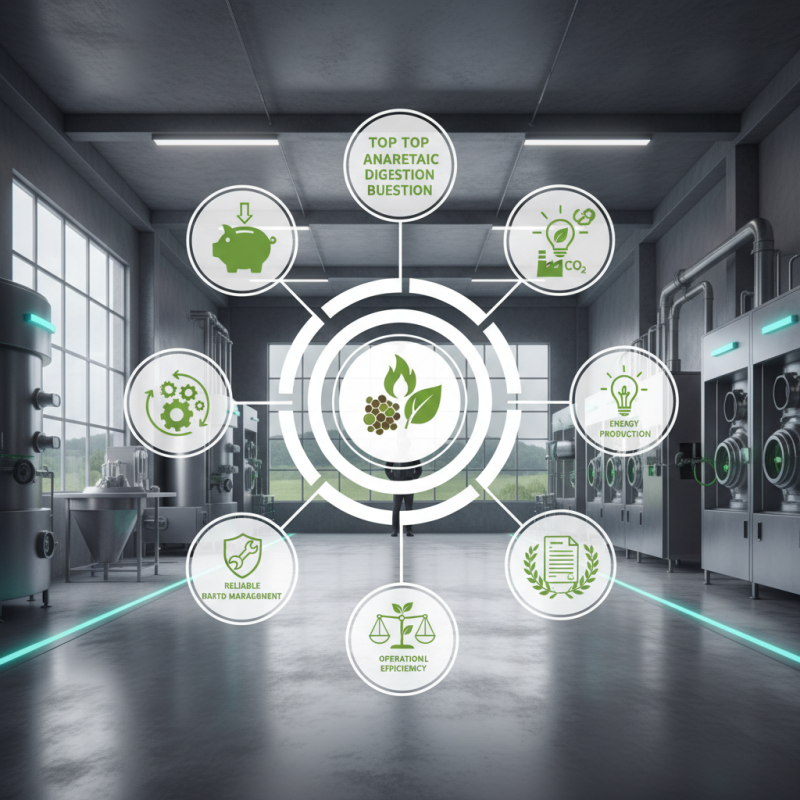
Top 10 Benefits of Anaerobic Digestion for Businesses?
Anaerobic Digestion (AD) is gaining traction among businesses for its significant environmental and economic benefits. According to a report from the U.S. Environmental Protection Agency, AD can reduce greenhouse gas emissions by up to 70% compared to landfilling. This technology converts organic waste into biogas, which can be used for energy production or heating. For companies managing large amounts of organic waste, such as food processors or farms, AD offers a reliable waste management solution.
Businesses engaging in Anaerobic Digestion often see reduced waste disposal costs. A study by the World Biogas Association indicates that companies can save between 30% to 50% on waste management expenses. Moreover, implementing AD can position businesses as sustainability leaders, enhancing brand reputation. However, it's essential to consider the initial capital investment for AD systems, which can be substantial.
As companies explore the potential of Anaerobic Digestion, they must address challenges, such as operational complexity and regulatory compliance. Successful implementation requires knowledge and expertise, often leading to unexpected hurdles. Engaging with experts in the field can mitigate risks and optimize performance, ultimately unlocking the full potential of anaerobic processes.
Benefits of Anaerobic Digestion for Waste Management Efficiency
Anaerobic digestion is an effective technology for improving waste management efficiency. It transforms organic waste into valuable biogas, which can be used for energy. This process significantly reduces the volume of waste sent to landfills. Businesses can divert food scraps, agricultural residues, and other biodegradable materials. By doing this, they not only reduce waste but also lower disposal costs.
Implementing anaerobic digestion can create challenges. The initial setup cost can be high, and some companies may lack the necessary expertise. However, once established, the process can lead to a more sustainable operation. Companies can enhance their waste management strategies and create a circular economy model. The energy generated from biogas can power facilities or be sold, creating an additional revenue stream.
Understanding the anaerobic digestion process is crucial for maximizing its benefits. Regular monitoring and maintenance are needed to ensure efficiency. Businesses must be open to adapting their practices and learning from any missteps. This willingness to evolve can ultimately lead to better waste management and a more sustainable future.
Cost Savings through Energy Generation from Anaerobic Digestion
Anaerobic digestion is an innovative process that converts organic waste into energy. This technology allows businesses to generate renewable energy while tackling waste management challenges. By harnessing this process, companies can see significant cost savings. Energy generated from anaerobic digestion can be used on-site or sold back to the grid. This not only lowers energy bills but also creates a new revenue stream.
Many businesses face rising energy costs. Anaerobic digestion offers a practical solution. For instance, a food processing plant can use its leftover materials to produce biogas. This biogas can then be converted into electricity or heat. The reliability of this energy source can reduce dependence on traditional fossil fuels. Yet, implementing this system requires careful planning and investment.
Moreover, anaerobic digestion can lead to reduced waste disposal fees. When businesses minimize waste sent to landfills, they lower their environmental impact and operational costs. However, the initial setup can be complex and costly. Companies must evaluate whether the long-term benefits justify the upfront investment. Overall, anaerobic digestion presents both financial opportunities and challenges for businesses looking to be more sustainable and energy-efficient.
Enhanced Compliance with Environmental Regulations via Anaerobic Digestion
Anaerobic digestion is becoming a key player for businesses aiming to enhance compliance with environmental regulations. This process involves breaking down organic materials without oxygen, transforming waste into valuable biogas. Companies can use this renewable energy source to power facilities, reducing reliance on fossil fuels. As they adopt this technology, organizations often find they exceed regulatory requirements for waste disposal and emissions reduction.
Many businesses face challenges in meeting stringent environmental standards. Anaerobic digestion alleviates some of this pressure. By processing organic waste, companies can lessen landfill contributions and greenhouse gas emissions. Moreover, engaging in sustainable practices can improve public perception and strengthen market position. However, businesses must remain vigilant about maintaining systems and ensuring proper operation. Inefficiencies can arise if equipment is not regularly monitored.
Compliance is crucial, yet it can feel overwhelming. Anaerobic digestion provides a path that aligns with sustainability goals. It allows companies to take control of waste management while contributing to a greener future. Balancing operational efficiencies and environmental duties requires ongoing dedication. Understanding the full scope of anaerobic digestion's benefits is essential for making informed decisions.
Top 10 Benefits of Anaerobic Digestion for Businesses - Enhanced Compliance with Environmental Regulations via Anaerobic Digestion
| Benefit |
Description |
Impact on Environmental Compliance |
| Waste Reduction |
Reduces the volume of organic waste sent to landfills. |
Helps businesses meet waste management regulations. |
| Renewable Energy Production |
Generates biogas for energy needs. |
Supports compliance with renewable energy standards. |
| Nutrient Recycling |
Produces digestate, a nutrient-rich fertilizer. |
Promotes sustainable agricultural practices. |
| Lower Carbon Footprint |
Reduces greenhouse gas emissions associated with waste. |
Helps businesses adhere to carbon reduction policies. |
| Odor Control |
Minimizes odors from waste management processes. |
Meets local air quality regulations. |
| Job Creation |
Creates jobs in the renewable energy sector. |
Supports economic development policies. |
| Increased Public Image |
Enhances reputation as a sustainable business. |
Improves community relations and stakeholder trust. |
| Regulatory Incentives |
Offers benefits for compliance with environmental regulations. |
Facilitates cost-effective compliance strategy. |
| Improved Resource Efficiency |
Optimizes use of materials and energy. |
Aligns with circular economy initiatives. |
| Long-term Cost Savings |
Reduces waste disposal and energy costs over time. |
Ensures financial sustainability by minimizing penalties. |
Creation of Valuable Byproducts: Fertilizers and Bioenergy from Waste
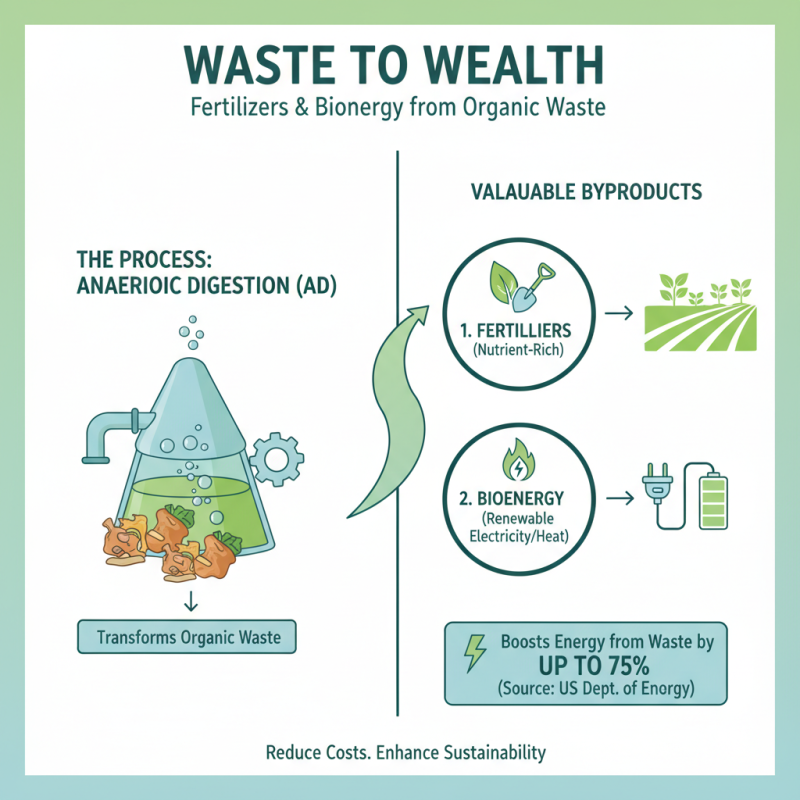
Anaerobic digestion (AD) offers significant benefits by transforming organic waste into valuable byproducts. This process produces bioenergy and fertilizers, helping businesses reduce waste management costs. According to the U.S. Department of Energy, anaerobic digestion can increase energy production from waste by up to 75%. This energy can be used in operations, enhancing sustainability.
The fertilizers generated through AD are nutrient-rich. They provide essential elements for plant growth, reducing the need for chemical fertilizers. A study from the University of California highlights that these organic fertilizers can improve soil health and enhance crop yields by 10-15%. However, businesses must consider the proper application techniques. Mismanagement can lead to nutrient runoff, which poses environmental risks.
Adopting anaerobic digestion is not without challenges. Initial investment costs may deter some businesses. The technology requires continuous monitoring for efficiency. Ensuring consistent waste input is crucial for optimal bioenergy output. Despite hurdles, the potential benefits of AD make it an attractive option for businesses seeking sustainability and cost savings in waste management.
Improvement of Corporate Sustainability and Brand Image through AD Technologies
Anaerobic digestion (AD) technologies offer immense potential for enhancing corporate sustainability and brand image. By converting organic waste into biogas, businesses can reduce landfill contributions. This not only lowers greenhouse gas emissions but also highlights a company's commitment to environmental stewardship. More consumers today prefer brands that are eco-friendly. AD can be a key part of that narrative.
Implementing AD systems shows proactive efforts toward waste management. Companies can publicly share their waste diversion rates. This transparency fosters trust among consumers. However, some businesses may struggle with the initial setup and costs of AD technologies. It’s essential to have clear communication around these challenges. Learning from initial setbacks can improve the overall approach to sustainability.
Furthermore, integrating AD can lead to innovative energy solutions. Companies can use biogas to power operations or generate electricity. This can potentially reduce energy costs. However, it requires ongoing monitoring and adjustments. Balancing the benefits of AD with its complexities can be a challenging task. Open discussions about these hurdles can lead to community support and collaboration.