Top 5 Anaerobic Digestion Innovations to Watch in 2025
As we look ahead to 2025, the field of Anaerobic Digestion is poised for transformative innovations that promise to enhance efficiency, sustainability, and energy recovery. According to the latest report from the International Energy Agency, the global market for anaerobic digestion is expected to reach $20 billion by 2025, driven by a growing demand for renewable energy sources and advancements in technology. This sector not only plays a critical role in waste management but also contributes significantly to reducing greenhouse gas emissions, making it a cornerstone of the circular economy.

Dr. Emily Johnson, a leading expert in renewable energy and anaerobic processes, emphasizes the significance of these innovations: “The future of Anaerobic Digestion is not just about managing waste; it’s about harnessing the potential of organic materials to generate clean, sustainable energy.” As we explore the top five innovations set to emerge in this field, we will delve into cutting-edge technologies and practices that can revolutionize the way we approach waste treatment and energy production. From improved microbial consortia to advanced bioreactor designs, the horizon for Anaerobic Digestion holds great promise for both environmental sustainability and economic growth.
Emerging Microbial Technologies to Enhance Anaerobic Digestion Efficiency
As we look toward 2025, the anaerobic digestion (AD) sector is on the verge of significant transformation, particularly through emerging microbial technologies. These innovations are set to boost the efficiency of biogas production, addressing the growing global demand for renewable energy. According to the International Renewable Energy Agency (IRENA), biogas could contribute up to 10% of the world’s energy supply by 2030, highlighting the urgency for enhanced AD processes.
One promising area involves the development of genetically engineered microorganisms specifically designed to optimize the breakdown of organic matter in anaerobic environments. Research from the Journal of Cleaner Production indicates that such advanced microbial consortia can increase methane yields by up to 30%, offering a practical solution to the methane yield gaps seen in traditional systems. Furthermore, integrating synthetic biology into AD processes could enable the establishment of more resilient microbial communities, which are less susceptible to fluctuations in feedstock quality, ensuring consistent energy output.
Additionally, the application of bioaugmentation strategies has shown tremendous potential in revitalizing aging AD systems. A recent study published in Waste Management reveals that introducing carefully selected microbial strains can not only restore lost efficiencies but can also reduce the retention time required for digestion, moving towards a more efficient operational framework. As these microbial technologies continue to evolve, they promise to redefine the landscape of anaerobic digestion, paving the way for accelerated adoption and greater sustainability in waste management practices.
Innovative Feedstock Pre-Treatment Methods for Improved Biogas Production
Innovative feedstock pre-treatment methods are crucial to enhancing biogas production, especially given the growing focus on lignocellulosic biomass as a renewable resource. Agricultural waste, previously viewed merely as an environmental challenge, is now appreciated for its potential as a second-generation biofuel feedstock. Reports from the 2025 International Biomass Conference & Expo indicate that advancements in preprocessing techniques, particularly combined and phased approaches, significantly improve energy indexing and reduce costs associated with bioenergy generation. This evolution paves the way for a sustainable energy future.
Recent studies highlight the effectiveness of chemical pretreatment methods, such as alkaline-based techniques, which have shown promise in boosting biomethane production from waste activated sludge. Furthermore, the launch of specialized pretreatment facilities signals an industry-wide shift towards optimizing feedstock processes for renewable diesel and sustainable aviation fuels, enabling higher yields and driving economic efficiency. With lignocellulose and other innovative feedstocks at the forefront, the biogas sector is poised for transformative growth, contributing to the global transition toward sustainable energy solutions.
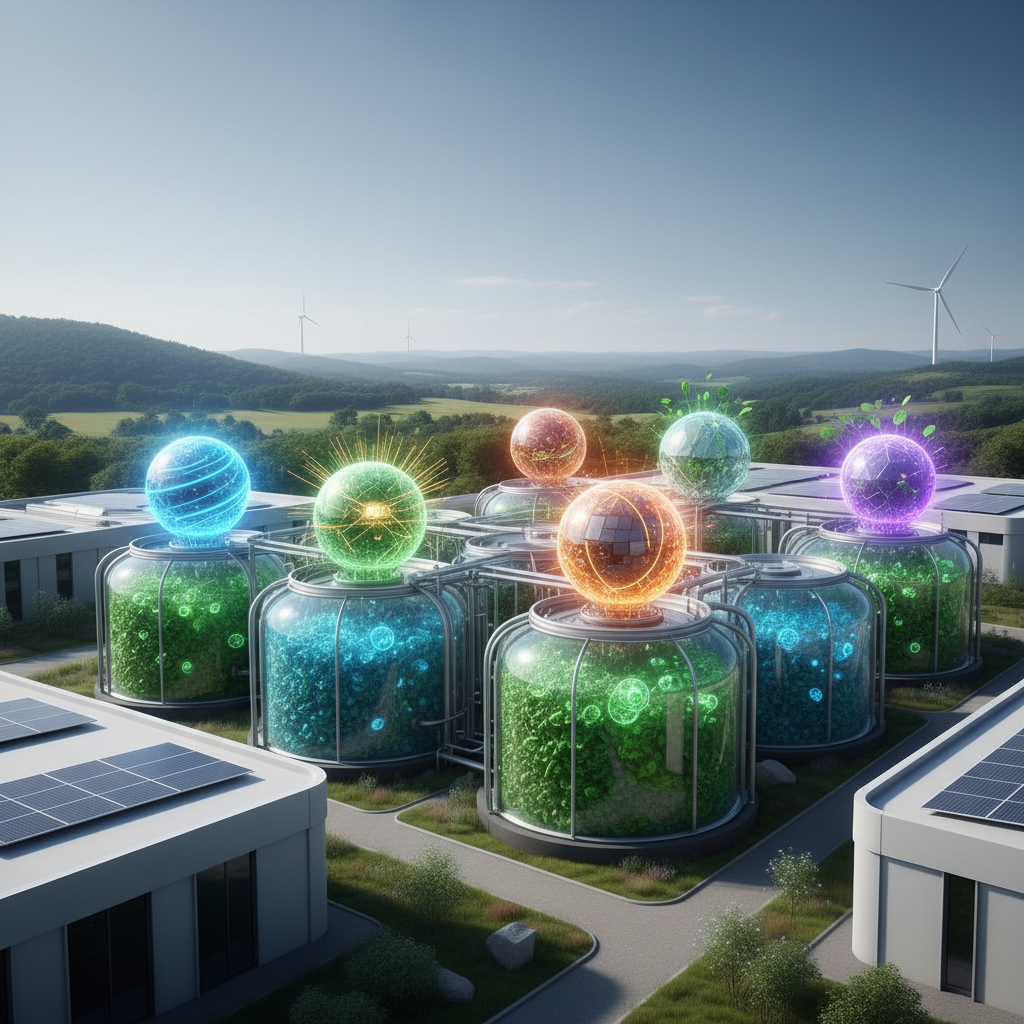
Advanced Monitoring Systems for Real-Time Anaerobic Digestion Performance
The future of anaerobic digestion (AD) technology looks promising, particularly with the advent of advanced monitoring systems that provide real-time performance data. These innovations are increasingly vital as the global demand for renewable energy rises. According to a report by Market Research Future, the anaerobic digestion market is expected to reach over $16 billion by 2025, driven by the need for efficient waste management and sustainable energy solutions. Advanced monitoring systems enhance operational efficiency by continuously analyzing variables such as temperature, pH, and gas production rates, which are crucial for optimizing digestion processes.
Real-time monitoring not only improves methane yield but also reduces operational risks. A study from the International Journal of Green Energy highlights that facilities employing sophisticated monitoring technologies have seen a 15-20% increase in biogas production compared to those without. Moreover, these systems enable predictive maintenance, significantly minimizing downtime. With the integration of IoT technologies, operators can access important performance metrics remotely, allowing for quicker adjustments and long-term sustainability of AD facilities. As we approach 2025, the impact of these advanced systems on the efficiency and reliability of anaerobic digestion will be indispensable in meeting both energy and environmental goals.
Integration of AI and Machine Learning in Anaerobic Digestion Management
The integration of artificial intelligence (AI) and machine learning
in anaerobic digestion management represents a transformative leap in optimizing biogas production and enhancing operational efficiency.
By harnessing data-driven insights, operators can monitor and analyze the complex biochemical processes involved in anaerobic digestion in real-time.
This allows for timely adjustments to feedstock composition, temperature, and other variables that directly influence the digestion process,
leading to improved gas yields and reduced downtime.
Furthermore, predictive analytics powered by machine learning algorithms can forecast potential equipment failures and system inefficiencies before they escalate into costly interruptions.
By utilizing historical data and operational metrics, these AI systems identify patterns and anomalies, enabling operators
to implement proactive maintenance strategies. As a result, anaerobic digestion facilities can achieve higher reliability and output, making them more competitive in the renewable energy landscape.
The convergence of AI technology with anaerobic digestion not only enhances performance but also drives innovation, paving the way for
sustainable waste management and energy production solutions in the coming years.
Sustainable Scalability Solutions for Anaerobic Digestion Facilities
The anaerobic digestion market is poised for significant expansion, with a projected compound annual growth rate (CAGR) of 11.20%, potentially reaching a value of USD 42.5 billion by 2034. This growth is largely driven by the increasing adoption of biomethane as a renewable energy source, which offers a sustainable alternative to fossil fuels. As facilities embrace innovative technologies, including membrane-based biogas upgrading systems, the efficiency and scalability of anaerobic digestion processes are enhanced, paving the way for more impactful waste-to-energy solutions.
Tips: When considering anaerobic digestion solutions for your facility, focus on integrating holistically sustainable practices. This could include leveraging the circular economy by prioritizing waste reduction and resource recovery. Additionally, investment in the latest technologies can significantly increase operational efficiency and contribute to the overall sustainability goals of your organization. Collaborating with innovative partners in the industry can also provide valuable insights and support in navigating the evolving market landscape.
As the demand for renewable energy sources rises, the need for effective solid waste management becomes critical. The implementation of waste-to-energy projects can convert organic waste into valuable resources, aligning with global sustainability goals. Organizations should look at such opportunities to redefine their waste management strategies, making a tangible impact on both the environment and the economy.