What is Anaerobic Digestion and How Does it Work?
Anaerobic Digestion is a critical process in waste management and renewable energy. Dr. Sarah Thompson, an expert in environmental technology, states, "Anaerobic Digestion transforms waste into valuable resources." This method breaks down organic materials without oxygen. It produces biogas, a potential energy source, and digestate, a nutrient-rich fertilizer.
Understanding Anaerobic Digestion involves recognizing its complexity. While it presents significant benefits, challenges exist. The process requires proper management of temperature and microbial communities. Not all organic waste is suitable. The effectiveness varies, and not every implementation is successful.
Exploring Anaerobic Digestion opens a pathway to sustainable practices. Many facilities succeed, but some struggle due to environmental conditions. Continuous research and innovation are necessary. The journey to optimize Anaerobic Digestion is ongoing. It's crucial to address its imperfections for future advancements.

What is Anaerobic Digestion? An Overview of the Process
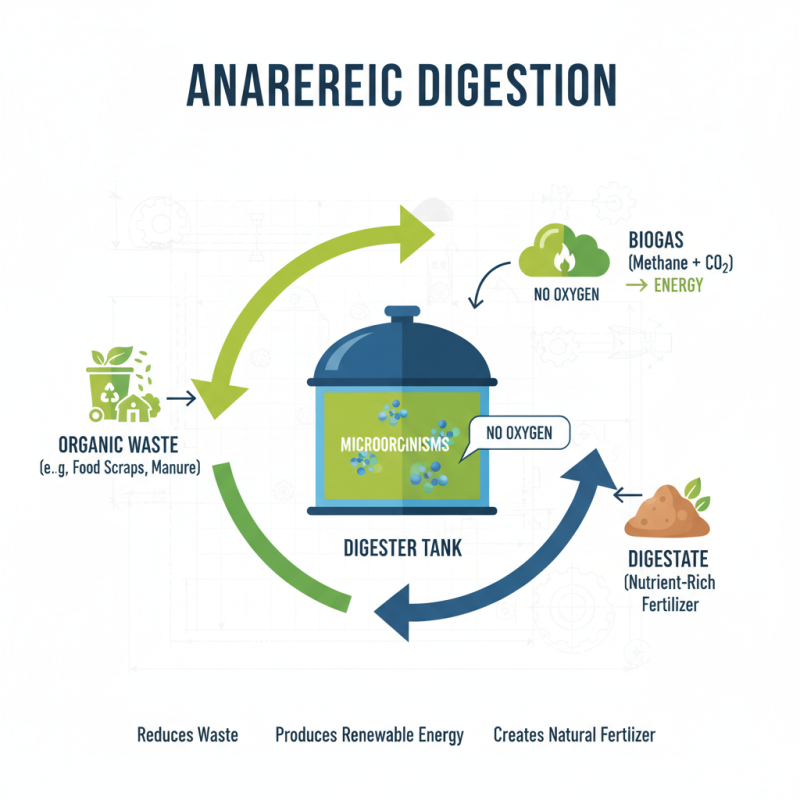
Anaerobic digestion is a natural process. It breaks down organic matter without oxygen. This process happens in specially designed digesters. Microorganisms play a crucial role. They convert waste into biogas and digestate. Biogas is a mixture, primarily methane and carbon dioxide. Digestate is nutrient-rich material that can be used as fertilizer.
Many materials can be digested. Food scraps, agricultural waste, and sewage are good examples. The process requires careful monitoring. Temperature, pH, and moisture need to be balanced. If conditions are not ideal, digestion can slow down. This may lead to less biogas production.
Some challenge remains in managing the inputs. Not all waste is suitable for anaerobic digestion. Non-organic materials can disrupt the process. It's essential to sort waste properly. This requires effort and commitment. Yet, the benefits are significant. Anaerobic digestion reduces waste and provides renewable energy. It's a step towards sustainability, but we must be aware of the complexities involved.
Key Components of Anaerobic Digestion Systems and Their Functions
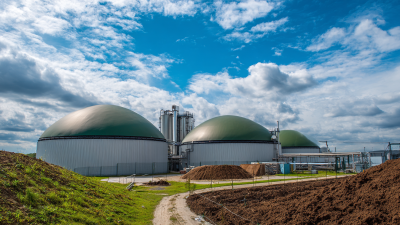
Anaerobic digestion systems rely on several key components to break down organic materials. The digester is the heart of this process. It creates an oxygen-free environment essential for microorganisms that decompose waste. This chamber is often designed to maintain optimal temperatures. The conditions inside should be monitored closely.
Another vital part is the feed system. This system introduces organic waste into the digester. It must be efficient and effective to ensure a continuous supply of materials. Additionally, the biogas collection system captures the methane produced during digestion. This gas can be utilized for energy, but inefficiencies can occur if the collection isn't performed properly.
Finally, the effluent handling system plays a significant role. After digestion, the remaining material needs proper management. It can be used as fertilizer, but not all digestate is high quality. The balance between productivity and sustainability is often challenging. Continuous monitoring and adaptation are essential for optimizing these systems.
Stages of Anaerobic Digestion: Hydrolysis, Acidogenesis, and Methanogenesis
Anaerobic digestion is a multi-stage process that transforms organic matter into biogas and digestate. Understanding the stages can clarify its efficiency.
Hydrolysis marks the first step. Here, complex organic materials break down into simpler sugars, fatty acids, and amino acids. This stage can be slow. About 75% of organic materials require lengthy hydrolysis. If the materials are not pre-treated, this delay may lower overall efficiency.
Next is acidogenesis. During this stage, the simple compounds convert into volatile fatty acids and hydrogen. Microorganisms thrive in this anaerobic environment, but if conditions are not optimal, the process can stall. Reports suggest that about 45% of biogas production occurs here.
Lastly, methanogenesis occurs, where methanogenic bacteria convert acids into methane and carbon dioxide. This stage is key for energy yield. Research indicates that a well-balanced anaerobic digester can achieve over 60% methane production efficiency. Yet, fluctuations in pH and temperature can disrupt this balance. Thus, every detail in managing the environment is crucial for success.
Benefits of Anaerobic Digestion: Environmental Impact and Energy Production
Anaerobic digestion is a fascinating biological process. It converts organic waste into biogas in the absence of oxygen. This process not only reduces waste but also generates energy. The benefits are significant and manifold.
Environmental impact is a key consideration. By diverting waste from landfills, anaerobic digestion lowers greenhouse gas emissions. The organic matter decomposes naturally, minimizing pollution. Moreover, the digestate can be used as a nutrient-rich fertilizer. This closes the loop in waste management, promoting sustainability.
Energy production is another major advantage. The biogas created can be used for heating, electricity generation, or as vehicle fuel. While the technology is promising, challenges remain. Not every community has access to this system. The initial investment can be high. Public awareness and infrastructure need improvement. These are areas for growth and reflection.
What is Anaerobic Digestion and How Does it Work?
| Aspect |
Details |
| Definition |
Anaerobic digestion is a biological process in which microorganisms break down organic material in the absence of oxygen. |
| Key Stages |
1. Hydrolysis 2. Acidogenesis 3. Acetogenesis 4. Methanogenesis |
| Organic Materials |
Food waste, agricultural residues, manure, and wastewater sludge. |
| Benefits |
1. Renewable energy production 2. Reduces greenhouse gas emissions 3. Waste reduction 4. Nutrient recycling |
| Environmental Impact |
Minimizes landfill use and methane emissions, contributing to environmental sustainability. |
| Energy Production |
Produces biogas that can be converted into electricity, heat, or vehicle fuel. |
Current Industry Trends: Adoption Rates and Technological Innovations in Anaerobic Digestion
Anaerobic digestion is gaining momentum in today’s environmental landscape. The industry is witnessing increased adoption rates, driven by a need for sustainable waste management. More companies are recognizing the benefits of converting organic waste into biogas. This shift is not just about waste reduction; it’s about creating renewable energy. Many facilities are upgrading their technology to enhance efficiency.
New innovations are emerging. Advanced monitoring systems help optimize the digestion process. This technology increases biogas yield, making operations more profitable. Low-cost sensors and automation are becoming common. They provide real-time data, allowing operators to make informed decisions. However, some facilities struggle with the initial investment. Not every operator is ready for these changes yet.
Tip: Consider gradual upgrades to existing systems. This approach minimizes risks while improving outputs. Collaborate with peers to share insights and challenges. Building a community can enhance learning and speed up adoption. In this way, the industry can make more sustainable strides together.